What does “STEM” mean for #preschoolers?
For preschoolers, STEM is not worksheets or long lessons. It’s learning through #play and curiosity. A “STEM moment” happens when a child:
- asks a question (“Why did it sink?”)
- makes a guess (“I think it will roll faster!”)
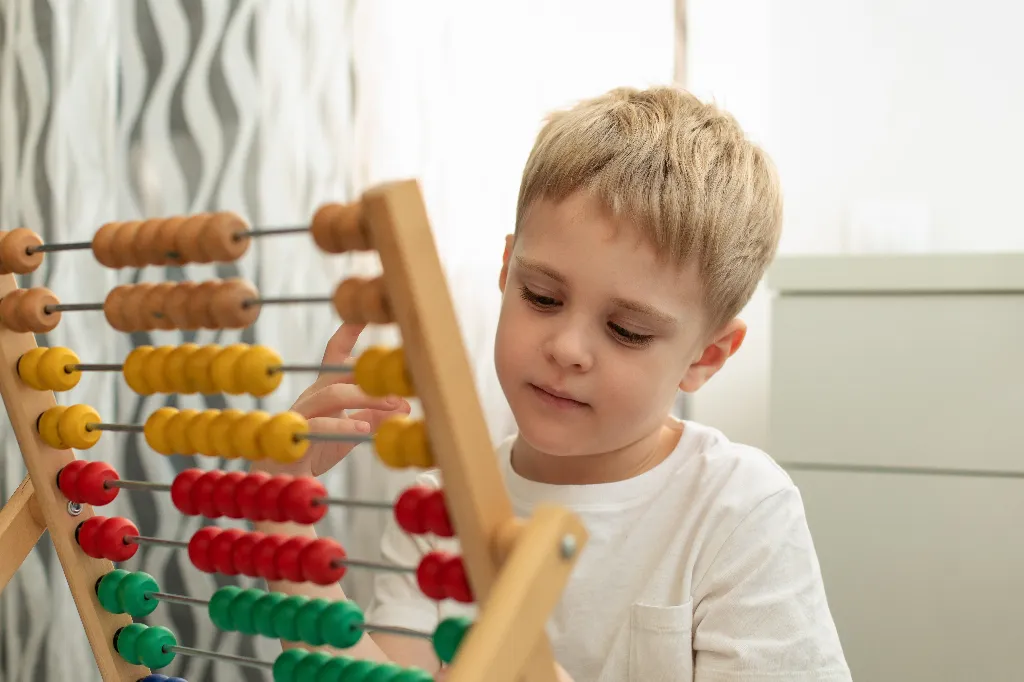
- tries something (tests the idea)
- talks about what happened (shares results)
That’s real #STEM learning—just in a preschool-sized way.
What makes a preschool STEM experiment “just right”?
A good experiment for ages 3–5 should be:
- Safe (no small choking hazards, no strong chemicals)
- Short (5–15 minutes is plenty)
- Simple (few materials, easy steps)
- Repeatable (kids can try again and change one thing)
Also: it’s okay if it gets messy! Mess often means learning. #preschool #science
How do you keep STEM activities #safe (and still fun)?
Before you start, set a few clear rules:
- “Materials stay on the table.”
- “We don’t taste experiment items.”
- “Grown-ups pour anything that could splash.”
- “We wash hands when we’re done.”
If you want a quick refresher on staying present and preventing accidents during hands-on activities, this ChildCareEd article is a helpful read: Active Supervision: The Only Way to Care for Children
Which simple STEM experiments work best for preschoolers?
Below are easy, low-prep experiments you can do with common #classroom (or #home) materials.
1) What happens when we mix colors with water?
Materials: clear cups, water, food coloring, droppers/spoons, paper towels
Steps:
- Fill 3 cups with water (one for each primary color).
- Add a few drops of color.
- Let children transfer water to empty cups and “make new colors.”
- Try a “walking water” version: place paper towels between cups to watch color travel.
What kids learn: cause-and-effect, observing changes, #early #math (“how many drops?”)
2) Will it sink or float?
Materials: tub of water, small objects (spoon, cork, plastic toy, rock, leaf)
Steps:
- Show one object at a time.
- Ask: “Sink or float?”
- Drop it in and watch.
- Sort objects into two groups.
What kids learn: predicting, testing, sorting (a key math skill)
3) Can we build a ramp that goes faster?
Materials: cardboard, blocks/ #books, toy cars/balls, masking tape
Steps:
- Make a ramp (cardboard on books).
- Roll a car down.
- Ask: “What if we make it higher?” “What if we change the ramp surface?”
- Test changes one at a time.
What kids learn: engineering thinking, comparing, problem-solving
4) How can we make a bubble last longer?
Materials: dish soap, water, a little sugar or corn syrup (adult handles), straws/wands
Steps:
To extend this activity into a simple sustainability conversation, choose reusable bubble wands instead of disposable straws and discuss reducing plastic waste; National Skip the Straw Day offers a timely way to explore the topic.
- Mix a bubble solution (adult mixes).
- Blow bubbles and observe.
- Try bubbles on different surfaces (table, tray, paper towel).
- Ask: “Where do bubbles pop fastest?”
What kids learn: careful observation, experimenting with conditions
5) How many water drops fit in a circle?
This one is great because it’s both science + math in one activity.
Use this #free printable from ChildCareEd: Water Drop STEM Activity Buy Now $0.00
Materials: the printable, sheet protector, eyedropper, cup of water
Steps:
- Put the sheet in a protector (so you can reuse it).
- Children guess how many drops will fill each circle.
- They count drops and compare results.
What kids learn: counting, predicting, fine-motor control, early “data” thinking (#activity)
6) Can we grow salt crystals?
Materials: warm water (adult), salt, cup, string, pencil
Steps:
- Adults dissolve lots of salt in warm water (stir until it won’t dissolve easily).
- Tie a string to a pencil and hang it into the cup (not touching the bottom).
- Wait 1–3 days and observe.
What kids learn: patience, noticing changes over time, “solid vs. liquid” ideas
What should you say during STEM (so kids think more)?
Try simple question-starters: 
- “What do you notice?”
- “What do you think will happen next?”
- “What could we try differently?”
- “Why do you think that happened?”
Tip: Preschoolers don’t need the “right answer.” They need practice thinking and explaining.
How can you extend STEM learning with books and play?
After an experiment, keep the learning going with:
- A drawing journal: “Draw what you saw.”
- A building challenge: “Make a bridge for a toy.”
- A story connection: read a book about water, #weather, or animals and repeat the experiment with a new theme.
Which ChildCareEd trainings can help you plan better STEM activities?
If you want more ideas (and more confidence), these ChildCareEd courses connect well with preschool STEM:
- Building Early Science Foundations
 Buy Now $16.00: Buy Now $16.00
 - Math Foundations in Early Childhood:
- Enhancing STEM Education for Infants and Toddlers Buy Now $16.00: Buy Now $16.00
Even if you teach preschool, these trainings can give you practical ways to support curiosity, exploration, and early problem-solving.
Where can you get more ideas and follow ChildCareEd?
Want more activity ideas you can save and share with your team? Follow ChildCareEd on social and grab updates here: https://linktr.ee/childcareed
- CDA Preschool Credential
- CDA Preschool Credential with Portfolio Review
- CDA Infants/Toddlers: Lesson Planning Made Easy
- Birth to Five CDA Credential with Portfolio Review
- CDA Bridge Bundle: Preschool
- CDA Bridge Bundle: Family Child Care
- CDA Bridge Bundle: Family Child Care without Portfolio Review
- CDA Bridge Bundle: Infant/Toddler without Portfolio Review
- CDA Bridge Bundle: Preschool without Portfolio Review
- Enhancing STEM Education for Infants and Toddlers
- Pumpkins, Pinecones, and Leaves: Autumn-themed STEM Projects
- Actividades de Otoño Fáciles para Preescolares esta Temporada
- Easy Ways to Add STEM to Your Preschool Classroom
- How can I use STEM activities in my Preschool and Pre-K classroom?
- How Do Art Activities Support Cognitive Growth in North Dakota Preschoolers?
- What are easy STEM activities I can do with preschoolers?
- Pumpkin, Leaves, and Apples: Fall Activities for Preschoolers
- Calabazas, hojas y manzanas: actividades de otoño para preescolares
- How can child care providers use simple STEM activities with early learners?
- Celebrate Ice Cream Day with Fun Activities for Children
- Daycare Activity Ideas for Infants, Toddlers, and Preschoolers
- How Can Child Care Providers Encourage Preschoolers’ Growing Curiosity?
- How can seasonal activities (spring, summer, fall, winter) combine fun with clear educational goals?
- How can pumpkin science create meaningful, hands-on fall learning for preschool classrooms?
- How can leaf-themed art and science activities deepen learning in my child care program?
- How can we teach preschoolers to ask better questions and make predictions?
- How can I introduce STEM concepts in early childhood?
- How can simple science experiments transform my preschool classroom?
- How can preschool teachers explore weather in meaningful, safe, and playful ways?
- STEM for Preschoolers: What to Do When the Experiment Doesn’t Work
