How do I create a calm, organized Montessori environment at home?
- Neutral colors: Choose soft, neutral tones for walls and furniture to create a calm atmosphere. Avoid overly stimulating or bright colors, as they can overwhelm young children.
- Natural materials: Use wooden furniture, baskets, and open shelving. Natural materials like wood, cotton, linen, and wool are emphasized in Montessori environments to promote a connection with the natural world.
- Clear, uncluttered spaces: Ensure there’s enough space for children to move around freely. Keep the room organized with everything in its place, and avoid excess toys or clutter.
How should furniture and shelving be arranged to support independence?
- Child-sized furniture: Furniture should be appropriately sized for children. This includes low shelves, small tables, chairs, and mirrors that are reachable and accessible.
- Low, open shelving: Arrange toys, books, and materials on low shelves so that children can independently choose and return items. Use clear containers or open baskets for easy visibility.
- Floor space: Have a designated area on the floor with a soft rug or mat for activities like puzzles, building, or play. Allow children to explore and engage in activities comfortably on the floor.
What purposeful materials encourage development and exploration?
- Simple, open-ended toys: Choose toys Buy Now $25.00 that allow for open-ended play, such as wooden blocks, stacking toys, puzzles, and art supplies. These materials promote problem-solving and creativity.
- Practical life activities: Set up shelves with materials for real-life tasks, such as pouring, sweeping, folding, and buttoning. These activities build fine motor skills and a sense of responsibility.
- Sensory materials: Include sensory materials like textured fabrics, sandpaper letters, or Montessori sensorial materials (such as the pink tower or color tablets) that engage the child's senses and support learning.
How do I organize distinct learning areas within a single playroom?
Create designated areas for different types of activities:
- Practical life area: Set up a space for real-life activities like pouring, sorting, or cleaning. Items such as small pitchers, wooden trays, and cleaning cloths can be included.
- Sensorial area: Include materials that stimulate the senses (e.g., different textures, smells, and sounds). This could include things like texture boards, color matching activities, or sorting objects by size or weight.
- Art and creativity area: Have a space for drawing, painting, and crafting, Buy Now $25.00 with materials like crayons, watercolors, construction paper, and other creative tools.
- Reading nook: Include a comfortable reading corner with soft cushions or pillows, low shelves filled with age-appropriate books, and good lighting. Make sure books are within easy reach and organized by subject or theme.
- Nature and science area: If space allows, provide a space for exploring nature, such as a small indoor garden, plant care, or nature objects like rocks, shells, or leaves for examination.
How can I limit overstimulation while keeping the environment en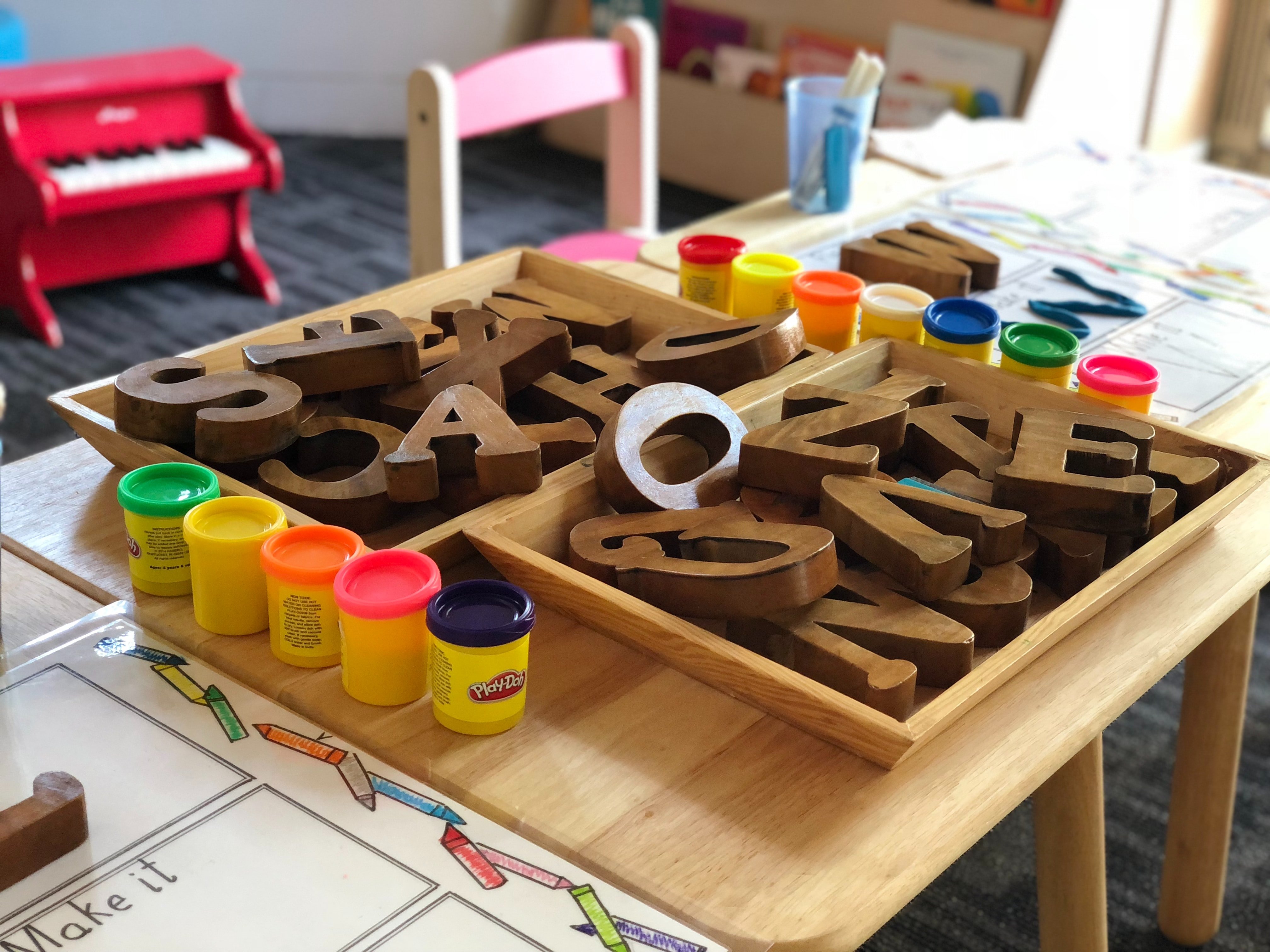 gaging?
- Rotate toys and materials: To keep the environment fresh and prevent overstimulation, rotate toys and materials regularly. Keep only a few items out at a time and store others out of sight to avoid overwhelming the child. For practical safety and mixed-age arrangement tips, consult guidance on baby- and toddler-safe Montessori playrooms (mixed-age safety guidance).
- Offer a few choices: Too many choices can make it difficult for young children to focus. Offer a small selection of materials at a time to encourage concentration and engagement.
How do I include movement and gross motor opportunities safely?
- Space for large motor play: Make sure there's an area for physical activities like dancing, jumping, or climbing. This could include soft mats, small climbing structures, or tunnels.
- Encourage outdoor play: If possible, provide easy access to an outdoor area with space for running, riding tricycles, or gardening. Outdoor time is a key part of the Montessori philosophy.
How can the space support social interaction and cooperative play?
- Create a collaborative space: Although Montessori Buy Now $25.00 emphasizes independence, it also values social interaction. Provide spaces where children can work together, such as a table for group activities, cooperative puzzles, or a shared art station.
- Work on social skills: Include opportunities for role-playing, such as kitchen sets, dolls, or dress-up clothes that allow children to act out real-world scenarios and practice social skills.
What routines and visual cues help children care for materials and transition?
- Predictable schedule: Create a consistent routine Buy Now $25.00 that children can follow, helping them feel secure and independent. This might include specific times for work, play, meals, and quiet time.
- Clear expectations: Make sure children understand how to care for the materials and clean up after activities. Simple visual cues or labels can help them put items back in their proper places.
How do natural light and ventilation affect the prepared environment?
- Maximize natural light: Set up the playroom near windows to allow natural light to flood the space. This helps create a positive and welcoming environment.
- Ventilation: Ensure that the room is well-ventilated to promote good air quality, and if possible, include plants that can purify the air and bring nature indoors.
How do Montessori principles inform the room’s design and adult role?
By carefully planning and arranging the Montessori playroom, you’ll create a space where children can independently explore, learn, and grow in an environment that supports their natural curiosity and development.
Further reading on applied Montessori topics: The Montessori Classroom: Fostering Independence and a Love for Learning; Montessori Magic at Home: Tips for Every Age; How to Set Up a Montessori Shelf at Home; Unlocking the Power of Practical Life; Montessori Theory in Practice; Montessori for Toddlers.
 Buy Now $16.00 so that materials, furnishings, and daily routines consistently elicit concentrated, purposeful work and extended attention. For pragmatic setup strategies and age-differentiated adaptations, consult guidance on preparing home spaces. #Montessori #independence #preparedenvironment #practicallife #sensory