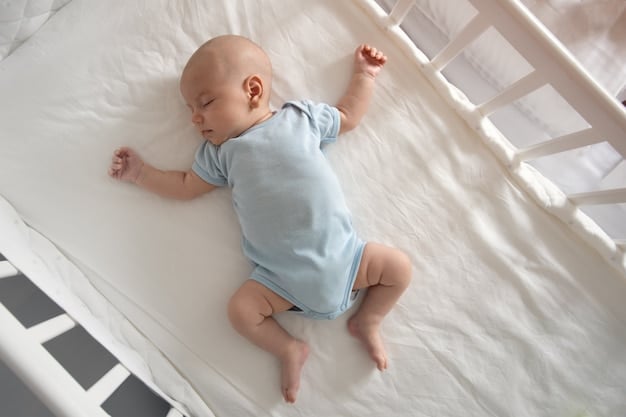
 Safe sleep training teaches child care professionals how to set up a safe sleep space and follow the safest routines during naps 😴. In North Dakota, safe sleep is not just “a good idea”—it is required training for staff who care for infants.
What is safe sleep training? 🌙
Safe sleep training helps you learn how to lower the risk of sleep-related infant deaths, like SIDS (Sudden Infant Death Syndrome) and suffocation. It focuses on the baby’s sleep space and how adults place and watch infants during naps.
In child care, safe sleep training matters because:
-
Babies nap often 💤
-
Different adults may put the baby down
-
A small mistake (like a blanket in the crib) can be dangerous
Why is safe sleep training required in North Dakota child care?
North Dakota requires one hour of department-approved safe sleep training for any staff member caring for infants:
-
Before they provide care to infants
-
Every year after that (annually)
This requirement helps make sure every caregiver knows the same safe steps—so babies get consistent care, even when staff changes or someone is new.
Safe sleep rules protect infants during one of the most important parts of the day: nap time.
What are the most important safe sleep rules to follow every nap? ⭐
A simple way to remember safe sleep is the ABCs:
-
A = Alone
Babies should sleep alone in their own safe sleep space. No pillows, stuffed animals, blankets, or toys. -
B = Back
Put babies on their back to sleep every time. -
C = Crib
Use a crib, bassinet, or play yard with a firm, flat mattress and a fitted sheet.
Also helpful:
-
Keep the sleep area clear (no extra items)
-
Dress the baby in light sleep clothing (overheating is a risk)
-
Follow your program’s safe sleep policy every time
What should you look out for during nap time in child care? 👀
In child care, nap time can be busy. Babies may fall asleep in different places, or caregivers may feel rushed. These are common things to watch for:
Unsafe items in the sleep space
-
Blankets, pillows, stuffed animals, bumpers
-
Loose bibs or necklaces
-
Anything that could cover the baby’s face
Sleeping in sitting devices
-
Car seats, swings, bouncers, or strollers are not meant for regular sleep.
-
If a baby falls asleep there, the safest plan is usually to move them to a firm, flat sleep space as soon as possible.
Overheating
-
Too many layers, heavy sleep sacks, or a hot room can be risky.
-
A good rule: dress baby like you would dress yourself—maybe one extra light layer.
Position changes
-
Babies grow fast. A baby who could not roll last month may roll now.
-
Keep the sleep space clear so rolling does not become dangerous.
How can you set up a safe sleep space in your infant room?
Use a simple “crib checklist” every day. This helps every staff member do sleep the same safe way.
Safe crib checklist
-
Firm, flat mattress
-
Tight fitted sheet only
-
No toys, blankets, pillows, or extra items
-
Baby placed on back
-
Crib meets your program’s safety rules (and is in good condition)
Room routines that help
-
Make safe sleep the same for every staff member
-
Post a simple safe sleep reminder near the crib area
-
Use a nap-time check schedule that fits your policy (and document when needed)
When safe sleep is part of the routine, it becomes easier to do it right every time.
What should you do if a baby falls asleep somewhere else? 💤
This happens a lot—especially during feeding, rocking, or car drop-off.
Try this safe plan:
-
Check the baby’s breathing and position right away.
-
Move baby to a firm, flat sleep space (crib/bassinet/play yard) when possible.
-
Place baby on their back.
-
Remove extra items (blankets, toys, bibs).
If you are ever unsure, follow your program policy and ask your supervisor. It is always okay to double-check.
How can you talk to families about safe sleep (without sounding scary)?
Families may do things differently at home. Your goal is to be respectful and clear.
Try simple, supportive language like:
-
“In our program, we follow safe sleep steps for every nap.”
-
“We place babies on their backs and keep cribs clear.”
-
“If you have a sleep routine at home, tell us—so we can support your baby in a safe way.”
This ChildCareEd handout is a great tool to share with staff and families:
https://www.childcareed.com/r-00760-safe-sleep-for-babies.html Buy Now $0.00
How do you track safe sleep training in North Dakota?
North Dakota uses the Early Childhood Workforce Registry (often connected with Growing Futures) to support professional development and training records.
If you want a simple overview of how Growing Futures connects to training and career growth, this ChildCareEd article is helpful:
https://www.childcareed.com/a/growing-futures-north-dakota.html
Where can you get more tips and reminders? ⭐
For quick safety tips, training updates, and helpful resources, follow ChildCareEd on Facebook and turn on notifications:
https://www.facebook.com/childcareed/
Safe sleep training protects babies—during the quiet moments that matter most 😴. When every staff member follows the same steps, infants get safe, consistent care every day.
