What is online child care training?
Online child care training is learning you do on the internet. You may watch short lessons, read simple slides, take quizzes, and earn a certificate.
Many providers choose online learning because it can be:
- Self-paced (you learn on your own time)
- Easy to replay (you can review hard parts)
- Available from anywhere with internet
Why does online child care training matter? 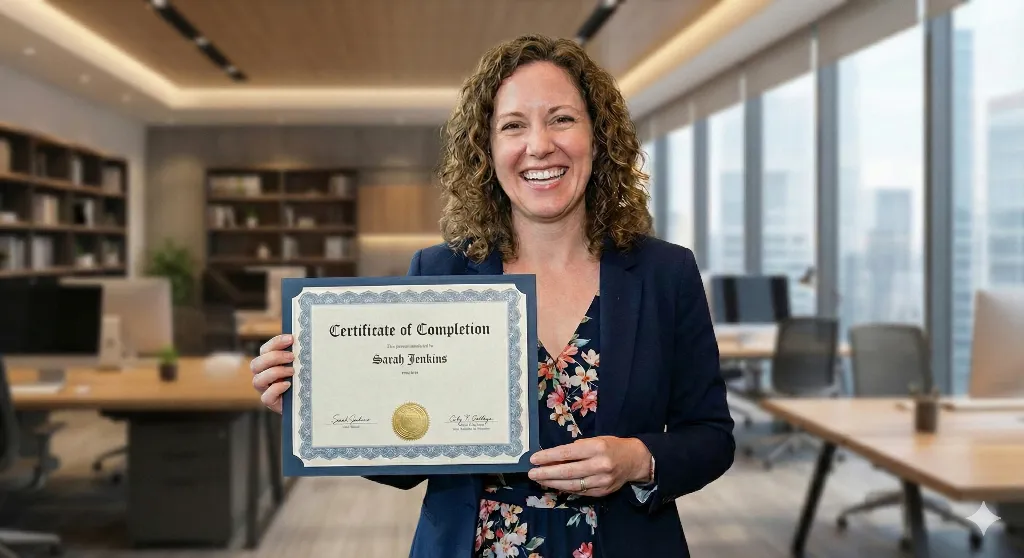
Child care is important work. Children depend on adults to keep them #safe, teach them, and support their feelings. Training helps you do that job well.
Good training can help you:
- Understand how children grow and learn
- Use safer routines ( #health, #sleep, supervision, #emergency plans)
- Improve guidance and #classroom management
- Communicate better with families and coworkers
- Meet licensing or registry requirements
When #staff keep learning, programs get stronger. Families can feel the difference. That’s one reason continuing education is talked about so much in #early-childhood.
What should you look for in an online child care training provider?
Use this section like a checklist when you compare training options.
Look for training that is clear and easy to follow
You should not need “fancy words” to understand the lesson. Good training uses:
- Short videos or short reading sections
- Simple examples from real #classrooms
- Quick knowledge checks (so you know you’re learning)
Look for certificates you can actually use
Before you pay, check:
- Does the course say how many clock hours or CEUs you earn?
- Will you get a certificate after you finish?
- Does it list approved states or registries (if you need that)?
- Look for quality and trust
Some training providers have approvals or accreditations that show they meet certain standards. For example, ChildCareEd shares that it is an IACET Accredited Provider and has state approvals (approval depends on the course and location).
Look for support when you need help
Even great learners get stuck sometimes. A strong training provider offers:
- A help page or contact option
- Clear directions for logging in and finishing courses
- Tech tips (like what browser works best)
How do you know if a course is a good fit for your job?
Ask yourself these questions:
- What ages do I work with? (Infants, #toddlers, #preschool, school-age?)
- What does my state or employer require? (Health and #safety, professionalism, child #development, etc.)
- What do I want to get better at right now? (Guidance, routines, communication, inclusion?)
Then match your needs to the course topic.
Tip: If you need training for professionalism, privacy, and communication with families, pick courses that focus on those real-life situations—because you will use those skills every week. #ChildCareTraining
What are red flags to watch out for?
Be careful if you see: 
- No clear hours listed
- No certificate (or unclear certificate rules)
- Vague course titles that don’t explain what you will learn
- No contact info or support
- Big promises like “guaranteed job” (training can help you, but no one can promise that)
What features make online learning easier (especially for busy #educators)?
Small features can make a big difference.
Look for:
- Mobile-friendly access (if you learn on a phone)
- Save-your-place progress (so you don’t lose your spot)
- Closed captions or audio support (helpful for many learners)
- Bilingual options when possible (great for teams with many #languages) #EarlyChildhoodEducation
How can you compare programs quickly?
Here’s a simple way to compare two training options side-by-side. Check off what each provider offers:
- Clear topic and learning goals
- Hours/CEUs listed
- Certificate after completion
- State/registry approval details (if needed)
- Easy-to-understand lessons
- Quizzes or learning checks
- Tech requirements explained
- Support/contact available
- Fair pricing (and refunds explained)
ChildCareEd courses to support your online training goals
If you’re building your online training plan, these ChildCareEd courses match common needs like professionalism, safe communication, and #career #growth:
- Professional Integrity in Child Care (online)
 Buy Now $24.00– Builds professional habits and responsible work practices.
 - Confidentiality Is a Must! (online) Buy Now $16.00– Helps you understand what information must stay private and what can be shared with families and staff.
- CDA: Stand With Respect and Professionalism (online) Buy Now $24.00 – Supports professionalism skills that matter in early childhood settings (also helpful if you are working toward a CDA path).
- Free ChildCareEd resource you can use right away
If you like having steps written out (so nothing is missed), try this #free resource:
- Updated Checklist for Earning Your CDA Credential (Free Resource) Buy Now $0.00 – A step-by-step checklist that helps you stay organized with training, documents, and next steps.
Related ChildCareEd article to keep learning
For a deeper look at why ongoing training helps your career (and your confidence), read:
Stay connected for tips and short training-friendly ideas
- CDA Bridge Bundle: Preschool
- Pediatric RSV First Aid & CPR/AED
- 45 Hour School Age Methods and Materials
- CDA Bridge Bundle: Family Child Care
- CDA Bridge Bundle: Family Child Care without Portfolio Review
- CDA Bridge Bundle: Infant/Toddler without Portfolio Review
- CDA Bridge Bundle: Preschool without Portfolio Review
- CDA Bridge Bundle: Infant/Toddler
- Texas Director Credential
- Cómo Abrir Una Quardería En Casa Sin Dinero?
- ¿Cuáles son los pasos, requisitos y opciones en línea para la certificación de 90 horas en cuidado de Infantes/Toddlers en Maryland?
- Regulaciones de Licenciamiento de Cuidado Infantil en California para Centros y Hogares de Cuidado Infantil Familiar
- Lista para Guardería en Casa en Illinois: Cómo Iniciar una Guardería en el Hogar
- Where can DC early childhood educators find free or low-cost professional development?
- What Buyers Look for in a Profitable Child Care Center
- Online Child Care Courses in California: Training Made Simple
- Free Online Early Childhood Education Training in Wisconsin: Earn a Certificate
- What do I need to know to provide child care in New York?
- CDA Scholarships in North Carolina: How Child Care Providers Can Find Funding
- Start Online Early Childcare Courses with ChildCareEd
- ChildCareEd Courses and Workshops for Child Care Professionals
- Daycare Grants in Illinois for 2026: Funding Resources for Providers
- How Can Minnesota Family Childcare Providers Find Affordable CCAP-Approved Online Training Courses?
- How Can I Improve My Quality Rating in North Dakota?
- What Is Parent Aware and How Does Minnesota's Quality Rating System Work?
- Online Early Childcare Courses in Nevada
- What is Online CDA Training and How Can It Help My Program?
- Cómo simplificar la capacitación para sus empleados de daycare
- Is the CDA Right for You?
