Early childhood #educators not only impart knowledge but also #nurture essential life skills that shape a child''''s future. ChildCareEd believes that one of the most effective ways to enhance one's teaching capabilities is through the attainment of the Child Development Associate (CDA) Credential  Buy Now
 $500.00$400.00. Consider beginning with our 45 Hour Child Growth and Development Buy Now $399.00 course to build foundational knowledge.
What is the Child Development Associate (CDA) Credential?
The CDA Credential equips educators with essential skills and knowledge to effectively support the #developmental needs of young children, making it a vital asset for anyone in the #early-childhood-education field. Read our primer on what the CDA covers and how it helps educators.
What are the benefits of earning a CDA Credential?
Earning a CDA Credential offers numerous advantages that can significantly enhance an educator's #career and effectiveness in the #classroom. Here are some key benefits: See a full summary of benefits and career impacts.
-
Increased Confidence: Completing the CDA training sharpens educators' skills and keeps them updated on the latest #developments in #early-childhood education. This newfound confidence translates into more effective teaching and improved classroom management.
-
Enhanced Parent-Teacher Relationships: A CDA credential can attract new families to educational programs. Parents are more likely to trust educators who have demonstrated a commitment to understanding and meeting their children's developmental needs
Buy Now $16.00. -
Professional Growth Opportunities: The CDA serves as a stepping stone for further career advancement. Whether aiming for a senior educator role or transitioning into related fields like education consulting, the credential opens doors to various opportunities. For concrete steps, training pathways, and resources to advance within the field, see Advancing Your Career in Early Childhood Education.
-
Higher Earning Potential: Educators with a CDA typically earn more than their peers without the credential. Many states and programs also offer financial incentives for those who invest in their professional development by obtaining a CDA.
-
Pathway to Further Education: The CDA credential can help educators meet college prerequisites, allowing them to transfer credits to over 1,500 partner colleges and universities, thus facilitating continued education. Learn how continued education can unlock professional growth for early childhood educators.
How do you remove crayon marks safely in the classroom?
As educators, mastering these techniques can enhance your ability to connect with children, making you not just a #teacher but a true child whisperer. Read more about building trusting relationships with children.
Here are some effective crayon removal techniques that can be employed in the classroom:
-
Dry Erase Marker Method:
- Color over the crayon marks with a dry-erase marker.
- Allow it to sit for a few seconds, then wipe it off with a cloth or paper towel.
- The solvent in the dry-erase marker helps dissolve the crayon wax, making removal easier.
-
Vinegar and Baking Soda Paste:
- Mix equal parts vinegar and baking soda to create a paste.
- Apply the paste to the crayon marks and let it sit for a few minutes.
- Gently scrub with a cloth or sponge, then wipe clean with water to remove any residue.
-
Rubbing Alcohol Technique:
- Dampen a cloth with rubbing alcohol and gently rub the crayon marks.
- The alcohol breaks down the wax, facilitating easier removal.
- Follow up by wiping the area with a clean, damp cloth to eliminate any leftover residue.
-
Heat Application:
- Use a hairdryer on a low setting to warm the crayon marks.
- As the wax melts, use a paper towel to wipe it away.
- Exercise caution to avoid over #heating the surface, which could cause damage.
-
Commercial Cleaners:
- Utilize commercial cleaning products specifically designed for removing crayon marks.
- Always adhere to the manufacturer’s instructions and test on a small area first to ensure compatibility with the surface.
-
Magic Erasers:
- These sponges can effectively remove crayon marks from walls and other surfaces.
- Simply dampen the eraser and gently scrub the affected area until the marks disappear.
How can creative play support children's development?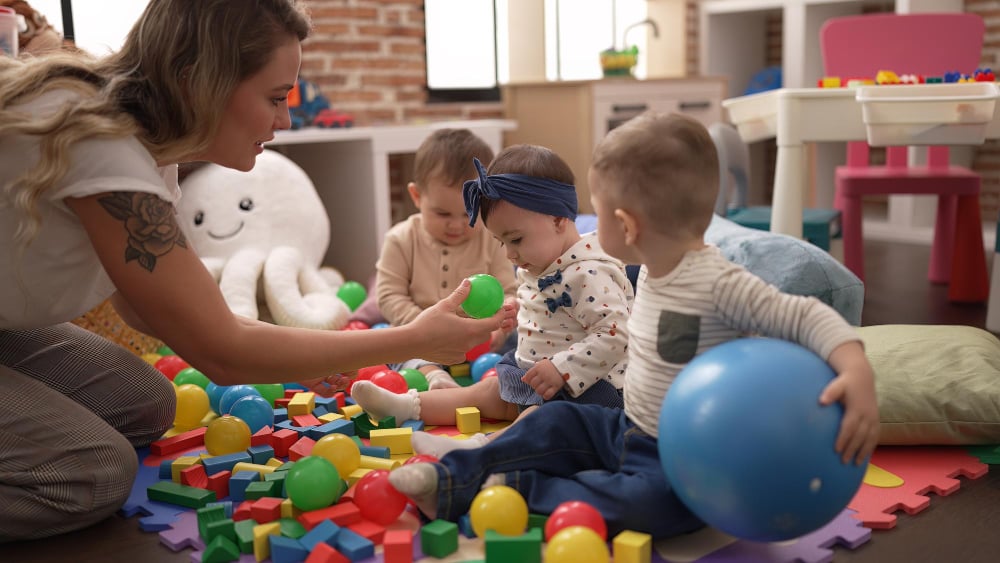
Creative #play is not just a fun pastime; it is a vital component of a child's #growth, nurturing cognitive, social, and emotional skills. CDA holders are uniquely positioned to leverage the power of creative play, guiding children through experiences that ignite their imagination and curiosity. Explore how a CDA supports creative learning in practice.
To effectively implement creative play techniques, CDA holders can consider the following strategies:
-
Imaginative Role-Playing: Encourage children to engage in role-playing scenarios where they can take on various characters or situations. This practice not only enhances creativity but also helps children understand social roles and develop #empathy. Learn what to prepare for before starting the CDA credential.
-
Artistic Expression: Provide a wide range of art supplies and materials, allowing children to #express themselves creatively. Activities such as painting, drawing, and crafting enable children to explore their artistic abilities while simultaneously honing their fine motor skills.
-
Storytelling and Drama: Incorporate storytelling sessions where children can narrate their own tales or act them out. This technique promotes #language-development and helps children articulate their thoughts and feelings, fostering essential communication skills.
-
Sensory Play: Utilize materials that engage the senses, such as sand, water, or playdough. Sensory play is crucial for cognitive development, allowing children to learn through exploration and experimentation
Buy Now $16.00, which enhances their understanding of the world around them. -
Music and Movement: Integrate music and movement activities into the daily routine. Dancing, singing, and playing musical instruments can improve children's physical coordination and rhythm while providing a joyful outlet for self-expression.
-
Outdoor Exploration: Encourage #outdoor-play that connects children with nature. Activities like scavenger hunts or nature walks can spark curiosity and foster a sense of adventure, promoting physical activity and environmental awareness.
By implementing these creative play techniques, CDA holders can cultivate a dynamic learning environment that captivates children's attention and supports their overall development Buy Now $16.00. Embracing the role of a facilitator in creative play can transform the educational experience, making learning both enjoyable and impactful.
How can you get started with CDA training today?
Summary: Earning a CDA is both a practical credential and a framework for continuous improvement. Start by selecting training that matches your setting (preschool, infant/toddler, or family child care). ChildCareEd's CDA courses provide the documented coursework you need; begin with the CDA Introduction Buy Now $0.00 if you're unsure which pathway to choose, or enroll directly in a 120-hour credential course such as our CDA Preschool Credential Buy Now $500.00$400.00 if you already serve preschool-aged children. As you complete coursework, compile your Professional Portfolio, document the required work hours, and schedule your exam and verification visit per the Council's process. Confirm local funding or scholarship options (for example, state T.E.A.C.H. or local workforce grants — see our guide: How to get a CDA for free) and speak with your licensing specialist if you need documentation for registry credit. These practical steps turn coursework into a credential that employers, families, and registries recognize. For a focused overview of how the CDA translates into job roles, training choices, and long-term advancement in early childhood education, see Your Childcare Career with a CDA Credential.
What are the key takeaways about earning a CDA?
Keep a clear timeline: select the coursework that matches your setting, document required direct work hours and the Professional Portfolio items as you go, and confirm verification and exam steps with the Council and your registry. Check for local funding (scholarships, workforce grants, or T.E.A.C.H. programs) early so you can apply while coursework is in progress. Finally, use the CDA as a professional framework—connect coursework to daily practice with classroom strategies (creative play, emotional wellness, documentation) and keep copies of certificates and verification notes for employers and registries.
- Curriculum
- Professionalism
- Child development
- Website Articles
- Child Guidance
- Plus
- Family Child Care Providers
- Preschool Educators
- CDA
- Child development
- Infant/ Toddler Educators
- Community and Family
- Curriculum and Environment
- Families
- Social/Emotional
- Content Areas
- Health and Safety
- Child Development
- Observation
- School-Age Providers
- 45 Hour Child Growth and Development
- CDA Preschool Credential with Portfolio Review
- Birth to Five CDA Credential with Portfolio Review
- CDA Bridge Bundle: Preschool
- CDA Infant/Toddler Credential with Portfolio Review
- CDA Bridge Bundle: Family Child Care
- CDA Bridge Bundle: Family Child Care without Portfolio Review
- CDA Bridge Bundle: Infant/Toddler
- Texas Director Credential
- How Earning a CDA Might Just Make You a Child Whisperer (Or At Least a Crayon Removal Expert)
- CDA Certification en Español: Recursos y Consejos para Educadores Bilingües
- 💛🧩 ¿Cómo puedo hacer que mi enseñanza sea inclusiva para los niños con autismo?
- 🍼📋 ¿Qué necesitas para trabajar en el cuidado infantil en Texas?
- 👧 ¿Cómo iniciar y abrir una guardería en Texas? Lo que necesitas saber
- Requisitos Para Ser Maestra Principal En Un Daycare: Lo Que Necesitas Para Empezar
- ¿Cómo incluir a niños con necesidades especiales en cuidado infantil? Guía práctica y sencilla
- Proceso CDA: Entrenamiento, Portafolio, Examen y Visita de Verificació
- Cómo usar tu certificación de 90 horas en Maryland para completar tu CDA
- 10 Ejemplos de Cómo la Cultura Influye en el Desarrollo Infantil
- Lista para Abrir una Guardería en Casa en Virginia: Cómo Empezar
- Ejemplos de Crianza Respetuosa vs. Crianza Permisiva
- Cómo Ser Maestra de Preescolar en Dakota del Norte
- Cómo Ser Maestra de Preescolar en Illinois
- Capacitación Previa al Servicio para Proveedores de Cuidado Infantil en Dakota del Norte
- Diversión fresca de verano: actividades del Día Nacional del Helado para niños
- Canciones, juegos y preguntas de círculo para niños
- Cómo simplificar la capacitación para sus empleados de daycare
