Introduction: What is separation anxiety and why it matters?
Separation anxiety is when a child feels upset about being away from a parent or main caregiver. It is common when children start #daycare or move to a new room. As a provider, you can help children feel safe and teach families simple steps that work.
Why it matters:
- Calm mornings help children learn, play, and make friends all day. Providers who plan drop-off routines see children join activities faster (How can parents and child care providers make drop-off and pick-up less stressful?).
- Strong routines build trust with families. Small changes can cut tears and save staff time (Easing Drop-Off Anxiety).
Quick note: state requirements vary - check your state licensing agency.
1) What quick, practical drop-off steps actually work?
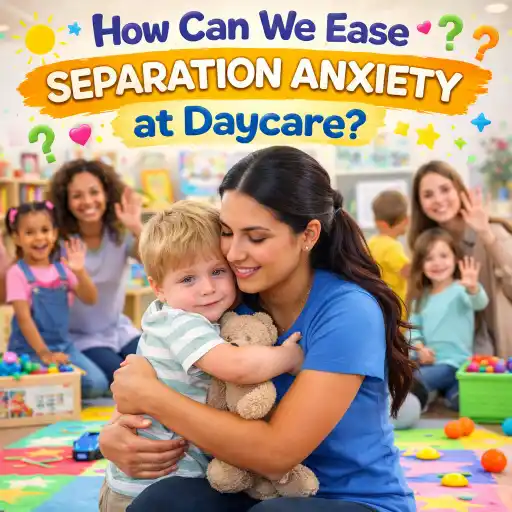
Use these simple steps every morning. Consistency helps children know what to expect and eases their #anxiety.
- 😊 Greet and name: Greet the child by name at the door. A warm hello matters (How to Ease Goodbyes at Daycare Drop Off).
- 🧸 Bring a comfort item: Allow a small, washable lovey or a family photo. It gives the child a piece of home (Easing Drop-Off Anxiety).
- 👋 Use a short goodbye ritual: 15–60 seconds — a song, a handshake, or a phrase. Teach parents to keep goodbyes brief (Drop-off tips).
- 🎯 Offer a quick activity: Point to a familiar toy or a picture schedule and invite the child to join. Redirecting helps children settle fast (How to handle transitions without meltdowns).
- 📱 Reassure parents: Offer a brief check-in plan (text, photo, or a one-line note) to ease parent worry and strengthen trust (Communication ideas).
2) How can providers and parents work together to make separation easier?
Teamwork between staff and families is the strongest tool. Use clear steps and small habits so everyone knows the plan.
- 📚 Share the routine: At orientation or in a welcome packet, explain where to hang coats, where to sign in, and the goodbye ritual. A written plan helps families follow the same steps (A Guide to Smooth School Transitions).
- 🤝 Use a one-line handoff: Parents can tell teachers one key thing (sleep, mood, meds) at drop-off. Quick notes or message cards work well (Drop-off and pick-up).
- 📝 Exchange a morning message: A short note from the family and a short reply at pick-up build trust and show progress (Beyond the Daily Report).
- 🎒 Plan gradual starts: When possible, begin with shorter mornings and add time. Practice short separations at home so children build confidence (Easing Drop-Off Anxiety).
- 👩🏫 Train staff: Use short trainings on anxiety signs and strategies so every staff member responds the same way (Anxiety: Signs & Strategies).
3) What common mistakes should we avoid and how do we fix them?
Knowing what not to do prevents setbacks. Here are common mistakes and easy fixes to help children feel safe.
- 😬 Mistake: Long, emotional goodbyes. Fix: Teach one short ritual and ask parents to leave confidently. Prolonged farewells can increase #separation fear (Goodbye tips).
- 🚪 Mistake: Sneaking away. Fix: Always say goodbye. Sneaking breaks trust and can make future separations worse (KidsHealth on goodbyes).
- 🔁 Mistake: Changing routines too often. Fix: Pick 2–3 arrival steps and use them every day. Consistency builds safety (Transitions help).
- 📵 Mistake: No follow-up for worried parents. Fix: Offer a quick text or picture after 10–20 minutes if the center policy allows — it calms families and supports partnerships (Communication ideas).
- ⚠️ Mistake: Waiting too long for help. Fix: Track progress. If separation keeps getting worse or disrupts daily life, suggest a pediatric or mental health consult (Teacher's guide).
4) When should we seek more support and how do we track progress?
Most children adjust with consistent routines. But some signs mean you should act faster and involve families and health professionals.
- 📋 Track daily patterns: Note how long tears last, which teachers help most, and what comforts the child. Small records show progress or worry.
- 🔍 Watch for red flags: Ongoing refusal to separate, physical symptoms (frequent stomachaches or headaches), or worry that won’t ease may need extra help (KidsHealth: When to worry).
- 👩⚕️ Suggest next steps: If anxiety persists for weeks and limits the child’s day, recommend that the family talk with their pediatrician or a child mental health specialist. Be gentle and practical when you bring this up (Teacher's guide).
- 📚 Use training and tools: Offer parents and staff resources or short trainings (e.g., Anxiety: Signs & Strategies) to learn more coping ideas.
- ⚖️ Check rules: state requirements vary - check your state licensing agency for sign-in/out rules and documentation.
FAQ
- Q: How long should a goodbye be?
A: 15–60 seconds. Brief, loving, and certain helps most children settle (Quick goodbye tip). - Q: Is a comfort toy OK?
A: Yes. Small, washable items help. Set a clear policy about what is allowed (Comfort object ideas). - Q: What if a child keeps crying all morning?
A: Many children calm after a few minutes when engaged. If crying continues daily for weeks, talk with the family and suggest further help (When to seek help). - Q: Can staff give a worried parent a photo or a quick update?
A: Yes, if your center policy allows it. A short photo or text after arrival often eases parent worry (Communication ideas).
For your separation-anxiety article, these two ChildCareEd courses fit perfectly and can be linked right inside the sections on staff strategies and predictable drop-off routines:
-
When you recommend training staff to recognize anxiety signs and respond consistently (your “Train staff” and “When should we seek more support?” sections), link Anxiety: Signs & Strategies here: https://www.childcareed.com/courses-anxiety-signs-strategies.html
 Buy Now $16.00.
 -
When you talk about using steady arrival routines, visual schedules, and smooth transitions to reduce tears at drop-off, link Every Moment Matters: Making the Most of Schedules and Transitions here: https://www.childcareed.com/courses-every-moment-matters-making-the-most-of-schedules-and-transitions-4047.html
Buy Now $55.00.
Conclusion: Quick checklist for staff and families
- ✅ Greet warmly and use the same short goodbye ritual every day.
- ✅ Allow one small comfort item and offer a quick arrival activity.
- ✅ Keep parent handoffs short and offer a brief check-in option.
- ✅ Track progress; suggest medical or mental health help if anxiety persists.
- ✅ Train staff so everyone responds the same way (Anxiety courses).
With steady routines, calm goodbyes, and strong family partnerships, most children learn to trust their #parents and their #providers. Small, consistent steps win. For more resources and articles, see ChildCareEd’s guides on drop-off, transitions, and anxiety (ChildCareEd trainings).
- Anxiety: Signs & Strategies
- CDA Home Visitor Subject Area 3 Part 3 Birth to 5
- CDA Home Visitor Subject Area 2 Part 3 Birth to 5
- 45 hour Growth and Development Birth-age 12 ONLINE
- CDA Infant/Toddler: Parent Relationships
- Moving About the Classroom: Effective Transitions for Everyday
- Pediatric RSV First Aid & CPR/AED
- Texas Director Credential
- CDA: A Closer Look at Assessments
- CDA: Special Needs: Understanding the Whole Child
- Strong Good Hug, And A Kiss to Say Good Bye
- Coping Strategies for Back-to-School Anxiety
- A Guide to Smooth School Transitions
- CDA Certification en Español: Recursos y Consejos para Educadores Bilingües
- Drop-Off Drama? Not with Great Communication
- Cómo Empezar una Guardería en Casa: Requisitos y Pasos
- Proporciones de Cuidado Infantil y Tamaños de Grupo por Edad en Maryland (Guía Rápida para Centros y Hogares)
- Proporciones de Cuidado Infantil y Tamaños de Grupo por Edad en Nueva Jersey (Guía Rápida para Centros y Hogares)
- Proporciones de Cuidado Infantil y Tamaños de Grupo por Edad en Virginia (Guía Rápida para Centros y Hogares)
- How can Washington, D.C. child care providers keep children safe during transitions, drop-off, and pick-up?
- The First Weeks of Child Care: Building Trust with Children
- Canciones, juegos y preguntas de círculo para niños
- Cómo simplificar la capacitación para sus empleados de daycare
- How can we help toddlers with separation anxiety?
- How can we ease separation anxiety when routines change?
- How can child care providers help toddlers manage separation anxiety?
- How can child care programs ease drop-off tears and manage separation anxiety?
- How can the first 30 minutes set your classroom up for a successful day?
- How Can Teachers Ease Separation Anxiety at Drop-Off?
- How Can Child Care Providers Build Strong Partnerships with First-Time Daycare Parents?
