Oklahoma child care leaders and teachers want classrooms where kids feel safe, calm, and ready to learn. This article shows ho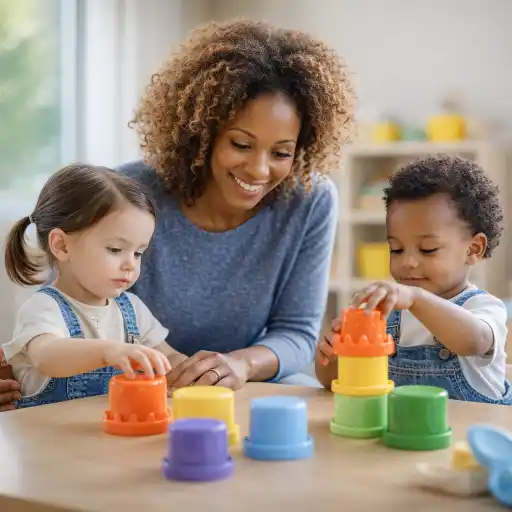 w a focus on strong adult-child #connection helps create a peaceful, predictable room — a true #calmclassroom. You’ll find practical steps you can try tomorrow, ways your team can use Oklahoma supports, and how to measure success. State requirements vary - check your state licensing agency. Our tips come from local practice and helpful resources like ChildCareEd’s relationship guides and the calm-classroom ideas at Building a Calm Classroom. This piece is for busy #teachers who care about their #children and their teams.
How does connection-centered care make classrooms calmer and safer?
1) A calm environment supports those connections. Soft lighting, quiet zones, and a tidy schedule help children regulate. Try quick steps like turning off extra overhead lights or adding a small lamp in a cozy area as suggested in Building a Calm Classroom. When the room is not too busy, children can hear adults, follow routines, and join in group time more easily.
2) Connection plus structure = fewer meltdowns. Use clear visual schedules, short transition cues, and predictable routines. These make the day easier for children and staff and free up time for one-on-one moments that matter. For short coaching scripts and mindful resets, review Finding Calm in the Classroom.
What practical steps can Oklahoma providers use tomorrow?
- 😊 Turn the greeting into a ritual. Say each child’s name and one short phrase ("Good morning, Sam!" or "Nice to see you, Maya!"). This builds immediate trust and sets a calm tone (ChildCareEd).
- 🎯 Make one low-light, low-noise calm spot. Add a small rug, a soft lamp, and 3 calm tools (a feelings chart, a squeeze toy, and a sensory bottle). See cozy corner ideas.
- 🪄 Teach a short calm script: Connect → Calm → Coach. Example: "I’m here. Breathe with me. What helped?" Practice it during circle time so kids know it when upset (Calm-down strategies).
- 📅 Use a one-line visual schedule for the day. Post photos of real classroom moments so children predict what comes next (ChildCareEd).
- 🔁 Short check-ins: Staff quick-huddle at shift change to share one child strength and one next step. Keep notes brief and factual.
These steps link calm space and caring adults to daily routines. Try one and add another after two weeks. Small, steady moves build habits that support #children and busy #teachers.
How can I use Oklahoma state supports to grow connection-centered care?
- 📞 Contact the Oklahoma Warmline for free consultation about behavior and mental health supports. The Warmline can connect you to Pyramid Model coaching through the state Infant & Early Childhood Mental Health Consultation program.
- 🤝 Use Systems of Care partners for wraparound and coordinated supports when families need more services. See Oklahoma Systems of Care.
- 📚 Tap state training and standards at Child Care Services and the Early Childhood program at the state health department (Early Childhood).
- 🧭 Use national frameworks like the Pyramid Model and CSEFEL resources to structure staff coaching. The Pyramid Model offers universal, targeted, and intensive tiers of support—perfect for building consistent, connection-centered practice (see Pyramid Model resources).
State partners can help programs set goals, provide Practice-Based Coaching, and link to local mental health consultants. When you partner with these systems, your classroom-level changes scale into program-wide practice. Remember: state requirements vary - check your state licensing agency. For guidance on recognizing persistent sadness and other signs of depression in young children, see spotting depression in children.
How do teams avoid common mistakes and know if connection-centered care is working?
Common mistakes are fixable. Use simple checks to stay on track and protect staff well-being.
- ❌ Mistake: Only teaching tools during meltdowns. ✅ Fix: Practice calm tools daily in short moments so children learn them when calm (ChildCareEd calm tools).
- ❌ Mistake: Skipping staff support and training. ✅ Fix: Schedule brief, repeated coaching sessions. Use state coaching like Pyramid Model consultants and ChildCareEd courses for refreshers.
- ❌ Mistake: Recording opinions instead of facts. ✅ Fix: Keep brief, dated notes with what you saw and said — use these to spot patterns and to share with families.
Signs your work is helping:
- 📈 More minutes in group time, fewer long meltdowns.
- 🤗 More calm adult-child exchanges (greetings, shared reading, short one-on-ones).
- 📣 Positive family feedback and steady, factual communication at pick-up.
Quick measurement plan (1 month):
- Record one brief observation per day for two children for one week.
- Track 2 simple outcomes: minutes in circle time and number of long meltdowns.
- Review results in one staff huddle and pick one next step.
Conclusion — What three steps can your team take this week?
- ✨ Pick one classroom move: add a calm spot or teach a short calm script (Connect → Calm → Coach). See ChildCareEd cozy corner ideas.
- 📞 Reach out to the Oklahoma Warmline or state Infant & Early Childhood Mental Health Consultation for coaching options: warmline@health.ok.gov or call 1-888-574-5437 (consultation info).
- 🧭 Use a one-week measurement: 3 brief notes per child, track one behavior, and meet once to celebrate progress.
Connection-centered care helps you teach social skills, reduce stress, and make classrooms kinder places to learn. You are doing important work for Oklahoma’s children — small, steady moves add up fast. For tools, printable posters, and courses, visit ChildCareEd and your local state partners. #Oklahoma #teachers #children
FAQ (short)
- Q: How long to see changes? A: Small changes often show in weeks; stronger patterns in months. Keep consistent practice.
- Q: Who can coach our staff? A: Pyramid Model consultants, the Oklahoma Warmline, and local mental health consultants can help.
- Q: What if a family resists suggestions? A: Start with strengths, share short observations, and invite their ideas before offering options.
- Q: Where to get quick posters and tools? A: ChildCareEd free resources and state training pages linked above.
- Roots & Resilience: Understanding What Shapes a Child
- Building Equity: Inclusionary Practices in Preschool
- Social Foundations and Responsive Classrooms
- Bienvenido! Welcoming All Families
- Classroom Setup for Child Care
- Creating Environments that Nurture Growth and Community
- Connections That Count: Building Relationships in Child Care
- Texas Director Credential
- Responding to Emergencies
- Families, Communities, and Classrooms: Working Together for Children
- When the Sunshine Fades: How to Spot Depression in the Happiest-Looking Kids
- 👶 ¿Cuáles son las proporciones y grupos requeridos en Dakota del Norte? 🏫
- Curso de Comunicación de 9 Horas de Maryland
- 10 Ejemplos de Cómo la Cultura Influye en el Desarrollo Infantil
- Capacitación en Salud y Seguridad Preventiva en Línea para Proveedores de Cuidado Infantil
- Proporciones de Cuidado Infantil y Tamaños de Grupo por Edad en Maryland (Guía Rápida para Centros y Hogares)
- Proporciones de Cuidado Infantil y Tamaños de Grupo por Edad en Nueva Jersey (Guía Rápida para Centros y Hogares)
- Proporciones de Cuidado Infantil y Tamaños de Grupo por Edad en Virginia (Guía Rápida para Centros y Hogares)
- How can positive guidance help manage big feelings during indoor play in Oklahoma classrooms?
- How can we build strong teacher-child relationships?
- What's new for child care in Oklahoma and what should providers do?
- Celebrando la amistad en el cuidado infantil durante el Día de los Mejores Amigos
- Cómo simplificar la capacitación para sus empleados de daycare
- How Can Oklahoma Providers Use Connection-Centered Care to Build Calm Classrooms and Stronger Relationships?
- How can the CDA credential help Oklahoma child care providers right now?
- How Does Co-Regulation Help Children Learn to Calm Down?
- How Can Child Care Providers Build More Effective Classroom Management?
- What Is Co-Regulation and Why Does It Matter in Early Childhood?
- What Are 10 Proactive Classroom Management Techniques for Early Educators?
- How Can Teacher Self-Evaluation Improve Classroom Practice and Coaching?
