When a child is hurt at a child care program, everyone feels scared and upset. In Las Vegas, a child was found with his hands bound and the state found safety and supervision problems at the program after the incident. This article helps Nevada directors a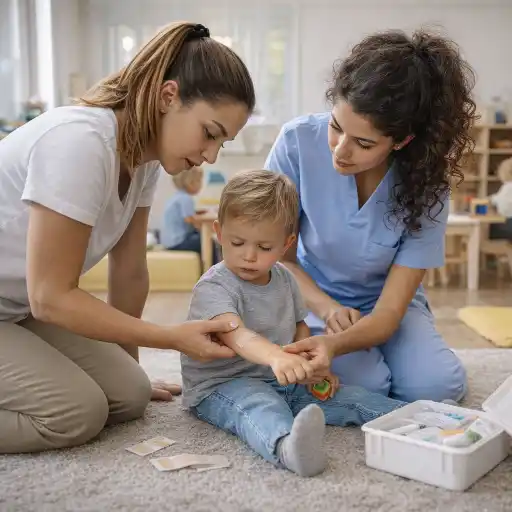 nd providers learn simple steps to prevent serious injuries by using clear #reporting, steady #supervision, and safer daily #routines. You will find quick lists, ideas you can use today, and links to trusted guidance and training from ChildCareEd and state resources. Remember: #Nevada state rules matter and state requirements vary - check your state licensing agency.
What went wrong in real incidents — and why does clear reporting matter?
1) What happened? In the Las Vegas example, a review showed a lack of close watching and safety checks. Video showed the child was not visible for many minutes and staff were not in a position to see or help quickly (news report). That gap let a serious situation go unnoticed.
2) Why reporting matters:
- Protect the child: A good report makes sure the child gets medical help and follow-up.
- Inform families: Honest, fast communication builds trust.
- Fix problems: Reports let leaders spot patterns and change rules or training.
3) How to report well (simple steps):
- 📞 Act fast: Call 911 if breathing, bleeding, or unconsciousness are concerns.
- 📝 Write facts: Who, when, where, what you saw, and what you did.
- 📲 Tell the family according to your policy and note when you called.
- 🔒 Keep reports private and stored safely.
ChildCareEd offers a clear guide on how to report injuries and make good records as part of Injury Reporting in Child Care. Also remember Nevada law about mandated reporting and who must act — see Mandatory Reporting in Nevada and the state statute NRS Chapter 432B.
How can strong active supervision and staffing keep children safer in busy rooms?
1) What is active supervision? It means watching, listening, moving, and staying close enough to help right away. It is more than being in the room — it is focused care. ChildCareEd explains how to use active supervision in mixed-age and busy rooms in Nevada Supervision Rules and in the article Active Supervision: The Only Way to Care for Children.
2) Staffing and ratio basics:
- 👥 Know your ratios: Post a ratio chart on the door so everyone sees it.
- 🔁 Use a floater: One staff person should be ready to cover bathroom or break times.
- 📋 Plan transitions: Assign adults before children move (meals, playground, naps).
3) Positioning and scanning steps you can train today:
- 📍 Stand where you can see and hear all children (clear sight lines).
- 🔍 Scan every 30–60 seconds and count children at each transition.
- 👀 Move: don’t stay in one chair; walk and circulate through zones.
4) What Nevada requires: Follow state licensing standards in NAC Chapter 432A and keep staff training records. ChildCareEd’s Nevada provider guides and supervision courses (like Safe Supervision in Child Care  Buy Now $24.00) can help your team practice these steps.
What safer routines, checklists, and classroom setups prevent serious injuries?
1) Why routines matter: Habits make safety steady. A short checklist done each morning and before each outdoor time stops small hazards from becoming big injuries. For ideas, see ChildCareEd’s piece on Preventing Injuries in Child Care Classrooms and the training library Health & Safety Trainings Buy Now $0.00.
2) Daily safety checklist (keep it short):
- 🔎 Morning walk: check floors, gates, outlets, and first aid kit.
- 🧸 Toys: remove broken items and small parts from baby areas.
- 🛏️ Nap checks: position staff so all sleeping children are visible.
- 🌳 Outdoor check: inspect surfacing, remove glass, and check equipment.
- 📝 Sign and date the log so you have proof checks were done.
3) Routines for transitions (high risk times):
- 📣 Use the same signal to line up so children know what to do.
- 🔢 Count before leaving and after arriving at a new area.
- 🧑🤝🧑 Assign one adult to lead and one to sweep the group.
4) Common mistakes and how to avoid them:
- ❌ Forgetting to document near-misses — fix: add a one-line near-miss box to the daily log.
- ❌ Letting mixed-age toys sit in baby areas — fix: store big-kid toys out of reach.
- ❌ Skipping equipment checks after storms — fix: add a weather check to the outdoor checklist.
For timing and details, the national standards in Caring for Our Children and CDC guidance on safety help you choose best practices. Use ChildCareEd templates and course resources to make short forms your staff will actually use.
How should staff respond, report, and train after serious incidents to protect children and stay compliant?
1) First response steps (numbered for fast action):
- 🚨 Make sure the child is safe: check breathing, bleeding, and consciousness.
- 📞 Call 911 for life-threatening signs (no breathing, heavy bleeding, unconscious).
- 🩹 Give first aid within your training and keep the child calm and warm.
- 📲 Notify the director and the child’s family quickly and calmly.
- 📝 Write the incident report the same day. Include time, witnesses, what you saw, and what you did.
2) Who must report? Nevada law lists many people as mandated reporters. If you suspect abuse or neglect, report to CPS or law enforcement. ChildCareEd’s Nevada guide explains this in plain terms: Mandatory Reporting in Nevada. See state law at NRS Chapter 432B.
3) Training and follow-up:
- 📚 Provide regular refresher training: CPR, first aid, active supervision, and mandated reporter training. ChildCareEd has courses and bundles for Nevada staff in Nevada courses and in the Health & Safety catalog Buy Now $0.00.
- 🔁 After an incident, run a short staff meeting: review the report, fix gaps (e.g., move furniture, add staff), and practice the new routine.
- ✅ Track improvements: update checklists and note completion dates for repairs and retraining.
4) FAQ (short):
- Q: When should we call 911? A: If the child is not breathing, unconscious, has severe bleeding, or has a head/neck injury. For more detail on recognizing and responding to head injuries and traumatic brain injury in infants and young children, see Traumatic Brain Injuries in Infants and Young Children.
- Q: How fast must we report to CPS? A: Nevada says report as soon as reasonably practicable; don’t delay. See Mandatory Reporting in Nevada.
- Q: Who keeps the incident report? A: Keep it in a secure personnel/child file and share only with those who need it.
- Q: What if staff disagree about what happened? A: Write only what you saw and heard; avoid opinions. ChildCareEd’s injury reporting guide shows good wording: Injury Reporting.
State law and local licensing rules guide timing and details, so state requirements vary - check your state licensing agency and your local licensing specialist when you need to be sure.
Conclusion: What are the first steps you can take tomorrow?
1) Do these five quick actions:
- ✅ Post ratio charts and a short supervision plan by each door.
- ✅ Start a one-minute morning safety walk and sign the log each day.
- ✅ Use one standard incident form and train staff to write facts only (see templates).
- ✅ Schedule short, regular training on active supervision and mandated reporting (training resources Buy Now $0.00).
- ✅ Review your emergency plan and reunification steps; practice a drill this month.
You work hard to keep children safe. Small, steady steps — good #supervision, clear #reporting, and simple #routines — make big differences. Use the ChildCareEd guides and Nevada rules to build practical habits your team can follow. If you need a place to start, check the ChildCareEd active supervision resources and Nevada provider pages linked above. Stay brave, ask for help when you need it, and keep children at the center of every choice. Your care matters for every child and family you serve. #childcare #Nevada #safety
- Basic Health & Safety and Breastfeeding Awareness
- Preventative Health and Safety
- Administering Basic Health and Safety Overview
- Pediatric Blended First Aid & CPR/AED Adult, Child, Infant
- Effective Supervision in Child Care
- Effective Supervision in Child Care: For Workforce Solutions
- Texas Director Credential
- 45 Hours Director-Administration ONLINE
- CDA Certification en Español: Recursos y Consejos para Educadores Bilingües
- 🩺 Cumplimiento de Salud e Inmunización en Cuidado Infantil de Nevada ✔️
- 🚌🌄 Ideas de excursiones atractivas en Nevada
- 🚨 Reporte Obligatorio en Nevada
- Cómo Abrir Una Quardería En Casa Sin Dinero?
- Menos Estrés a la Hora de Comer: Rutinas Simples Que Sí Funcionan
- Niveles de credencial de Maryland: qué significan
- Capacitación en Salud y Seguridad Preventiva en Línea para Proveedores de Cuidado Infantil
- Capacitación en Línea con Certificado sobre Abuso y Negligencia
- Regulaciones de Licenciamiento de Cuidado Infantil en California para Centros y Hogares de Cuidado Infantil Familiar
- Proporciones de Cuidado Infantil y Tamaños de Grupo por Edad en Virginia (Guía Rápida para Centros y Hogares)
- Por Qué la Supervisión Activa Es Clave para la Seguridad en el Cuidado Infantil
- Consejos de Supervisión Activa para Salones de Preescolar y el Juego al Aire Libre
- Cómo Trabajar en el Cuidado Infantil en California: Requisitos y Pasos
- Cómo Trabajar en el Cuidado Infantil en Wisconsin: Requisitos y Pasos
- Cómo Ser Maestra de Preescolar en Dakota del Norte
- Capacitación Previa al Servicio para Proveedores de Cuidado Infantil en Nevada
- What Can the Las Vegas Strip Teach Us About Making Sensory-Friendly Classrooms?
- Las Vegas-Level Alertness: Preventing Serious Injuries in Nevada Child Care Through Reporting, Supervision, and Safer Routines
