Great learning spaces help your #learning goals for young #children and support their whole #development through safe routines, thoughtful layout, and lots of #play. This article gives easy steps you can use in your program today. State requirements vary - check your state licensing agency.
Why does a supportive learning environment matter?
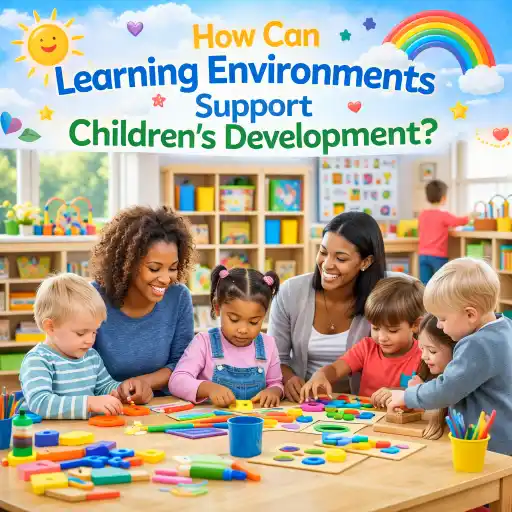
Why it matters:
1) Children who feel safe and cared for learn more. A safe place helps children relax and try new things. For ideas, see Creating Safe and Supportive Learning Environments.
2) Spaces that match children's needs help teachers teach and children grow. Good environments help with attention, social skills, and health. The research behind strong spaces is clear — process quality and interactions matter a lot (see Environment Rating Scales).
3) Play, routines, and design work together. Play builds thinking and social skills, routines make days calm, and design supports both — learn more at The Power of Play. For concrete strategies to build friendships and foster peer relationships in early childhood programs, see Building Social Foundations.
What are the key features of an environment that supports development?
- 🔹 Clear zones: reading, blocks, art, sensory, and quiet spaces. Zones help children choose and focus. See Designing Learning Spaces That Inspire Curiosity, Not Chaos.
- 🔸 Child access: shelves, books, and materials at child height so children can make choices and tidy up.
- 🔹 Soft calm spots: a rug, cushions, or a small tent for children who need quiet time. This supports emotional safety and self-regulation. For practical trauma-informed play strategies that build resilience and support emotional well-being, see Frosty Fun: Trauma-Informed Play for Resilient Young Learners.
- 🔸 Safe layout: clear paths for walking, good sight-lines for supervision, and age-appropriate furniture. For safety and health training, see Safe and Sound
 Buy Now $55.00.
 - 🔹 Open-ended materials: blocks, loose parts, art, and books that invite many ways to use them. These support problem solving and creativity; learn more in The Role of Pretend Play.
How does design and materials help learning and behavior?
Use these practical steps:
- 😊 1) Define centers with small rugs or low shelves so children know where to play and learn.
- 2) Rotate materials: keep 3–7 choices per invitation so play stays deep, not scattered.
- 😊 3) Label with pictures and words to support language, including dual language learners (see Inclusive Learning Environments).
- 4) Use natural light, soft colors, and plants when possible. Outdoor and nature spaces boost attention and health — see design ideas at Designing for Early Childhood.
- 😊 5) Keep safety in mind: anchor shelves, cover cords, and make sure furniture meets licensing rules — state requirements vary - check your state licensing agency.
These changes help children focus, reduce behavior challenges, and let staff spend more time teaching instead of redirecting. For detailed classroom checklists, see How Does Classroom Design Impact Behavior and Learning?.
How can providers make simple, effective changes today?
Answer: Try a short plan you and your team can use this week and month.
Weekly actions (quick wins):
- 🔧 1) Declutter: put extras in labeled bins and store them out of sight.
- 📚 2) Lower one shelf: make two or three popular books and materials reachable.
- 🌿 3) Add a nature or sensory table with found items, shells, or leaves.
- 🧼 4) Check cleaning and handwashing routines to keep children healthy.
- 🔧 5) Post a simple visual schedule so children know the day’s steps.
Monthly checklist (bigger steps):
- 😊 1) Observe where children play longest and where they get stuck. Adapt centers based on what you see.
- 2) Rotate materials to renew interest and support new skills.
- 3) Ask families one question: “What should we add to help your child feel at home?”
- 4) Book short team time for one training or to try a new setup. ChildCareEd courses like The Prepared Environment Buy Now $16.00 can guide changes toward independence.
Common mistakes and how to avoid them:
- ❌ Over-decorated walls — Fix: rotate displays and keep only current work visible.
- ❌ Too many toys out — Fix: limit invitations and rotate; children will engage more deeply.
- ❌ Putting noisy and quiet areas together — Fix: move centers or add soft dividers and rugs.
Conclusion
Learning environments are powerful tools. With small, steady steps you can make your space support #learning, #development, and strong relationships for the #children in your care. Use clear zones, child access, calm spots, safe layout, and open-ended materials. Watch how children respond, ask families for ideas, and adjust often.
Quick starter checklist:
- 🧹 Declutter and label storage
- 📚 Make materials reachable
- 🌿 Add a small nature or sensory spot
- 🧼 Keep health routines strong
- 😊 Observe and adapt monthly
For more tools and training, explore ChildCareEd articles and courses noted above. Your classroom is a partner in learning—small design and routine changes help every child grow. You may also find it useful to align your professional learning and classroom changes with the CDA's four focus areas to make sure your environment, interactions, and routines reflect recognized early childhood competencies; see the CDA's four focus areas.
FAQ (short answers):
- Q: How often should I rotate materials? A: Every 1–4 weeks based on interest.
- Q: What if my space is small? A: Use vertical storage, rugs to define areas, and flexible furniture.
- Q: How do I include children with special needs? A: Talk with families, adapt materials, and keep supports in-group so the child belongs. For guidance see Inclusive Learning Environments.
- Q: Who do I ask about big furniture changes? A: Your licensing office and building maintenance — state requirements vary - check your state licensing agency.
- 45 Hour Child Growth and Development
- CDA Home Visitor Subject Area 3 Part 3 Birth to 5
- 45 Hour Preschool Methods and Materials
- Easy Steps to Resume and Interview Success
- Birth to Five CDA Credential with Portfolio Review
- Pediatric RSV First Aid & CPR/AED
- 45 Hour School Age Methods and Materials
- Creating Environments that Nurture Growth and Community
- Texas Director Credential
- Free Childcare Training
- The Vital Role of Professional Development
- Frosty Fun: Trauma-Informed Play for Resilient Young Learners
- New Year, New Skills: Why Childcare Certifications Should Be your focus in 2025
- CDA Certification en Español: Recursos y Consejos para Educadores Bilingües
- 🌲Leading the Way: How Directors & Administrators Shape Early Learning in Oregon
- From Training to Career Growth: Exploring Online Early Childhood Education
- Online Early Childhood Education Courses: Learn, Grow, and Advance Your Career
- CDA Practice Test by Competency Area: What Should You Study?
- What Is the Difference Between Early Childhood Education and Child Development?
- What Makes a Great Home Daycare? 10 Things Parents Notice First
- More Than ABCs and 123s: The Real Importance of Early Childhood Education
- Free ECE Courses in Canada: Test the Field Before You Commit to a Diploma
- How Can Child Care Providers Support Healthy Brain Development in Young Children?
- How Can Loose Parts Play Turn Everyday Objects Into Powerful Learning Opportunities?
- How Can Child Care Providers Support Preschool Development?
- How Can Child Care Providers Make Outdoor Learning Meaningful, Safe, and Inclusive?
- How Can Child Care Providers Build a Developmentally Appropriate Curriculum for Infants?
