Small babies need safe grown-ups they can trust. In Georgia, training and coaching for infant-toddler care help teachers learn how to make those warm, steady connections. This article explains simple steps teachers and directors can use to grow strong bonds with the 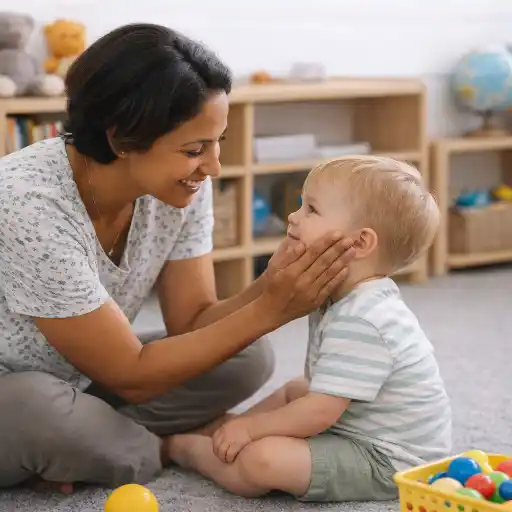 youngest children. You will find practical ideas, short routines, and links to helpful courses and guides so you can act right away. Remember: state requirements vary - check your state licensing agency.
What is Georgia’s infant-toddler coaching focus and why does it matter?
2. Why it matters: Babies learn trust from steady, kind adults. When teachers get coaching, they practice watching baby cues, answering quickly, and using routines that become safe repeats for the child. This builds #attachment and supports brain growth, language, and calm classrooms as described in The Role of Attachment in Early Childhood Development.
3. Coaching is not just training. It is hands-on help where a coach watches, reflects, and offers quick ideas that teachers can use that same day. Research and practical guides (for example, coaching resources and outcomes on ChildCareEd coaching) show coaching improves how teachers respond to infants.
Short takeaway: Coaching turns knowledge into steady practice. It helps teachers turn every routine—feeding, diapering, arrival—into a chance to connect with each child.
How does coaching help teachers build secure attachments with infants and toddlers?
2. What teachers learn through coaching:
- 👶 Read cues: Learn what fussing, reaching, or turning away actually means.
- 🙂 Calm responses: Use voice, touch, or a short routine to soothe.
- 🔁 Repeat routines: Use the same steps each time so babies know what comes next.
3. In group care, children can have more than one secure adult. Coaches help teachers make a plan, so each child has a primary helper or ‘home base’ teacher during key routines. This idea is described in Building Secure Attachments in group care and in resources about attachment on ChildCareEd.
4. Coaching also helps teachers use everyday moments as teaching: diapering becomes language time, feeding becomes a calm sharing moment. These small acts build # teachers' skills and help #infants feel safe.
What simple coaching steps and room routines can teachers try tomorrow?
Try this short plan (3 steps):
- 🕒 Set a simple arrival routine: Greeting name + eye contact + one small task (hang coat). Repeat each day.
- 🧴 Use care routines to connect: During diapering or feeding, narrate what you do and look at the child. Example: “All clean! Now we have your teddy.”
- 📋 One-minute check-ins: Every hour, try to give one child a minute of one-on-one play or talk. Rotate through the group.
Common mistakes and how to avoid them:
- ❌ Mistake: Following the clock, not the baby. ✅ Fix: Use flexible blocks (care loop) so each baby’s needs come first. See ideas in responsive caregiving.
- ❌ Mistake: No clear primary helper. ✅ Fix: Assign a go-to teacher for each child for greetings and comfort, even in group rooms (this supports #attachment).
- ❌ Mistake: Skipping coach follow-up. ✅ Fix: Schedule short coaching notes or quick reflections after each visit so skills stick.
How can directors and program leaders support coaching and secure attachments in Georgia?
1. Build a coaching plan that fits your program. Use local course options and professional development bundles to set staff goals. ChildCareEd lists Georgia course options and many short trainings you can use for staff growth at ChildCareEd Georgia courses.
2. Practical steps for leaders:
- 📚 Provide time: Give staff paid time for training and coach visits (even 30 minutes a week helps).
- 🤝 Pair coaches with teachers: Use coaching that models a skill, then watches practice and gives kind feedback. Coaching definitions and how-to ideas are found in coaching resources like Coaching in Early Intervention.
- 📝 Use clear policies: Add primary caregiving, flexible room rhythms, and safe-sleep and feeding policies to staff guides. The Georgia Family Child Care guide can help with licensing steps: ChildCareEd Georgia guide Buy Now $0.00.
3. Measure progress with simple checks:
- Ask teachers to note one small success each week.
- Use short observations to see if teachers are noticing cues and using calm routines.
- Celebrate wins: a quick team shout-out goes a long way.
4. Funding and training options: Look for short CEU courses and the 45-hour infant-toddler curriculum to build staff knowledge and meet licensing or employer rules (ChildCareEd). State rules change—state requirements vary - check your state licensing agency.
Conclusion: What can you start today?
1. Start small. Pick one arrival routine, one care-script for diapering or feeding, and one child to give a one-minute check-in each day.
2. Use coaching to practice. Invite a coach or peer to watch for 10 minutes, give gentle feedback, and praise what went well. Coaching and mentoring tools on ChildCareEd and professional development pages (ChildCareEd Buy Now $0.00) are good places to plan next steps.
3. Keep it about trust. Every calm response builds a baby’s brain and helps your staff feel confident. Your program can create many small secure attachments that add up to big benefits for children and families.
Key words: #Georgia #infants #teachers #attachment #coaching
1. Coaching focuses on clear, small moves that matter. Coaches guide teachers to notice signals, respond warmly, and repeat those caring steps. This mirrors ideas from responsive caregiving, where the simple rule is: notice, respond, repeat (ChildCareEd on responsive caregiving).1. Georgia offers training and supports designed for people who care for babies and toddlers. These include online courses and guidance for family child care homes and centers as part of local program rules and coaching supports (see the Georgia course listings at ChildCareEd Georgia courses and the Family Child Care Learning Home guide at ChildCareEd Buy Now $0.00). Why this matters: Small routines make a big difference. Babies learn trust when care is steady and predictable. Coaching helps teachers pick a few steps and practice them until they become natural. See practical training like the 45-hour infant-toddler course for deeper learning at ChildCareEd.
- CDA Infant/Toddler Credential
- CDA Infants/Toddlers: Importance of Consistent Care
- 45 Hour Infant and Toddler Methods and Materials
- Baby Steps to Milestones
- CDA Bridge Bundle: Infant/Toddler without Portfolio Review
- 45-Hour Infant and Toddler Curriculum
- Positive Attention: Interactions & Supervision for Infants & Toddlers
- Texas Director Credential
- Baby Steps to Milestones ONLINE
- Behind the Scenes: Baby Routines ONLINE
- Professional Development & Teddy Bear Activities
- CDA Certification en Español: Recursos y Consejos para Educadores Bilingües
- 💛🧩 ¿Cómo puedo hacer que mi enseñanza sea inclusiva para los niños con autismo?
- 👶 ¿Cuáles son las proporciones y grupos requeridos en Dakota del Norte? 🏫
- Curso de Comunicación de 9 Horas de Maryland
- ¿Qué es la Certificación de 90 Horas para Cuidado Infantil en Maryland?
- ¿Cuáles son los pasos, requisitos y opciones en línea para la certificación de 90 horas en cuidado de Infantes/Toddlers en Maryland?
- ¿Cómo empiezo mi certificación CDA en Florida en línea?
- 10 Ejemplos de Cómo la Cultura Influye en el Desarrollo Infantil
- Proporciones de Cuidado Infantil y Tamaños de Grupo por Edad en Virginia (Guía Rápida para Centros y Hogares)
- Por Qué la Supervisión Activa Es Clave para la Seguridad en el Cuidado Infantil
- Cómo Trabajar en el Cuidado Infantil en Carolina del Norte: Requisitos y Pasos
- Requisitos para Guarderías en Casa en Georgia
- What is responsive caregiving for infants and how do we do it well?
- Celebrando la amistad en el cuidado infantil durante el Día de los Mejores Amigos
- Cómo simplificar la capacitación para sus empleados de daycare
- New Kindergarten Teacher Resources: Grants, Supplies, and Training
- How can Georgia’s infant-toddler coaching help teachers build secure attachments?
- How Can We Create a Calm and Nurturing Infant Classroom?
- How Can Child Care Providers Build Secure Attachments with Infants?
