How do I make moon sand for my classroom?
Moon sand is a pliable sensory medium that supports tactile exploration, the refinement of fine-motor control, and inquiry-driven STEM investigations. This article synthesizes practitioner-tested DIY formulations with evidence-informed inclusion and safety strategies, sanitation and storage protocols, and activity extensions specifically tailored to licensed child care programs. For professional development that integrates play-based curriculum planning and environment design, see the ChildCareEd courses The Best Promotion is Play  Buy Now $24.00 and Playful Spaces for Infants & Toddlers Buy Now $24.00. The recommendations emphasize explicit documentation of learning objectives, rigorous risk-mitigation measures for health and allergies, and practical methods for aligning sensory materials with assessment and intentional teaching. #sensory #play #creativity #fineMotor #STEM
What is moon sand and what are safe recipe options?
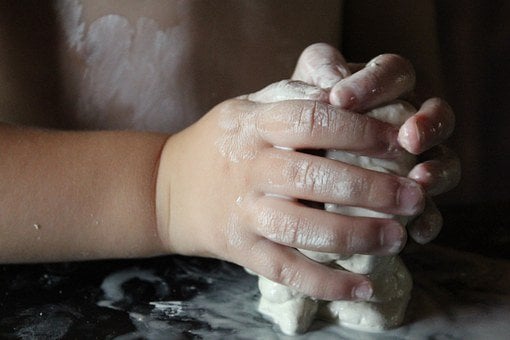
Moon sand (commonly called cloud dough) is a malleable sensory medium produced either from a starch- or flour-based dry matrix blended with oil, or from granular, washed play sand combined with a stabilizing binder. In early childhood programs, practitioners most often select one of two safety-conscious formulations that balance tactile affordances with hygiene, cross-contamination control, and allergy management:
- Flour + oil (soft, edible-feeling cloud dough). This makes a silky, crumbly dough that molds well and is gentle on skin.
- Play sand + cornstarch (firmer, holds molds like sandcastles). This formula is useful when you want a more sand-like feel that retains sculpted shapes.
Both approaches are used widely by educators. An example of a flour-and-oil cloud dough recipe and notes about edible-safe ingredients are documented in practitioner sources; see the Flour+Oil alternative in the References below for verification. For a sand-and-cornstarch variant that holds molds well, see the second reference in the References section below.
What materials and substitutions should I consider?
- All-purpose flour (8 cups) — or gluten-free flour if you have children with gluten allergies. Use labeled, separate bins for allergy-safe materials.
- Baby oil (1 cup) — produces a silky non-drying feel but is not edible; avoid when children mouth materials. For an edible-friendly mix, use melted coconut oil (see verified reference) or use a sand+cornstarch recipe instead.
- Play sand (washed) + cornstarch — an alternative that creates a moldable textured sand. Store dry, and add small amounts of water if it dries out.
- Tools: mixing bowl, wooden spoon, scoops, Play-Doh molds (cleaned), sensory bin, and airtight storage tubs.
What are clear, step-by-step directions and safety tips?
Follow these steps and safety checks when preparing moon sand for a classroom:
- Prepare: Label a clean sensory bin and collect materials. Post a simple visual rule: 'I keep materials in the bin, not in my mouth.'
- Measure: Combine 8 cups of all-purpose flour with 1 cup baby oil (for non-edible cloud dough). If using an edible-safe oil like melted coconut oil, reduce the oil slightly and mix by hand until the texture is moldable (see the edible-flour recipe in References).
- Mix: Use a wooden spoon, then finish by kneading with hands until the dough feels soft and moldable.
- Model and supervise: Demonstrate molding, scooping, and cleaning. Use active supervision strategies to watch for mouthing, cross-contamination, or unsafe behavior — see the ChildCareEd course Effective Supervision in Child Care Buy Now $25.00 for guidance on supervision best practices.
- Allergy and hygiene checks: Do not use flour-based moon sand with children who orally explore materials or with known wheat/gluten allergies unless you have verified a gluten-free flour. Use handwashing before and after play, and clean tools between groups.
How can moon sand support learning and developmental goals?
Moon sand supports multiple domains of early learning when intentionally used. Teachers can plan brief learning objectives such as:
- Fine motor development — scooping, pinching, pressing, and using molds exercise intrinsic hand muscles needed for prewriting.
- Language and vocabulary — use descriptive words (soft, crumbly, moldable) and encourage children to narrate their building process.
- Early STEM — pose questions about why the mixture holds a shape or crumbles, and let children test variable changes (more oil vs less oil).
- Self-regulation and sensory modulation — calm, repetitive hands-on play can help children regulate arousal and attention.
For curriculum planning that centers play and learning goals, consider linking this activity to a short lesson plan or embedding it during a center time; relevant ChildCareEd courses include The Best Promotion is Play Buy Now $24.00 (these links provide additional strategies for pairing play with objectives).
What are activity variations and extensions I can use?
- Space theme: Add small plastic 'moon rocks' (painted pebbles), magnifying glasses, or astronaut figurines to support a Moon Day or space exploration unit — see our Moon Day/Space Exploration Day and sand, space, and science articles for lesson ideas.
- Color and scent: Add small amounts of powdered food coloring mixed into the oil (pre-mix) or safe herbal powders for scent (test for sensitivities first); see precautions below.
- Math and measurement: Have children measure cups as they mix a small batch, supporting early math concepts — pair with prewriting through play or motor skills articles for assessment ideas.
How do I store, sanitize, and know when to replace moon sand?
Store moon sand in labeled, airtight containers between uses and keep in a cool dry place. Flour- and oil-based mixtures are less likely to grow mold when stored dry and sealed, but if you detect odors, discoloration, or visible mold, discard immediately and replace. For sand+cornstarch mixtures, allow the blend to dry before storage and discard if damp or mold appears. Rotate materials: plan a lifecycle (e.g., small classroom batches replaced weekly or as hygiene needs dictate) and keep a cleaning log.
What precautions should I take to reduce risk?
- Do not use baby oil mixtures with children who mouth materials; prefer edible-safe coconut oil or the sand+cornstarch variant when mouthing is a concern.
- Label materials for allergy awareness and select gluten-free flour when necessary. Keep written parent/guardian permissions if using edible-feeling materials.
- Supervise actively. Use visual rules and quick redirection to keep material in the bin and off faces.
What are the key takeaways on using moon sand safely and effectively in classrooms?
Moon sand is a purposeful, adaptable sensory medium when educators select formulations that align with program safety policies, individual health needs, and explicit learning objectives. Use flour-and-oil cloud dough for soft, malleable exploration and a sand-and-cornstarch blend when you need sculptural retention. Document ingredient lists, secure parent/guardian permissions when materials resemble food, implement active supervision, and maintain a materials lifecycle and cleaning log to manage hygiene and replacement. Pair each sensory session with measurable learning goals—such as a fine-motor objective or a simple hypothesis test—to make play outcomes observable and assessable.
References
- Herbal Moon Sand (flour + oil cloud dough recipe and notes on edible-safe substitutions). Supports a flour-based cloud dough alternative and natural colorants. (verified)
- Homemade Moon Sand (sand + cornstarch recipe and storage notes). Describes a sand-and-cornstarch moon sand that holds molds and storage advice. (verified)
Related ChildCareEd articles
- Moon Day/Space Exploration Day
- How can we explore sand, space, and science with young children in preschool settings?
- How can ocean-themed sensory bins and water play boost learning while staying safe?
- How motor skills shape child development
- Summer Preschool Activities for Art, Science, and Sensory Play
- 45 Hour Child Growth and Development
- 45 Hour Preschool Methods and Materials
- Children at the Wheel: Emergent Curriculum
- Look What I Can Do! Developmental Disabilities Overview
- Texas Director Credential Renewal
- Texas Director Credential
- 45 hour Growth and Development Birth-age 12 ONLINE
- Enhancing STEM Education for Infants and Toddlers
- Moon Day/Space Exploration Day
- Making Moon Dough
- Exploring the World: Fun and Educational Social Studies Activities for Preschoolers
- Ramadan Stories and Activities for Cultural Awareness
- Ramadan Activities for Kids: Classroom Ideas for Preschool Through School Age
- Lunar New Year in the Classroom: Hands-On Activities and Learning Ideas
- Ramadan Made Simple: Classroom Activities Kids Will Enjoy
- Can activity posts about learning through play attract families and support children’s learning?
- Eid al-Fitr Classroom Activities: Easy Ideas for Child Care and Preschool
- A Fresh Start: Islamic New Year Activities for Little Learners
- Diversión fresca de verano: actividades del Día Nacional del Helado para niños
- How Can Day vs. Night Sorting Help Children Understand Time and Routine?
- Why Is Beginning-Sound Bingo a Smart Step Toward Reading?
- How Can Teachers Build Early Literacy Without Screens or Worksheets?
- How Can Child Care Providers Preserve a Child’s Exact Words During Story Dictation?
- How Should Providers Respond to Invented Words in Children’s Stories?
- How Can Child Care Providers Help Children Describe an Imaginary Place Their Listener Cannot See?
- What Can a Wrong Beginning-Sound Answer Tell a Preschool Teacher?
- How Can You Plan October Classroom Activities for Children Who Do Not Celebrate Halloween?
- How Can You Adapt a Beginning-Sound Activity for Different Learning Needs?
