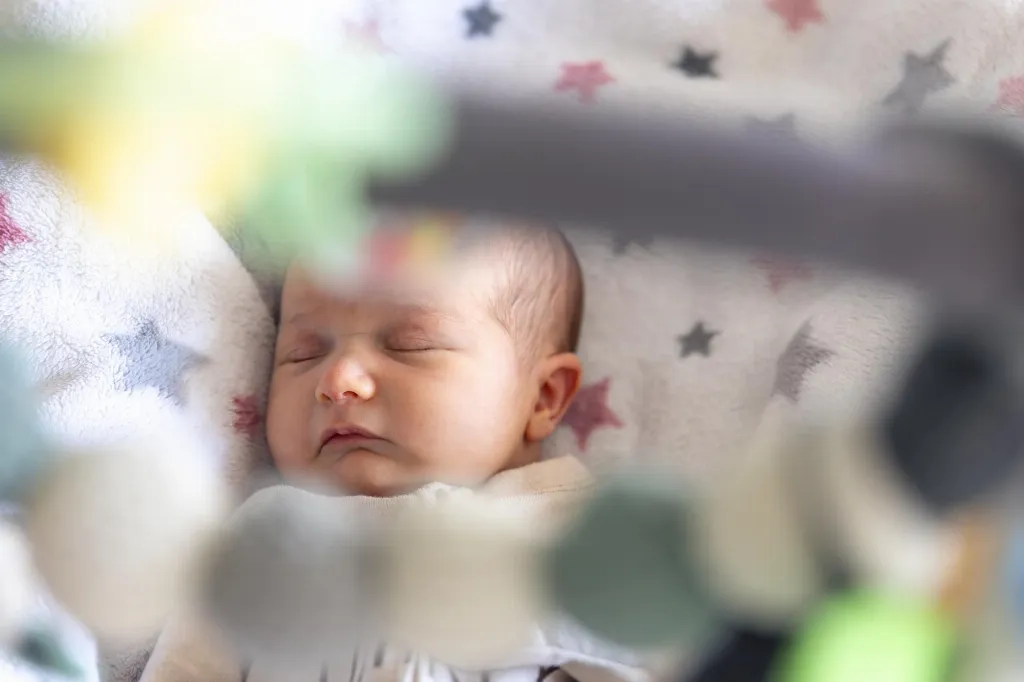
 Every day in child care you care for tiny lives. Sleep time is one of the most important times to get right. This short guide explains how to make sleep safer and lower the risk of Sudden Infant Death Syndrome (SIDS). You will find simple steps, clear checks for your facility, and ways to talk with families. Follow trusted guidance like the CDC and resources from ChildCareEd. Remember: small actions save lives.
What is SIDS and what is a safe sleep environment?
SIDS means a baby under 1 year of age dies suddenly and the cause is not known. Most SIDS deaths happen during sleep. Experts say that where a baby sleeps and how a baby is placed to sleep can make a big difference. The American Academy of Pediatrics and the CDC both recommend simple safe sleep steps that help reduce risk.
A safe sleep area should include:
- A firm, flat mattress in a safety-approved crib or bassinet
- One fitted sheet only with nothing else in the sleep space
- Baby placed on their back for every sleep until age 1
- A crib kept in the same room as caregivers for at least 6 months — room-sharing, not bed-sharing
What are the daily steps to reduce SIDS risk in child care?
Use these steps every day. Treat them like a short checklist each nap time. The items below come from AAP and CDC guidance and ChildCareEd resources.
🙂 Always place infants on their backs to sleep (naps and night). Babies who roll over by themselves can stay where they roll, but start on the back.
🛏️ Use a firm, flat sleep surface in a safety-approved crib or bassinet with a tight-fitted sheet only.
❌ Remove soft items: no blankets, pillows, bumper pads, stuffed toys, or wedges in the crib.
👕 Dress for temperature: light sleep clothing or a sleep sack instead of loose blankets. Avoid overheating.
📍 Room-share: keep the crib in the provider’s room so babies are monitored, but do not bed-share.
🍼 Encourage breastfeeding when possible — it lowers risk — and offer a pacifier at sleep time if the parent agrees.
How do I set up policies, training, and checks at my program?
Policies and training keep everyone on the same page. ChildCareEd offers courses and checklists that many programs use to train staff and show parents you follow best practice  Buy Now $8.00 and facility checklist.
Use this short plan:
📄 Create one clear written safe-sleep policy based on AAP/CDC guidance. Share it with staff and families before enrollment.
🎓 Require training for all staff who care for infants. Document completion and refresh yearly.
🔍 Do daily checks: staff should verify each crib is bare, mattress fits, and baby is placed on back. Keep quick logs.
👪 Communicate with families: explain your policy, get signatures, and have a plan if parents request something different. If a medical exception is needed, get it in writing from a physician.
✅ Audit: run unannounced spot checks and review records at least monthly.
Find sample policies and a training path at ChildCareEd’s safe sleep resources.
How do we talk with families and avoid common mistakes?
Talking with families is sensitive. Use respect, clear facts, and teamwork. Follow these steps used by many programs and recommended by ChildCareEd.
🤝 Start with empathy: acknowledge family practices and explain that your goal is safety.
📚 Share short facts: back to sleep, firm surface, no soft bedding. Offer printed handouts from trusted sites like the CDC or ChildCareEd handouts.
✍️ Get written agreement at enrollment that explains how you will handle sleep time. If parents insist on unsafe items, explain risks and follow program rules.
🩺 For medical exceptions (very rare), require a signed doctor’s note with clear instructions and a timeline.
Safe sleep FAQ
Can a baby sleep on their side?
No. Always place a baby on their back to start every sleep.
What if a parent wants a blanket?
Use a sleep sack instead of a loose blanket.
Are monitors enough to prevent SIDS?
No. Monitors are not proven to prevent SIDS. Safe sleep practices are still the most important step.
When can a baby sleep on their stomach?
Once a baby can roll both ways on their own, they may find their own sleep position.
- Reducing the Risk of Sudden Infant Death Syndrome
- SIDS: Saving Babies: A Change of Position, A Change in Tradition
- Safe Sleep Training
- SIDS: Saving Babies: A Change of Position, A Change in Tradition
- Basic Health & Safety and Breastfeeding Awareness
- Reducing the Risk of Sudden Infant Death Syndrome
- Texas Director Credential
- Prevention of Sudden Infant Death Syndrome and Use of Safe Sleep Practices
- Help Me Sleep Safely: SIDS/SUID Prevention
- Safeguarding Young Lives: A Comprehensive Guide to Child Care Safety
- Safe sleep basics (and common mistakes to avoid)
- SIDS Science: What Every Parent Needs to Know About Safe Sleep
- Protecting Infants and Preventing Sleep-Related Incidents
- Why Safe Sleep Training Matters: Preventing SIDS and Promoting Infant Well-Being
- Recursos en Español sobre el Sueño Seguro del Bebé
- Capacitación Previa al Servicio para Proveedores de Cuidado Infantil en Nevada
- How can Texas infant and toddler caregivers ensure safe sleep, support brain development, and use responsive routines?
- What is SIDS prevention training and how can childcare providers use it to keep babies safe?
- How can Safe Sleep Training help childcare providers keep babies safe?
- What should child care providers learn in SIDS training?
- How Can Child Care Providers Prevent SIDS and Use Safe Sleep Practices?
- How do infant teachers keep babies safe during sleep?
- How can infant teachers use Safe Sleep Training to keep babies safe?
- How can safe sleep training help child care providers keep babies safe?
- How can I create a safe childcare environment for every age group?
- How can childcare programs reliably prevent SIDS during infant care?
- How can child care providers consistently implement safe sleep practices for infants and toddlers?
- How can infant caregivers and child care programs ensure safe sleep?
- Which SIDS Class Do You Need for Child Care? Compare Safe Sleep Training Options
- How Can Child Care Providers Implement Safe Sleep Practices Every Day?
