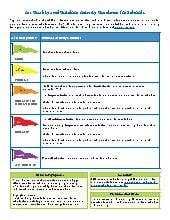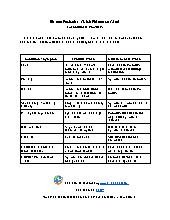
An Illness Exclusion Quick Reference Chart is a brief, user-friendly resource for schools, childcare programs, and workplaces that pairs common infectious symptoms and conditions with recommended exclusion periods and return-to-setting criteria. It enables staff to make rapid, consistent decisions about who should stay home to prevent transmission by listing signs (fever, vomiting, diarrhea, rash, conjunctivitis/pink eye, etc.), the symptom-free intervals required, and whether medical clearance or testing is needed. Regularly updating the chart to reflect public health guidance improves safety, lowers outbreak risk, and provides clear, consistent communication to parents and employees about illness and absence policies. #healthcare #health#free#staff#home
Mentoring staff makes them more valuable to your organization by developing and enhancing their skills, both professionally and personally. Mentoring programs a...
When we have young children under our care, one of our primary responsibilities is to ensure their health and well-being. This includes being able to administer...
This course satisfies the following area(s) of the CDA: Subject Area 1: Planning a Safe and Healthy Learning Environment Many teachers freeze with fear when the...
Fragile X Syndrome Fact Sheet provides essential information about the genetic condition that affects individuals worldwide, causing developmental and cognitive impairment. The fact sheet includes ... Read more
A Developmental Milestones Checklist for 2-year-olds typically includes key areas such as language, motor skills, social-emotional development, and cognitive abilities. At this age, children are ex... Read more
The Children's Safety Network (CSN): Framework for Quality Improvement and Innovation in Child Safety is a comprehensive guide designed to help professionals and organizations implement injury and ... Read more
The Anaphylaxis Wall Poster is a visual tool designed to educate and raise awareness about anaphylaxis, a severe and potentially life-threatening allergic reaction. The poster provides essential in... Read more
The CDA Home Visitor Family Resource Guide is designed to empower families by providing essential information and resources to support their growth and development. This comprehensive guide include... Read more
Breast milk should be stored in clean containers made of glass or BPA-free plastic. It can be kept in the refrigerator for up to 4 days, or in the freezer for up to 6 months. To prepare #breast-mil... Read more
The "Grow Up Healthy! Growth Chart" is a valuable tool designed to track children's growth and development over time, providing parents and caregivers with essential insights into their child's hea... Read more
A blood lead test for your child measures the amount of lead in their bloodstream. This test is important because lead exposure can have harmful effects on a child's development and overall health.... Read more