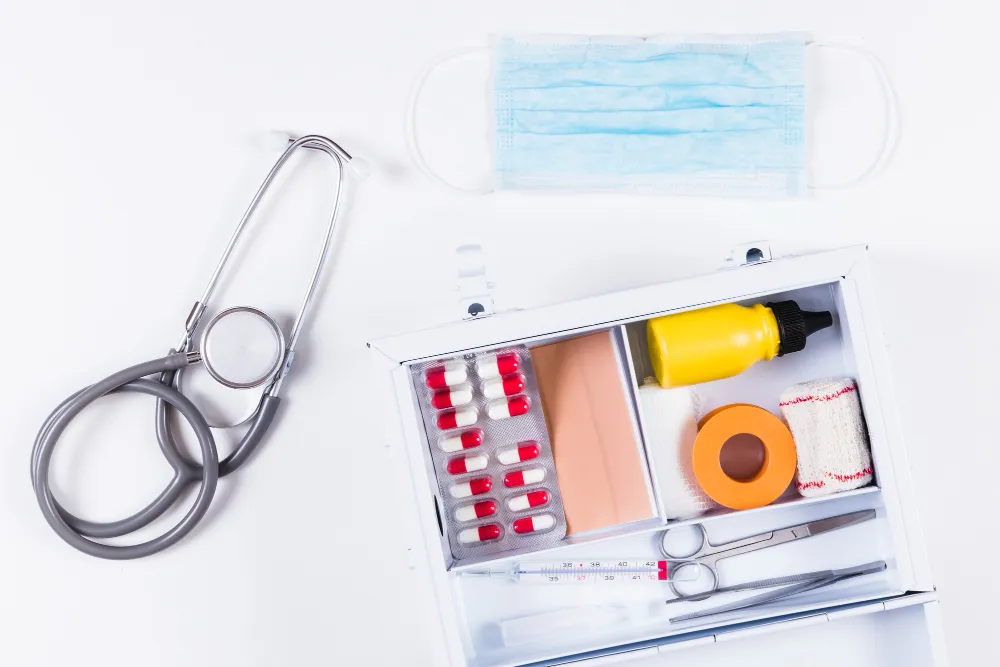
 When schools concentrate activities around holidays, the likelihood and complexity of emergencies—spanning acute medical incidents to weather-related disruptions—rises, making systematic preparedness, documented protocols, and demonstrable staff competency essential. ChildCareEd courses such as Pediatric First Aid & CPR (Blended) Buy Now
 $85.00$80.00 and Basic Health & Safety Buy Now $35.00 offer practical training and checklists educators can use to prepare.
How can educators prepare for emergencies during the holidays?
ChildCareED shares some key strategies for emergency preparedness for educators during the holidays:
-
Develop a Comprehensive Emergency Plan:
- Collaborate with school administration to create a detailed #emergency-response plan that addresses various scenarios, including medical emergencies, natural disasters, and lockdown situations. See how childcare centers can create effective emergency preparedness plans for templates and checklists.
- Ensure that all staff members are familiar with the plan and their specific roles during an emergency.
- Conduct regular drills to practice the plan, allowing staff and students to become comfortable with emergency procedures.
-
Update First Aid Kits:
- Regularly check and replenish first aid kits to ensure they are stocked with essential supplies, including bandages, antiseptics, and emergency medications.
- Consider including items specific to holiday activities, such as burn ointments for cooking-related injuries or allergy medications for festive gatherings.
-
Provide First Aid Training:
- Organize training sessions for educators on basic first aid and CPR techniques to enhance their preparedness. Consider ChildCareEd's Pediatric First Aid and CPR article for training options and links to courses.
- Encourage staff to obtain certifications in first aid and emergency response, ensuring they are equipped to act quickly in case of an incident. Read what child care providers should know about Child Care Health and Safety Training for state-aligned topics and renewal guidance.
-
Create a Communication Plan:
- Establish a clear communication protocol for emergencies, detailing how to contact emergency services and notify parents.
- Utilize technology, such as group messaging apps, to quickly disseminate information to staff and parents during an emergency.
 Buy Now
 $16.00$11.00
-
Assess Risks Associated with Holiday Activities:
- Identify potential hazards related to holiday events, such as cooking demonstrations, craft activities, or outdoor excursions.
- Implement safety measures to mitigate these risks, including ensuring proper supervision and providing safety gear when necessary.
-
Encourage Student Awareness:
- Teach students about emergency procedures and the importance of safety during holiday activities.
- Involve students in safety drills to foster a sense of responsibility and preparedness, empowering them to act appropriately in emergencies.
-
Prepare for Weather-Related Emergencies:
- Stay informed about weather forecasts and potential winter storms that could impact school activities.
- Have contingency plans in place for weather-related emergencies, including safe transportation options for students and protocols for school closures.
Which references support these recommendations?
What should be in a teacher's first aid kit?
What items should a comprehensive first aid kit include?
A comprehensive first aid kit should contain the following essential items: For a practical checklist and storage tips, see Got CPR and a Well‑Stocked First Aid Kit?
- Adhesive Bandages: Various sizes to cover minor cuts and scrapes.
- Sterile Gauze Pads: For larger wounds, including 3x3 inch and 4x4 inch sizes.
- Adhesive Cloth Tape: To secure gauze and dressings.
- Antiseptic Wipes: For cleaning wounds to prevent infection.
- Antibiotic Ointment Packets: To apply on cuts and scrapes to promote healing.
- Instant Cold Compress: Useful for reducing swelling and pain from injuries.
- Non-latex Gloves: To protect both the caregiver and the injured person.
- Tweezers: For removing splinters or debris from wounds.
- Scissors: To cut tape, gauze, or clothing if necessary.
- Emergency Blanket: To keep an injured person warm.
- Breathing Barrier: For performing CPR safely.
- First Aid Manual: Instructions on how to handle various emergencies.
- Personal Medications: Any specific medications that may be needed for individuals in the educational setting.
How do you maintain your first aid kit?
To ensure your first aid kit is always ready for emergencies, consider the following maintenance tips:
- Regular Checks: Schedule regular intervals (e.g., monthly) to check the contents of the kit.
- Expiration Dates: Monitor expiration dates on medications and supplies, replacing any that are out of date.
- Restock Used Items: After any use, promptly restock the kit to ensure it is complete.
- Personalization: Include personal items such as emergency contact numbers and specific medications for students or staff who may need them.
How can educators keep students safe during holiday and winter activities?
What general holiday safety tips should educators follow?
-
Dress Appropriately:
- Ensure that both you and your students are dressed in multiple layers to retain body heat. This includes thermal underwear, insulated jackets, and waterproof outer layers.
- Use hats, gloves, and scarves to protect extremities, which are particularly susceptible to cold-related injuries.
-
Monitor Weather Conditions:
- Stay updated on local weather forecasts and adjust outdoor activities accordingly. Limit outdoor playtime during extreme cold or windy conditions.
- Schedule regular breaks indoors to allow students to warm up and check for any signs of discomfort. Buy Now
$16.00$11.00
-
Educate Students on Cold Weather Safety:
- Teach students to recognize early signs of frostbite, such as numbness or tingling in fingers and toes. Encourage them to communicate any discomfort immediately.
-
Stay Hydrated and Nourished:
- Remind students to drink warm fluids and maintain a balanced diet to help sustain body heat and energy levels during outdoor activities.
-
Ensure Safe Outdoor Activities:
- When engaging in winter sports or activities, ensure that all equipment is safe and appropriate for the age group. Supervise students closely to prevent accidents. Buy Now
$16.00$11.00 For perspective on why training is essential for every program, see Be the Difference: Why First Aid & CPR Training Should Be Mandatory.
- When engaging in winter sports or activities, ensure that all equipment is safe and appropriate for the age group. Supervise students closely to prevent accidents.
What first aid knowledge is essential for winter activities?
-
Recognizing Frostbite Symptoms:
- Be aware of the signs of frostbite, which can include:
- Cold skin with a prickling sensation.
- Redness or pain in the affected area.
- Numbness and pale, gray, or waxy skin.
- Hard or frozen skin in advanced cases.
- Be aware of the signs of frostbite, which can include:
-
Immediate First Aid for Frostbite:
- If frostbite is suspected, take the following steps:
- Move the affected person to a warmer environment.
- Remove any wet clothing.
- Gradually warm the frostbitten area using body heat or warm (not hot) water (100°F to 105°F).
- Avoid rubbing or massaging the area to prevent further tissue damage.
- Encourage hydration with warm fluids.
- Seek medical attention if symptoms persist or if severe frostbite is evident.
- If frostbite is suspected, take the following steps:
-
CPR Techniques:
- Familiarize yourself with basic CPR techniques, as emergencies can occur at any time. Knowing how to respond can save lives:
- For children aged 1-8, perform chest compressions at a depth of 1.5 to 2 inches at a rate of 100-120 compressions per minute, followed by rescue breaths.
- For infants under 1 year, use two fingers for compressions and provide gentle breaths covering both mouth and nose.
- Familiarize yourself with basic CPR techniques, as emergencies can occur at any time. Knowing how to respond can save lives:
Summary: What are the key takeaways for holiday emergency preparedness?
To mitigate holiday and winter-season risks, programs should implement three interdependent measures: 1) maintain an up-to-date, individualized first-aid kit accompanied by a documented inventory system; 2) require staff to complete pediatric first aid/CPR and basic health & safety training, record completions, and verify competency through supervised skills checks; and 3) regularly rehearse and sustain an emergency operations plan that explicitly addresses weather contingencies, parent-communication protocols, and safe-transport procedures. Use state-aligned, hands-on courses for training, retain authoritative references (for example, the American Red Cross guidance and your state's OEM toolkit), and validate procedures with brief, age-appropriate drills. Maintain current program records and designate staff leads responsible for equipment, drills, and parent notifications. Together, these measures reduce risk while preserving the celebratory benefits of holiday activities for children and families. #CPR #firstaid #safety #frostbite #preparedness.
- Health, safety and nutrition
- Curriculum
- Child development
- Website Articles
- Mental Health
- Family Child Care Providers
- Preschool Educators
- CPR
- Child development
- Infant/ Toddler Educators
- Community and Family
- Curriculum and Environment
- Health, safety and nutrition
- Families
- Social/Emotional
- Content Areas
- Health and Safety
- Child Development
- School-Age Providers
- Stay Alert! Steps for Emergency Prep
- Emergency Preparedness and Response Planning Resulting from a Natural or Man-Made Event
- Emergency and Disaster Preparedness
- Adult Only CPR AED and Adult First Aid Blended
- Adult/Child CPR AED and Adult First Aid Blended
- Emergency Preparedness and Response Planning Resulting from a Natural or Man-Made Event
- Pediatric RSV First Aid & CPR/AED
- Adult First Aid Only - Blended
- Texas Director Credential
- D.C. Emergency Preparedness Training
- Life in the Fast Lane: Why First Aid Training & CPR is Critical for Those Working With Children
- Pediatric First Aid and CPR Training with ChildCareEd - Empower Yourself!!
- Deck the Halls with Emotional Wellness: Family Traditions That Foster Connection
- What Parents and Educators Need to Know About Child Safety
- ¿Cómo pueden los equipos de cuidado infantil practicar habilidades rápidas de primeros auxilios en situaciones reales?
- Emergency Preparedness in North Dakota Child Care: What to Have, Practice, and Document
- Emergency Preparedness in Wisconsin Child Care: What to Have, Practice, and Document
- Emergency Preparedness in North Carolina Child Care: What to Have, Practice, and Document
- How Should North Dakota Childcare Programs Handle Medical Emergencies?
- How can Michigan providers help children stay calm during severe weather?
- How can Nevada home-based providers survive 72 hours of wildfire smoke, flooding, heat, and service interruptions?
- How can childcare centers create effective emergency preparedness plans?
- First Aid Scenarios for Child Care Staff: 10 “What Would You Do Next?” Challenges
- Pediatric First Aid for Teachers: Are Your Skills Still Fresh When an Emergency Happens?
