What does it mean to be “licensed” in child care?
A child care license authorizes an individual or program to provide care for children and places that operation under the ongoing oversight of a state or local licensing authority, thereby establishing baseline regulatory expectations such as safe sleep protocols, sanitation and health rules, adult background checks, required training for caregivers, and child-to-staff ratios. If you are preparing for licensure, consider ChildCareEd's CDA Introduction  Buy Now $0.00 and the 24 Hour Family Child Care Pre-Service Training Buy Now $299.00, which address foundational competencies commonly required in pre-service orientation and registry documentation.
- Safe #sleep and #safe spaces
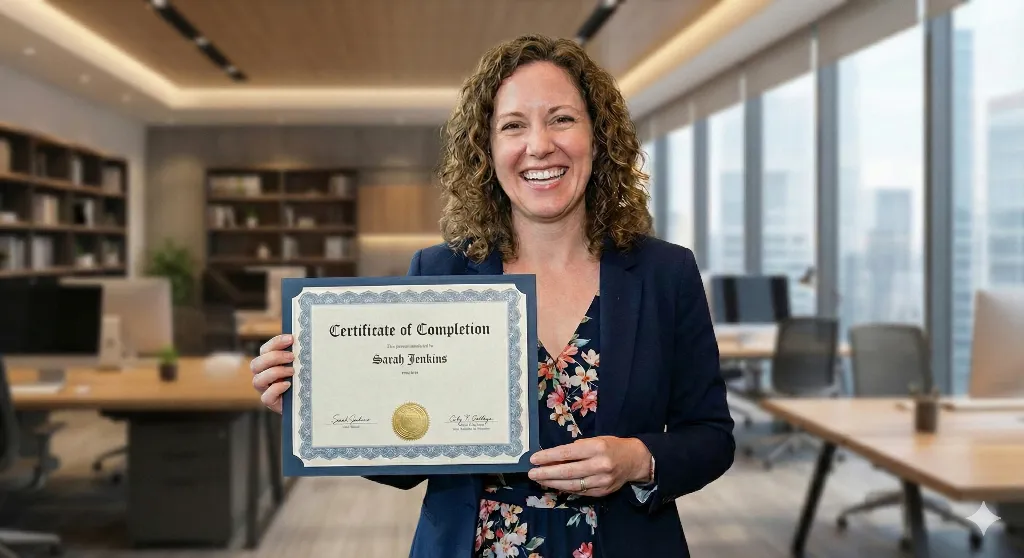
- Cleanliness and #health rules
- Background checks for adults
- Training hours for caregivers and #teachers
- Child-to- #staff ratios (how many children per adult)
Certain small programs may be “license-exempt,” but exemptions are determined by state regulations and by the number and ages of children served; if you intend to accept payment for care, verify your jurisdiction's rules early in the planning process.
Do I want to be a child care provider, a teacher, or both?
Before you begin, choose the path that matches your goals.
You may be a good fit for a licensed child care provider if you want to:
- Run a child care program in your #home
- Open your own child care #center one day
- Set your own schedule and build your business
You may be a good fit for a child care teacher if you want to:
- Work with a team in a center or school program
- Lead learning activities and #classroom routines
- Grow into roles like #lead teacher or director
Many practitioners follow both pathways over time; for example, one might begin as a center-based teacher and subsequently open a family child care home to operate as a licensed provider.
How do I become a licensed child care provider in my state?
Licensing requirements vary by jurisdiction; however, most application pathways share common elements. To navigate your state's specific expectations, consult your state child care licensing agency and the state-focused guides below that summarize typical documentation and contacts:
See our state guides for California, Alaska, and Virginia for examples of how licensing agencies present requirements and application steps.
- Step 1: Find your licensing agency.
Look for your state’s “child care licensing” website or office. - Step 2: Pick your program type.
Examples include family child care home, group home, or child care center. - Step 3: Complete required training.
Many states require #health-and- #safety training before you apply. - Step 4: Complete #background-checks.
This may include fingerprints and checks for anyone living in the home. - Step 5: Get CPR/First Aid (if required).
Many states require pediatric CPR/First Aid. - Step 6: Prepare your space.
This can include safety gates, smoke detectors, #safe-sleep setups, and more. - Step 7: Apply and pass inspections.
An inspector may visit your home or center before you can open.
If you’d like a clear example of how one state explains licensing, read this ChildCareEd article:
Child Care Licensing in Texas: What You Need to Know to Stay Compliant.
How can I confirm a ChildCareEd course will meet my state’s licensing or registry requirements?
Because regulatory expectations differ by role and setting, verify compliance methodically. Take the following steps to assess whether a ChildCareEd course is appropriate for your licensing, registry, or employer requirement:
- Identify the exact requirement. Locate the licensing or registry guidance for your program type and role; record required contact hours, topic areas, and whether online or self-paced training is permitted.
- Compare course content and length. Review the ChildCareEd course syllabus for covered topics, contact hours, and the certificate issued; note alignment and any gaps.
- Confirm with the agency or registry. Provide the licensing specialist or registry with the course title, duration, and certificate sample to determine acceptance and whether pre-approval is necessary.
- Maintain documentation. Retain course certificates, syllabi, and receipts to support applications or inspections; documentation expedites dispute resolution if a course's acceptability is questioned.
For practical, state-focused guidance see these ChildCareEd articles that walk through local requirements and next steps for different states: How Do I Get Started Becoming an Early Childhood Teacher in Oklahoma?, Earning Your CDA in California, Start Teaching in Alaska, Tiny Learners, Big Impact (Minnesota), and How to Become a Child Care Director in Virginia. These guides show typical documentation, training blocks, and registry contacts that make verification straightforward.
Following these steps helps you select courses that most reliably support licensing or registry goals and avoids surprise gaps when you apply or during inspection.
How do I become a child care teacher (or lead teacher)?
Many child care teachers start by meeting basic job requirements and then building skills with training and credentials.
Common steps include:
- Meet age and education requirements (often a high school diploma or GED)
- Complete required pre-service training
- Learn about child #development, guidance, and #classroom-safety
- Work toward a credential (like a CDA) if your role or state requires it
High-quality training underpins classroom confidence, strengthens family partnerships, and enhances a caregiver's ability to support children across developmental stages.
Which ChildCareEd courses can help me start today?
Here are 3 ChildCareEd courses that match the “provider or teacher” path and are listed in the full course catalog:
- Start with the basics (Free):

CDA Introduction Buy Now $0.00
This is a great first step if you are new and want to understand what CDA training is and how it can help your #career. - Build strong teaching skills:
Early Childhood Education
Buy Now $99.00$84.00This course supports key skills like guiding children, partnering with families, and creating learning environments. - Get ready for family child care licensing and pre-service hours:
24 Hour Family Child Care Pre-Service Training ONLINE
Buy Now $299.00This option can help you complete a larger block of training hours often needed for getting started as a provider.
Tip: If you are not sure what your state accepts, check your licensing or registry rules first, then choose courses that match those topics and hours.
What #free ChildCareEd resource can keep me organized?
When you’re working toward a credential or professional goal, it helps to have a simple checklist.
Try this free resource:
CDA Next Steps Tracker Buy Now $0.00.
It’s helpful if you finish training and want to know what to do next (like paperwork, scheduling, and staying on track).
What should I do this week to move forward?
If you prefer an actionable plan, adopt this concise checklist to generate momentum:
- Define your professional objective: provider or teacher.
- Obtain your jurisdiction's licensing or registry guidance and record the specific requirements (training hours, accepted delivery formats, background-check expectations, pediatric CPR/First Aid).
- Assemble essential documents: training certificates, government identification, education records, and a written safety plan for your care space.
- Enroll in and complete a relevant training course that corresponds to the documented requirements.
- Consolidate all certificates and receipts, maintain both digital and paper copies for inspections or applications.
Consistent, planned progress—for example, dedicating thirty minutes each day to coursework, documentation, or program planning—produces measurable advancement in competence and readiness for licensing or classroom leadership.
Where can I get support and ideas along the way?
Learning feels easier when you’re not alone. Follow ChildCareEd for tips, updates, and training info.
- Subscribe on YouTube: Child Care Ed
You’ll find helpful videos made for providers and teachers—follow today so you don’t miss new training tips and ideas.
If your goal is to become licensed or start teaching soon, the best time to begin is now. Pick one clear next step, and let ChildCareEd support you as you grow into your new role.
Summary: What are the next steps to become a provider or teacher?
Decide whether you will pursue the provider or teacher path, confirm the specific training, background checks, and documentation your state requires, and begin one course that matches those requirements. Keep certificates and a simple checklist (for example, the CDA Next Steps Tracker) in a single folder. Reach out to your state licensing specialist or registry to verify acceptance of online or self-paced training before you rely on any single course for compliance. With consistent short-term goals—such as completing one required course and gathering identification and training certificates—you can demonstrate readiness for inspection, employment, or registry advancement.
- SIDS: Saving Babies: A Change of Position, A Change in Tradition
- CDA Family Child Care Credential
- Open Ears: Listening in Child Care
- Birth to Five CDA Credential with Portfolio Review
- CDA Family Child Care Credential with Portfolio Review
- Pediatric RSV First Aid & CPR/AED
- CDA Bridge Bundle: Family Child Care
- 24 Hour Texas Pre-Service
- Texas Director Credential
- ¿Qué Se Necesita para Comenzar una Guardería en Casa en Texas?
- Normas de Licenciamiento de Cuidado Infantil en Virginia para Centros Diurnos Infantiles y Hogares Diurnos Familiares
- Lista para Guardería en Casa en Texas: Cómo Iniciar una Guardería en el Hogar
- Cómo Trabajar en el Cuidado Infantil en California: Requisitos y Pasos
- In-Home Daycare Requirements in Texas
- Online Child Care Courses in Nevada: Training Made Simple
- How to Become a Licensed Childcare Provider in Texas
- How to Become a Licensed Childcare Provider in Georgia
- Free CDA Training in Maryland: Funding Help for Child Care Providers
- How to Get Free CDA Training in Texas Through Workforce Funding
- Starting an In-Home Daycare in Texas: Requirements and Tips
- How do I open a day care in Texas as a beginner early educator?
- Texas Home Daycare Licensing Standards
- How Many Kids Can You Watch Without a License in Texas?
- How Many Kids Can You Watch Without a License in Wisconsin?
- Grants for In-Home Daycare Providers: Do You Have to Be a Nonprofit to Qualify?
- Unlicensed Home Daycare: When Does Watching a Few Kids Become a Child Care Business?
