Sign in to download Create a free account
This resource is free. Sign in and you'll come straight back here to download it.
Description
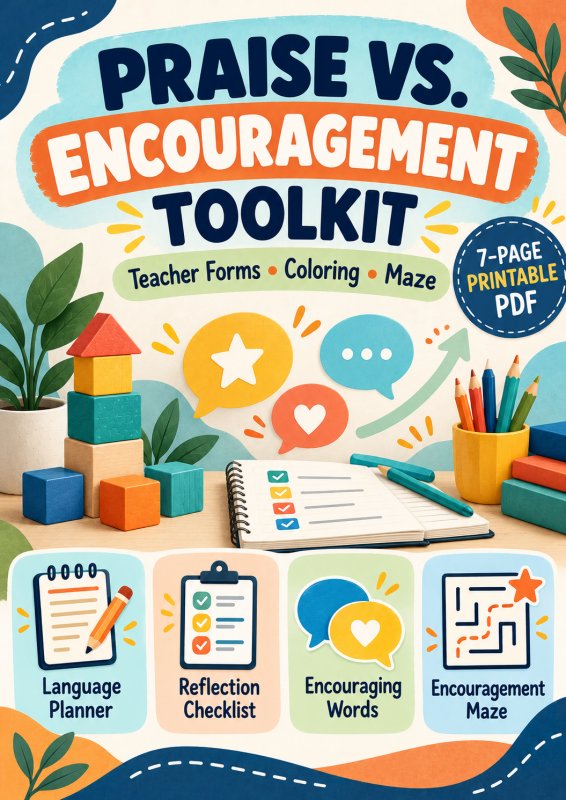
Help children build confidence, recognize their efforts, and develop a positive attitude toward learning with this 7-page Praise vs. Encouragement Toolkit!
Designed for school-age childcare providers, elementary teachers, and after-school educators, this printable resource combines professional planning tools, teacher reflection checklists, and engaging activities to help distinguish between praise and encouragement.
What's Included:
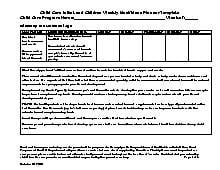
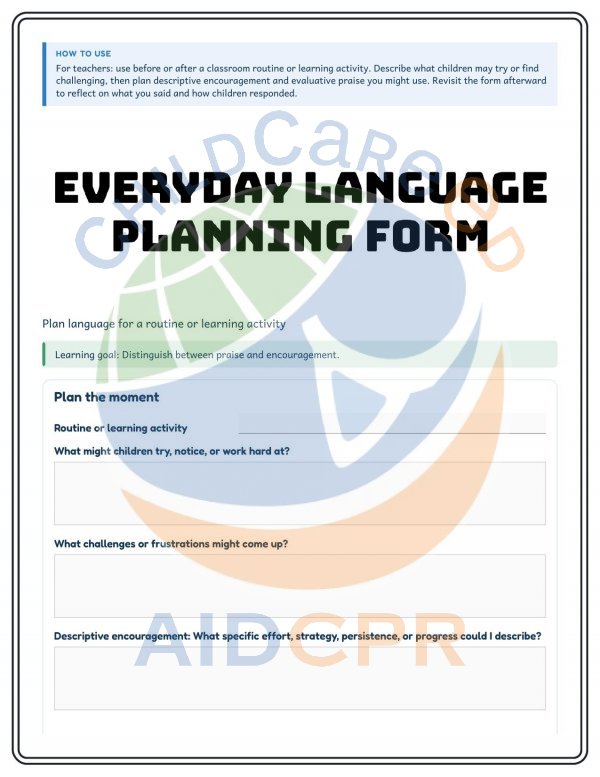
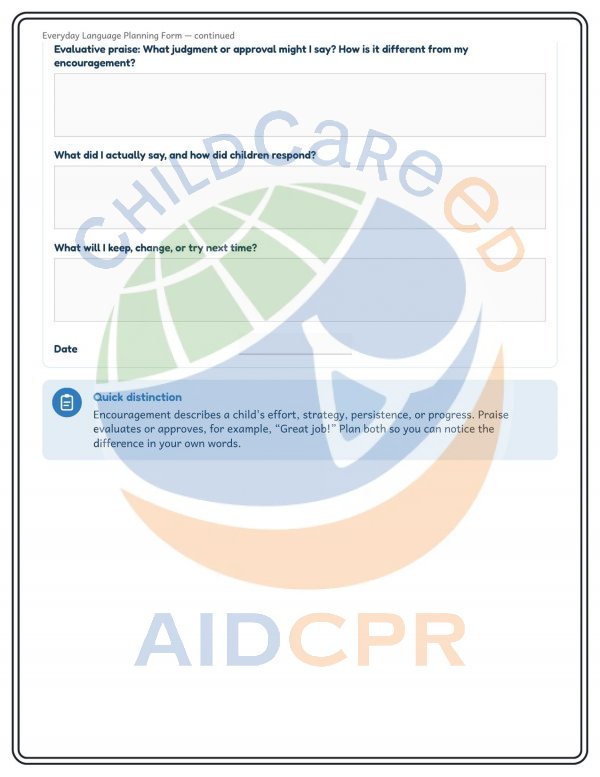
- Everyday Language Planning Form (2 pages): A reusable teacher planning tool for preparing encouraging statements during classroom routines and learning activities. Helps educators recognize children's effort, strategies, persistence, and progress while reflecting on the difference between descriptive encouragement and evaluative praise.
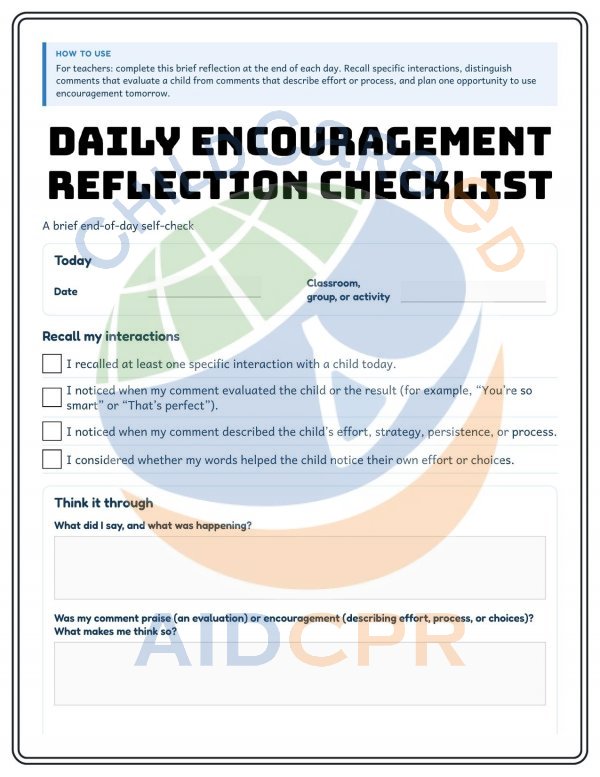
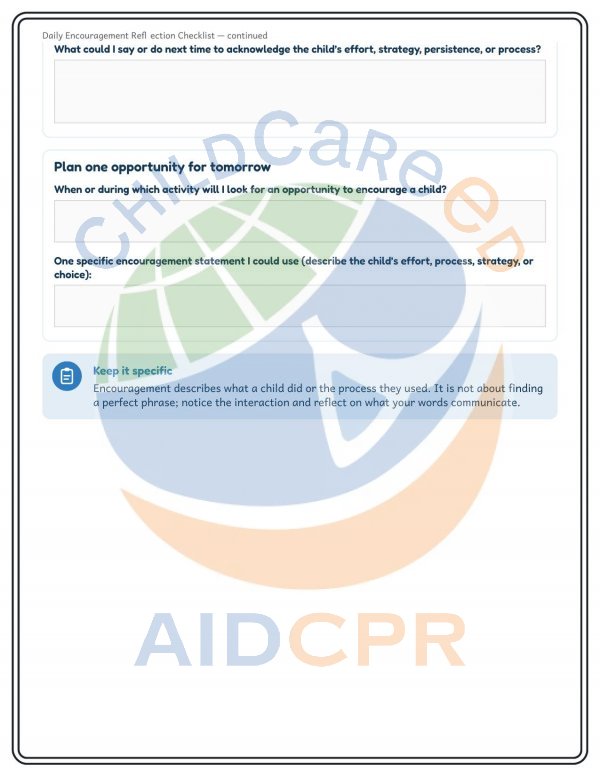
- Daily Encouragement Reflection Checklist (2 pages): A professional self-reflection tool for reviewing everyday teacher-child interactions, identifying examples of praise and encouragement, and planning more meaningful feedback.
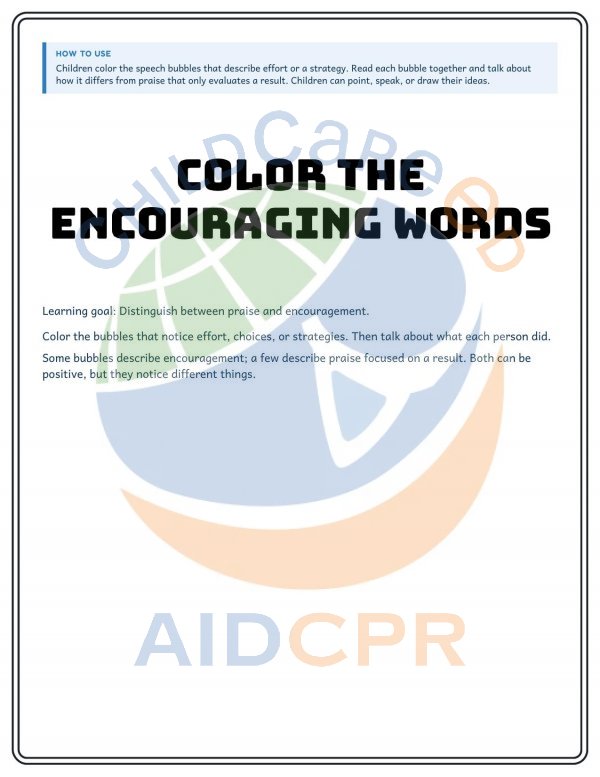
- Color the Encouraging Words (2 pages): An interactive coloring and discussion activity where children identify speech bubbles that recognize effort, choices, and strategies rather than simply evaluating results. Includes opportunities for children to share their own encouraging statements.
- Help the Helper Find the Encouragement (1 page): A printable maze featuring a block-building challenge. Children navigate toward an encouraging statement that recognizes persistence and problem-solving.
Perfect For:
- School-age and elementary classrooms
- After-school childcare programs
- Positive behavior guidance
- Social-emotional learning activities
- Teaching encouragement and positive communication
- Supporting persistence and problem-solving
- Teacher professional development and reflection
- Classroom coloring and maze activities
- Small-group learning and discussions
Why Educators Will Love It:
The words educators use can influence how children understand their efforts, challenges, and accomplishments.
This toolkit helps teachers recognize the difference between praise that evaluates an outcome and encouragement that acknowledges a child's effort, learning strategies, persistence, and progress.
With practical planning and reflection tools alongside child-friendly activities, educators can make positive feedback more intentional while helping children recognize the value of their own learning experiences.
Related Training(s)

Other items you may like