Latest Blog & News in English
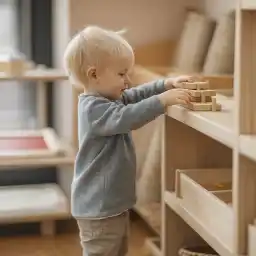
How Can North Dakota Providers Encourage Independence in Young Children?
07/09/2026You care about helping young children try new things, feel proud, and do small tasks on their own. This guide gives practical, simple steps that North Dakota child care providers and directors can use today. Read the ideas, pick one change to try, and share wins with your team. Remember: state requi... How Can North Dakota Providers Encourage Independence in Young Children?

How to Know When a Child Is Ready for Toilet Training
07/20/2026Toilet training is an important milestone, but every child reaches it at a different pace. The key is creating calm, predictable routines that help children feel safe, confident, and supported. ChildCareEd’s Every Moment Matters: Schedules and Transitions self-paced online course can help educ... How to Know When a Child Is Ready for Toilet Training

Toddler Toilet Readiness Checklist for Parents and Teachers
07/20/2026Toilet learning is not about reaching a certain age—it is about recognizing when a toddler is physically, emotionally, and developmentally ready. ChildCareEd’s free Potty Training Readiness Checklist gives parents and teachers a practical way to observe readiness signs, compare notes, an... Toddler Toilet Readiness Checklist for Parents and Teachers

How Can Early Childhood Providers Understand and Use Temperament in Infants and Toddlers?
07/21/2026Curious about why two infants in the same room respond so differently to the same routine? Understanding a child’s temperament gives you practical clues to reduce upset, improve learning, and strengthen family partnerships in infant/toddler care. Start by exploring ChildCareEd’s Positive... How Can Early Childhood Providers Understand and Use Temperament in Infants and Toddlers?

How Can Thoughtful Design Create Calm Classrooms?
07/21/2026How Can Thoughtful Design Create Calm Classrooms? Struggling with noisy transitions, frequent meltdowns, or a room that feels chaotic despite your best efforts? Thoughtful classroom design reduces triggers and supports children's self-regulation so educators can teach more and manage less. If you w... How Can Thoughtful Design Create Calm Classrooms?

How can we create calm-down spaces that truly support children?
07/16/2026A well-designed calm-down space gives children a safe, respectful place to practice calming their bodies, identifying emotions, and preparing to rejoin classroom activities. This article gives child care directors and providers practical steps for choosing a quiet location, selecting simple sensory ... How can we create calm-down spaces that truly support children?

How can child care teams best support children during tantrums and emotional outbursts?
07/16/2026Tantrums and emotional outbursts are common signals that a young child needs adult support to manage emotions, communicate needs, or cope with stress. This article gives child care providers and directors practical, evidence-informed strategies for identifying triggers, reducing escalation, maintain... How can child care teams best support children during tantrums and emotional outbursts?

How can child care programs encourage healthy risk-taking and new experiences?
07/16/2026Healthy risk-taking gives young children opportunities to test their abilities, solve problems, build confidence, and discover what they can do. This article gives child care directors and providers practical strategies for encouraging developmentally appropriate challenge without exposing children ... How can child care programs encourage healthy risk-taking and new experiences?

Can Group Projects Build a Strong Classroom Community?
07/16/2026Group projects can feel messy at first, but when they are planned intentionally, they become powerful opportunities for social learning, shared responsibility, and lasting relationships. This article gives child care directors and providers practical, research-informed strategies for designing, faci... Can Group Projects Build a Strong Classroom Community?
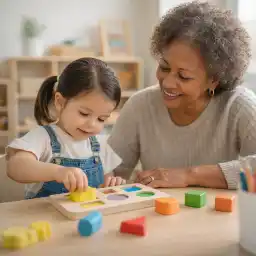
How Can Intergenerational Learning Between Children and Older Adults Improve Early Childhood Practice and Community Well‑Being?
07/21/2026Curious how bringing young children and older adults together can lift learning, behavior, and community ties? Thoughtfully run intergenerational programs reduce social isolation, teach social‑emotional skills, and give children rich, real‑world language practice — while giving older adul... How Can Intergenerational Learning Between Children and Older Adults Improve Early Childhood Practice and Community Well‑Being?
