Latest Blog & News in English

What should child care programs consider when returning to the classroom?
03/09/2021Returning to classrooms after months of remote operation raises practical and clinical questions for families and professionals alike. Directors and staff must balance developmental needs with infection control, daily screening, and clear communication. Two essential courses that prepar... What should child care programs consider when returning to the classroom?

How should your Minnesota childcare program respond if a child was exposed to measles?
06/17/2026When a child in your Minnesota program is exposed to measles, quick, calm steps keep children safe and parents informed. This short guide helps directors and providers know what to do first, who is at risk, when to give post-exposure shots, and how to handle exclusion, cleaning, and reporting. For g... How should your Minnesota childcare program respond if a child was exposed to measles?

Can Dance Support Young Children's Physical and Emotional Development?
07/28/2026Looking for a practical, research-aligned strategy to build both gross motor skills and emotional regulation in your classroom? Dance and structured movement activities are versatile, low-cost ways to help #preschoolers practice balance, self‑control, social interaction, and expressive language&md... Can Dance Support Young Children's Physical and Emotional Development?

Supporting Social Relationships Among Young Children
07/30/2024In the #early years of life, children’s #development is profoundly shaped by their interactions with others. Child care settings play a crucial role in nurturing these early social relationships, laying a foundation for emotional well-being, cognitive #growth, and lifelong social competence. H... Supporting Social Relationships Among Young Children

What small changes make child care classrooms feel more welcoming?
07/17/2026Small, intentional adjustments can shift a room from functional to inviting. For busy directors and providers, knowing which low-cost, high-impact moves to try first is essential. This article offers practical, research-informed ideas you can test this week to create a more #welcoming, #inclusive ... What small changes make child care classrooms feel more welcoming?
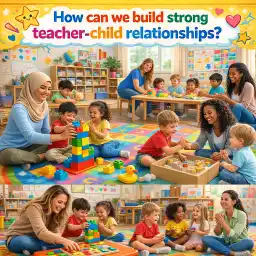
How can we build strong teacher-child relationships?
05/05/2026Strong relationships between adults and children make classrooms calmer, kinder, and better places to learn. This article gives practical steps you can use every day to grow connections that help children try new things, manage big feelings, and learn. You will see simple habits, ways to support e... How can we build strong teacher-child relationships?

How can we encourage good behavior while building children's confidence and emotional skills?
07/16/2026Early childhood programs that teach both behavior and emotion skills create classrooms where children feel safe, seen, and capable. This article gives practical, research-informed steps you can use tomorrow to reduce challenging moments while strengthening each child’s #confidence and #emotion... How can we encourage good behavior while building children's confidence and emotional skills?

How can Florida early childhood educators show professionalism while working with children and families?
05/19/2026Working in early childhood in Florida means you wear many hats. You teach, keep kids safe, talk with families, and keep records. This article gives simple, useful tips you can use today. It is for directors and child care providers who want practical ideas to be professional and build strong ... How can Florida early childhood educators show professionalism while working with children and families?

How Can Minnesota Providers Reduce No-Shows and Late Pickups?
06/30/2026Many Minnesota child care leaders face the same problem: families who don’t show up or who pick up late. This article gives simple, practical steps you can use this week to cut no-shows and late pickups. It is written for directors and #providers who want clear policies, kinder communication, ... How Can Minnesota Providers Reduce No-Shows and Late Pickups?
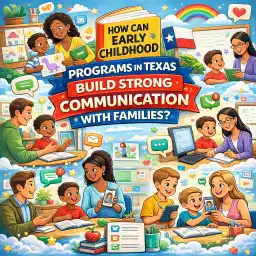
How can early childhood programs in Texas build strong communication with families?
05/15/2026Strong communication helps children learn, and families feel welcome. This short guide is for Texas child care directors and providers. It shows easy steps you can use every day to build a clear, kind, and helpful relationship with families. You will find quick routines, scripts for hard talk... How can early childhood programs in Texas build strong communication with families?
