Latest Blog & News in English
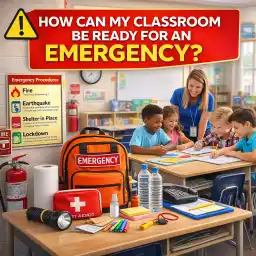
How can my classroom be ready for an emergency?
05/05/2026Every child care classroom needs a clear plan so adults can keep kids safe when something unexpected happens. This short guide helps directors and providers build a plan, practice it, talk to families, and keep supplies ready. Use the ideas below with your program rules — state requirements ... How can my classroom be ready for an emergency?
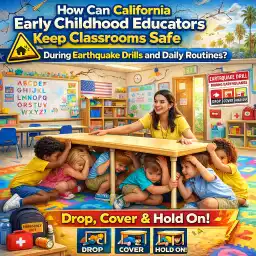
How Can California Early Childhood Educators Keep Classrooms Safe During Earthquake Drills and Daily Routines?
05/07/2026Every day you care for young children, and you want them to be safe if the ground shakes. This guide gives simple, practical steps that California #early childhood teachers and directors can use during earthquake drills and in daily routines. Put plans on the wall, practice often, and keep supplies ... How Can California Early Childhood Educators Keep Classrooms Safe During Earthquake Drills and Daily Routines?

Emergency Preparedness in Illinois Child Care: What to Have, Practice, and Document
04/29/2026Keep practicing, keep documenting, and thank you for keeping children safe. As a director or provider in Illinois, you keep children safe every day. This short guide helps you build a clear plan for emergencies: what to have, how to practice it, and what to write down. It uses simple steps you ca... Emergency Preparedness in Illinois Child Care: What to Have, Practice, and Document

How can child care programs support children during extreme weather events?
07/21/2026Extreme weather—heat waves, wildfires, storms, or sudden cold snaps—creates real risks for young children and real decisions for child care leaders. Want a clear, practical path to protect children, reduce staff confusion, and meet program training goals? Start by strengthening your emer... How can child care programs support children during extreme weather events?

How can I develop effective emergency leadership procedures for my childcare program?
07/28/2026Every director needs a practical, practiced system so staff can act quickly and calmly when an emergency strikes. Building clear emergency leadership procedures turns uncertainty into coordinated action, protecting children, supporting #staff, and speeding #reunification. A helpful next step is Chil... How can I develop effective emergency leadership procedures for my childcare program?

NYC Roadmap: Your Early Childhood Education Journey in the Heart of New York City
05/15/2025In the bustling and diverse landscape of New York City, a CDA can open doors to numerous opportunities in #early-childhood-education, from #preschools to Head Start programs and family childcare settings. This nationally recognized credential signifies a professional's competence in working with you... NYC Roadmap: Your Early Childhood Education Journey in the Heart of New York City

How Can New York Educators Strategically Plan Their 30 Hours of Training
06/27/2025For New York’s #early-childhood- #educators, the requirement to complete 30 hours of training every two years can feel like either a compliance task or a powerful opportunity for growth. Intentionally pairing course pathways such as Mastering Supervision: Keeping Children Safe in All Settings ... How Can New York Educators Strategically Plan Their 30 Hours of Training

Aspire Registry Courses
03/20/2023In the ever-evolving field of childcare, continuous learning and professional #development are paramount. Childcare providers in New York understand the significance of staying up-to-date with the latest practices and approaches in #early-childhood education. One of the key players in this arena i... Aspire Registry Courses

What Professional Development Opportunities Does the New York EIP Scholarship Cover?
06/14/2025Is financial assistance the only thing standing between you and advancing your #career-in-early-childhood-education? For educators across New York State, the Educational Incentive Program (EIP) offers a significant opportunity to pursue professional development goals without the burden of tuition ... What Professional Development Opportunities Does the New York EIP Scholarship Cover?

Early Childhood Administration Certificate Online: Will It Qualify You to Be a Director?
08/26/2026Could an online early childhood administration certificate move you into a director role—or leave an important requirement unmet? The answer depends on your state, facility type, education, experience, and the exact credential being offered. To build practical skills in planning, budgeting, st... Early Childhood Administration Certificate Online: Will It Qualify You to Be a Director?
