When flash #floods happen, water can move faster than families can arrive. This short guide helps Washington, DC child care providers plan safe, quick moves so children stay calm and cared for. You will find simple steps, checklists, and links to trusted tools from ChildCareEd and public agencies.
Key words: #reunification #evacuation #GoBag #children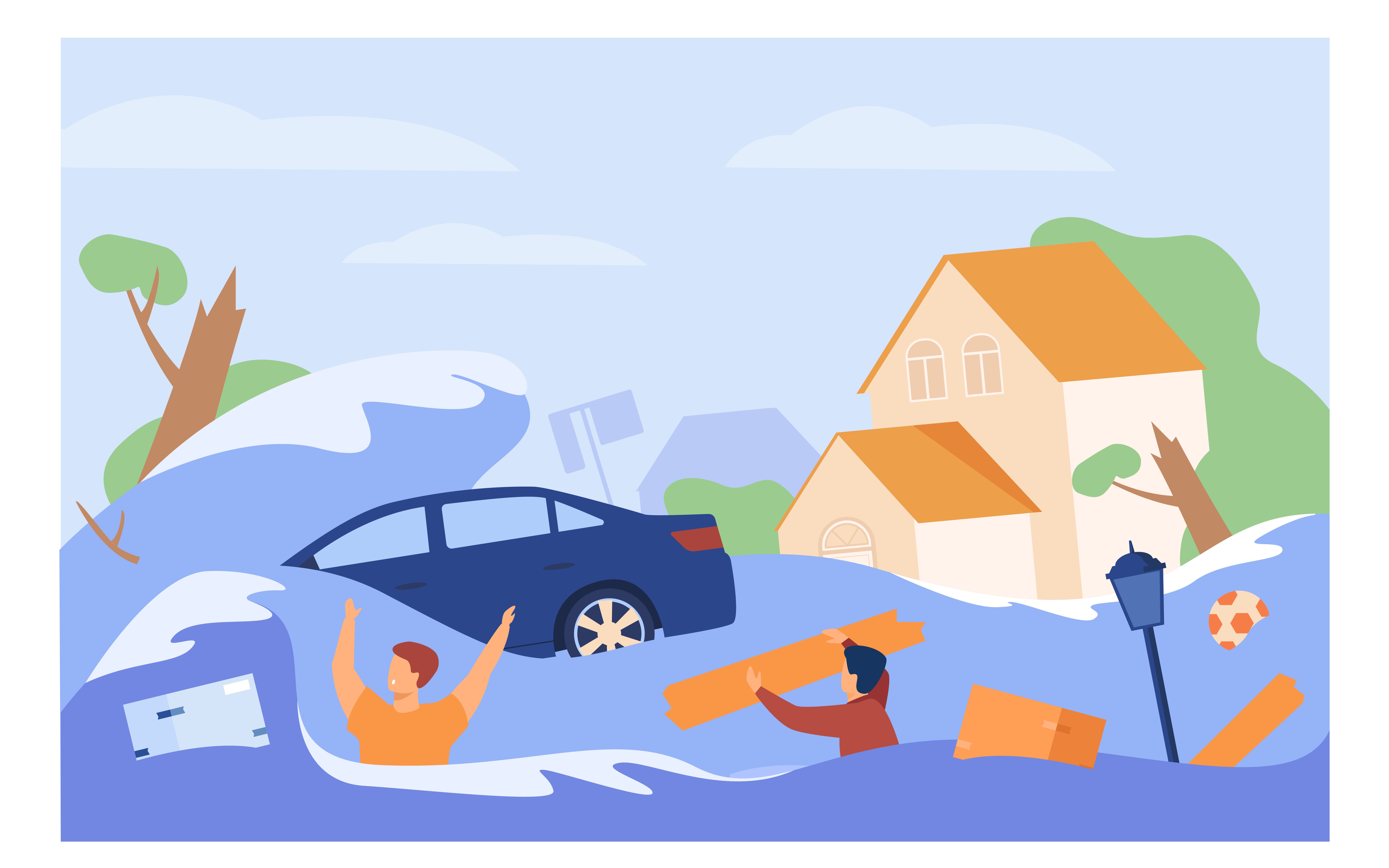
Why does this matter for DC providers?
2. Children are more at risk. They cannot move quickly by themselves and need help to stay safe. Planning helps your staff act calmly and protect kids until families can get there. The CDC also stresses fast reunification after emergencies.
3. Licensing, families, and your program rely on you. Good plans build trust with parents and meet rules. For how to write clear, simple plans, see ChildCareEd guidance on emergency planning: Emergency Preparedness in Child Care.
Why it matters: Quick, practiced plans save time and reduce panic. If your program can move children faster than water moves in, you protect lives and help families feel confident that you can lead in a crisis.
What should a safe relocation plan include?
- 🧭 Evacuation routes: primary and two alternates. Mark which doors and paths may flood first.
- 🎒 Grab list and Go-Bags: attendance roster, meds, copies of emergency consents, water, snacks, blankets, and a charged phone power bank. ChildCareEd has a clear Go-Bag checklist you can copy: Emergency Preparedness Plans for Child Care Programs.
- 👥 Staff roles: who leads, who grabs meds, who counts children, who communicates with families, and 911.
- 📍 Relocation sites: indoor shelter spots and off-site meetup points. Pick a nearby location that is on higher ground. Have a further backup in case the roads flood.
- 📱 Communication plan: who calls families and how. Use multiple channels (phone, text, social media) and a pre-written message for speed. Washington DC has an Emergency Alert System plan you can link with: WDC EAS Plan.
Remember: state requirements vary - check your state licensing agency. For sample forms and training, ChildCareEd offers templates and courses to help you write short, useful plans: Emergency Preparedness Training.
What do we do if the flood is faster than the pickup time?
- 🔔 Activate your plan and assign roles. Announce the relocation quietly and clearly to children.
- 🚨 Gather essentials in this order: attendance roster, medication, emergency forms, and Go-Bag. Put the Go-Bag by the door so it travels with you.
- 🏃 Move to higher ground or your pre-chosen off-site location using the safest route. If roads look wet or moving, do not walk through floodwater. The Disaster Center and NOAA remind us: one foot of moving water can knock people down, and two feet can carry a car away.
- ✅ Count the children at three points: before leaving, at the assembly spot, and before release to families. This reduces confusion when roads or phones are busy.
- 📞 Contact 911 for rescue help if needed. Then send your pre-written family message with location and next steps. Use multiple ways to reach families.
Practice this exact order during drills so the staff builds muscle memory. FEMA and ChildCareEd stress drills and role practice. See FEMA guidance and ChildCareEd course resources: FEMA Preparedness for Childcare Buy Now $0.00.
How will reunification and family communication work?
Reunification is the part that brings children back to their families. Plan this before an emergency so parents know what to do.
- 📋 Have signed pickup permission forms and at least two emergency contacts for each child. Keep copies in waterproof sleeves in your Go-Bag.
- 🧾 Use a simple numbering system at the reunion site so identification is quick (example: family gives a secret code or shows ID, staff check the list, and sign out the child).
- 📣 Use one staff person to manage family arrivals and one to keep the group of children safe. This prevents mistakes and helps calm kids.
- 📢 Tell families where to meet and what to bring (ID, note from the other parent if needed). Share reunification steps in enrollment packets and on your website.
- 📲 Keep records of who you released and when. This helps licensing and emergency teams after the event.
CDC highlights that fast reunification helps children recover. For specific reunification tools and ideas, see CDC reunification guidance: CDC on Reunification, and ChildCareEd templates for reunification steps: ChildCareEd plans.
How can we avoid common mistakes?
- ❌ Not updating contact info — ✅ Fix: check contacts monthly and at enrollment.
- ❌ Go-Bags out of reach — ✅ Fix: store a labeled bag near every exit.
- ❌ No clear staff roles — ✅ Fix: post a one-page role chart in each room.
- ❌ Skipping drills — ✅ Fix: run short drills quarterly and debrief for fixes.
ChildCareEd recommends short, regular practices and role refreshers to avoid these errors: Creating and Practicing Safety Protocols.
Conclusion and quick FAQ
Keep it simple: 1) plan short steps, 2) pack Go-Bags, 3) assign roles, 4) practice often. Your calm leadership keeps children safe and families confident.
- Q: Who decides to relocate? A: The director or the on-site lead who is trained to follow the plan.
- Q: How often update the plan? A: Review yearly and after any drill or incident; update contacts more often.
- Q: What if roads are flooded? A: Move to the nearest safe, higher place; do not walk or drive through moving water. Call 911 if you need rescue.
- Q: Where can I get training? A: ChildCareEd offers courses and templates; FEMA and CDC also provide resources (ChildCareEd Training, CDC Flood Safety).
You are not alone. Reach out to local emergency managers, use ChildCareEd templates, and practice with your team. A little work now makes a big difference when floodwater moves faster than pickup time.
- 45 Hour Child Growth and Development
- Moving About the Classroom: Effective Transitions for Everyday
- CDA Family Child Care Credential with Portfolio Review
- Pediatric RSV First Aid & CPR/AED
- CDA Bridge Bundle: Family Child Care
- 24 Hour Texas Pre-Service
- Texas Director Credential
- Moving About the Classroom: Effective Transitions for Everyday
- 🌙 ¿Cómo afecta el tiempo frente a las pantallas el sueño y el comportamiento infantil? 😴
- 👶😴¿Es Normal que los Niños Griten o Lloren al Despertarse?
- 😫🧸 ¿Qué hacer cuando un bebé no quiere dormir la siesta en el aula?
- 👧 ¿Cómo iniciar y abrir una guardería en Texas? Lo que necesitas saber
- 🚨 Reporte Obligatorio en Nevada
- Recursos en Español sobre el Sueño Seguro del Bebé
- ¿Cuánto tiempo se tarda en obtener una certificación CDA?
- Capacitación en Salud y Seguridad Preventiva en Línea para Proveedores de Cuidado Infantil
- Regulaciones de Licenciamiento de Cuidado Infantil en California para Centros y Hogares de Cuidado Infantil Familiar
- Proporciones de Cuidado Infantil y Tamaños de Grupo por Edad en Maryland (Guía Rápida para Centros y Hogares)
- Lista para Abrir una Guardería en Casa en Virginia: Cómo Empezar
- Lista para Guardería en Casa en California: Cómo Iniciar una Guardería en el Hogar
- Lista para Guardería en Casa en Texas: Cómo Iniciar una Guardería en el Hogar
- Por Qué la Supervisión Activa Es Clave para la Seguridad en el Cuidado Infantil
- Retraso del Habla en la Guardería: Cómo Pueden Ayudar los Proveedores
- Capacitación Previa al Servicio para Proveedores de Cuidado Infantil en Dakota del Norte
- What's new for child care in Washington, DC?
- Canciones, juegos y preguntas de círculo para niños
- What should DC child care providers do when floodwater moves faster than pickup time?
- Can a CDA help DC child care providers — and is it on sale now?
