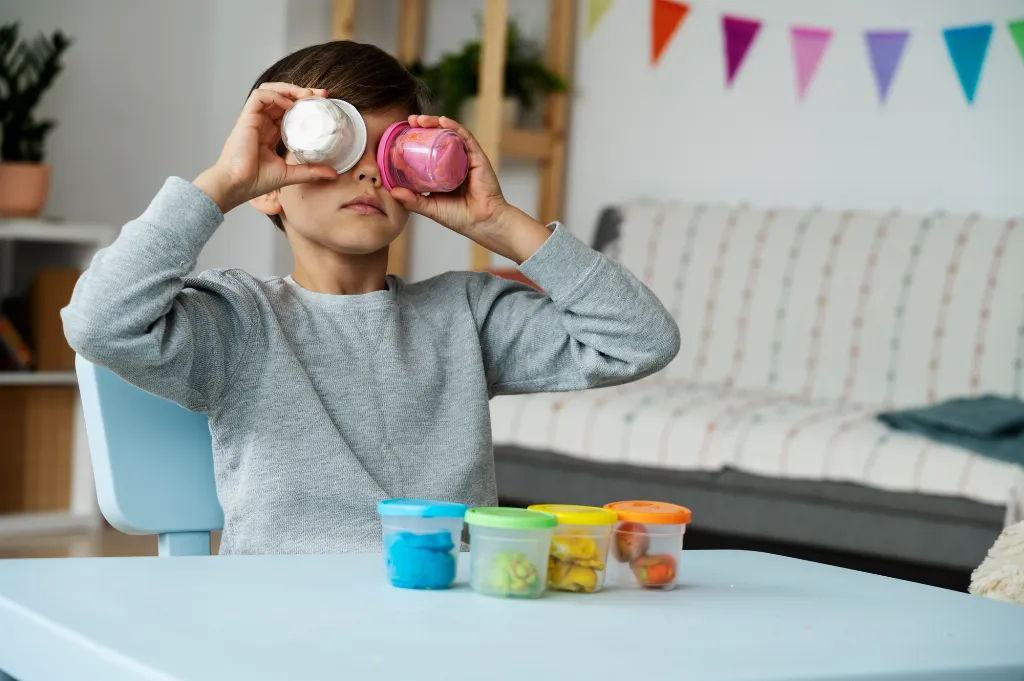
 Dopamine is a tiny chemical inside the brain that helps children try new things, pay attention, and feel rewarded when they succeed. This short guide explains dopamine in simple words for child care providers and directors. You will find classroom ideas, things to watch for, and links to helpful resources you can use with your team.
What is dopamine and how does it work in a child’s brain?
Dopamine is a brain messenger. It gives a quiet “thumbs up” when a child does something helpful or fun. That thumbs up makes the child want to try again. Think of it like a tiny cheerleader inside the brain.
- 🔬 Simple jobs of dopamine:
- Motivation: helps children start and keep trying.
- Focus: helps them pay attention for a task.
- Learning from rewards: helps them remember what worked.
- 😊 Visible signs teachers see:
- Bright smile after praise.
- Repeating an activity that felt good.
- Getting very excited or very tired after big rewards.
Why it matters: Healthy #dopamine helps children explore, finish work, and calm down after big feelings. Too many quick, big hits can make regular classroom activities feel less exciting.
How do screens, snacks, and sleep change dopamine and classroom behavior?
Everyday things change dopamine. Screens and sugary snacks can make a fast spike of dopamine. That spike feels fun, but it may make children #revved up or crash later. Sleep helps the brain reset so dopamine and attention work better.
- 📱 Screens:
- Fast, bright rewards from apps can cause quick highs and lows.
- After a screen ends, children may be upset or have trouble switching to quiet work. ChildCareEd explains this as a "roller coaster" effect in Dopamine Drama.
- 🍬 Snacks:
- Sugary treats give quick energy then a crash. Try protein + fruit for steadier energy. For ideas on affordable, nutritious choices and portion guidance for programs, see healthy, cost-effective snack options for child care.
- See classroom snack ideas at Nutrition Month Activities Buy Now $0.00.
- 😴 Sleep:
- Poor sleep makes self-control and attention harder.
- Share family tips like turning off screens before bed; state requirements vary - check your state licensing agency.
Quick rule: short + planned + paired. Keep screen time short, tell children when it will happen, and follow screens with hands-on play. For research about screens and kids, see the OECD report on digital activities: How's Life for Children in the Digital Age?.
What daily routines and simple strategies help keep dopamine healthy in your classroom?
Healthy #dopamine comes from many small wins, not one big treat. Routines make children feel safe and ready to learn. Try these practical steps and share them with your staff.
- 🟢 Predictable schedule:
- Use a picture schedule at child eye level and review it each morning (see Head Start lesson planning tips at Head Start Lesson Plan Guidelines Buy Now $0.00).
- 🤸 Movement breaks:
- 2–5 minutes of movement before seated work helps reset attention.
- 🧩 Long play blocks:
- Give time for building, pretend play, or art so children get slow, satisfying rewards.
- 👏 Warm feedback:
- Praise effort: “You kept trying!” Many small praises beat one big prize.
- 🍎 Smart snacks & water:
- Offer combos like cheese + apple or yogurt + berries to avoid sugar crashes.
Common mistakes and fixes:
- ❌ Using screens as a long reward. ✅ Fix: use screens briefly and follow with hands-on play.
- ❌ Giving sugary snacks to calm children. ✅ Fix: choose protein + fruit and keep snack time calm.
- ❌ Surprise transitions. ✅ Fix: give 2-minute and 30-second warnings with a timer or song.
For free classroom resources on dopamine and routines, see ChildCareEd’s resource list: Resources - Nurture Me and Neurodevelopmental resources.
How can I support children with big feelings, attention needs, or ADHD?
Big feelings and attention differences are common. Your calm, steady support helps children return to learning. Work with families and follow local rules. If you suspect special needs, collaborate with parents and health providers; state requirements vary - check your state licensing agency.
- Simple steps for transitions and tantrums:
- ⏳ Give a warning: “5 more minutes.”
- 🎵 Use a cue: a song, chime, or visual timer so children can predict the change.
- 🤝 Offer a small choice: “Books or blocks first?” Choices give control.
- 🔁 Praise the first step: “You started—thank you.”
- Quick calm tools:
- 🪑 Calm corner with a soft seat, simple fidgets, and books.
- 🌬️ Breathing games: “smell the flower, blow the candle.”
- 📝 Short helper jobs: carry a sign, wipe a table, be a line leader.
- When to get extra help:
- If attention or big feelings happen a lot and stop learning, suggest a health or mental health check and work with the family. For school supports, see CDC guidance on ADHD in the classroom: ADHD in the Classroom (CDC).
FAQ (quick answers):
- Q: Is dopamine the same as happiness? A: No. It helps with motivation and learning, not just feeling happy.
- Q: Are screens always bad? A: No. Use them short, planned, and paired with play.
- Q: How fast will I see changes? A: Try one small change for a week (a movement break or picture schedule) and watch what improves.
- Q: Should I tell families about dopamine? A: Yes—share simple ideas like calm bedtime routines and snack choices.
For teacher training, use ChildCareEd’s Dopamine handout in staff meetings. Example: Dopamine in Children: Signs, Effects, and Everyday Influences.
Conclusion
Dopamine helps children explore, focus, and learn. Use steady routines, movement breaks, warm feedback, smart snacks, and clear screen rules to support healthy #dopamine and better #behavior. Start with one small change this week—add a 2-minute movement break before table time—and share what you learn with your team. You’re doing important work to help children grow through safe, kind, and predictable classrooms full of #play and rest for better #sleep.
- CDA Home Visitor Subject Area 3 Part 3 Birth to 5
- CDA Home Visitor Subject Area 2 Part 3 Birth to 5
- CDA Bridge Bundle: Family Child Care without Portfolio Review
- CDA Bridge Bundle: Infant/Toddler without Portfolio Review
- CDA Bridge Bundle: Preschool without Portfolio Review
- Potty Training Made Simple
- Emergent Learning & Development
- 45-Hour Infant and Toddler Curriculum
- Creating Environments that Nurture Growth and Community
- Every Moment Matters: Schedules and Transitions
- When the Sunshine Fades: How to Spot Depression in the Happiest-Looking Kids
- CDA Certification en Español: Recursos y Consejos para Educadores Bilingües
- 😅❌ ¿Cómo Puedo Manejar a un Niño que Dice “¡NO!” a Todo en el Aula?
- Qué capacitación se requiere para ser director de cuidado infantil en Texas?
- Requisitos Para Ser Maestra Principal En Un Daycare: Lo Que Necesitas Para Empezar
- Dopamine in Kids: What It Means and How to Support Healthy Habits
- Que es Título 22 en California?
- ¿Cuál es la diferencia entre un certificado CDA y la credencial CDA?
- ¿Qué es la dopamina en los niños?
- ¿Cómo afecta la dopamina a los niños: señales, efectos e influencias diarias?
- Capacitación en Salud y Seguridad Preventiva en Línea para Proveedores de Cuidado Infantil
- ¿Cómo solicito la licencia para una guardería en California?
- Regulaciones de Licenciamiento de Cuidado Infantil en California para Centros y Hogares de Cuidado Infantil Familiar
- Proporciones de Cuidado Infantil y Tamaños de Grupo por Edad en Maryland (Guía Rápida para Centros y Hogares)
- Retraso del Habla en la Guardería: Cómo Pueden Ayudar los Proveedores
- Cómo Trabajar en el Cuidado Infantil en California: Requisitos y Pasos
- Capacitación Previa al Servicio para Proveedores de Cuidado Infantil en Dakota del Norte
- Dopamine in Children: Rewards, Motivation, and Behavior
- What Is Dopamine? A Simple Explanation for Kids and Parents
- Why do children need more boredom and less constant entertainment?
