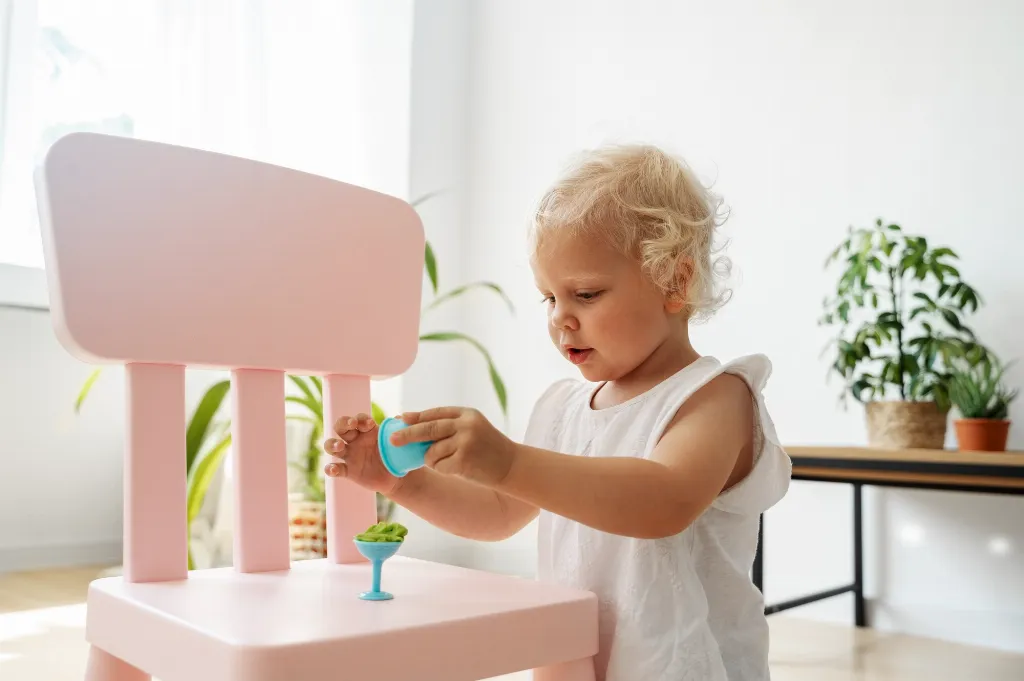
Dopamine is one of the brain chemicals that helps children notice rewards, feel motivated, and repeat behaviors that feel good or successful. In early childhood classrooms, this can show up when a child smiles after praise, keeps trying to finish a puzzle, gets excited during play, or has trouble stopping a highly stimulating activity like screen time.
This guide explains how dopamine connects to rewards, motivation, and behavior in young children, plus simple classroom strategies teachers can use to support healthy brain development.
Why does dopamine matter for young children?
Dopamine is a brain messenger that gives a little tug when something is worth paying attention to. It helps with 3 main things:
- Motivation — the child wants to try or keep going.
- Focus — the child can pay attention to a task.
- Learning from rewards — the child repeats helpful actions.
Why this matters for your program:
- 😊 When children get lots of small wins (caught using gentle hands, finishing a puzzle), their brains get steady encouragement. See Dopamine in Children for quick staff handouts.
- ⚠️ When dopamine is driven by very fast, strong rewards (like some apps or sugary snacks), regular classroom activities can feel less exciting and transitions get harder. ChildCareEd explains this in Dopamine Drama.
Why it matters: healthy patterns of dopamine help children try new skills and calm after big feelings. Small, steady positive moments are better than a few big spikes.
How do screens, snacks, and sleep change behavior in the classroom?
Everyday things change dopamine quickly or slowly. Knowing the difference helps you plan the day.
- Screens — fast, novel images and instant feedback can give a quick dopamine jump. Afterward, kids may be revved up, resistant to stopping, or less interested in slow activities. ChildCareEd covers this in Dopamine Drama, and Stanford research explains why social media and apps are so engaging (Stanford).
- Snacks — sugary treats give short bursts of energy then often a crash. Try combos with protein and fruit to steady energy (cheese + apple, yogurt + berries).
- Sleep — poor or short sleep weakens self-control and makes transitions and focus harder. For toddler sleep tips, see ChildCareEd's Tips for Helping Your Toddler Sleep Buy Now $0.00 and research linking screens near bedtime to shorter sleep (Science.gov). During holidays or other celebrations when late nights and excitement can disrupt routines, see guidance on helping children sleep through celebrations for practical strategies to preserve rest.
Classroom signs after big screen or snack moments:
- 😤 More arguing or crying at cleanup.
- ⏳ Shorter attention for table work.
- 🔋 Big energy bursts then a low mood.
What classroom routines support healthy dopamine and better behavior?
Routines give many small, steady rewards. Try these practical steps you can use tomorrow. Remember: state requirements vary - check your state licensing agency.
- 📅 Predictable picture schedule
- Review the day with children at eye level each morning. Predictability lowers stress and helps focus. See ideas in Dopamine in Kids.
- 🤸 Short movement breaks before seated work (2–5 minutes)
- Moves reset attention and help dopamine shift from play to work.
- 🧩 Long blocks of meaningful play (blocks, art, pretend)
- These create "slow rewards" when children finish projects and practice skills.
- 👏 Warm, specific feedback
- Praise effort: “You kept trying!” This strengthens #motivation without big prizes.
- 🍎 Snack planning
- Offer protein + fruit, keep snack time calm and predictable to avoid sugar crashes.
Why teams like this:
- Reduces power struggles at transitions.
- Builds steady attention for learning.
- Makes learning feel rewarding through #play, not just treats or screens.
How can teachers handle tantrums, transitions, and avoid power struggles?
Big feelings are normal. Your calm routine helps children recover and learn. Use a simple plan and watch it work.
- ⏳ Give a clear warning: "5 more minutes" with a picture or timer.
- 🎵 Use a short bridge: clean-up song, helper job, or a silly movement to move between activities.
- 🤝 Offer a limited choice: "Put toys in the basket or stack them on the shelf?" Choices give control and reduce fights.
- 🪑 Calm corner and quick tools: cozy chair, soft books, a breathing cue like "smell the flower, blow the candle."
Common mistakes and how to avoid them:
- ❌ Long lectures when a child is upset — use short phrases and a calm voice instead.
- ❌ Inconsistent responses across staff — pick 1–2 routines and practice them together each week.
- ❌ Using screens as a long reward — instead, follow the “short + planned + paired” rule: brief screen, tell children when it will happen, then pair with hands-on play. See Dopamine in Kids.
If you suspect a child may have attention or regulation concerns, partner with families and the child's health team. For ADHD guidance, see the CDC overview on Treatment of ADHD.
Conclusion
Quick summary:
- #dopamine helps children want to try, focus, and learn.
- Everyday things—#screens, snacks, and #sleep—change how dopamine works.
- Use simple routines: picture schedules, movement breaks, meaningful play, calm praise, and steady snack plans.
- Handle transitions with warnings, bridges, and limited choices to avoid power struggles.
Try one small change this week (a 2-minute movement break or a picture schedule) and watch transitions for one week. Share wins with your team. For staff handouts and training, use ChildCareEd resources like Dopamine in Children and Dopamine in Kids. You’re doing important work—small, steady habits help children build healthy brains through predictable routines, warm relationships, and lots of #play.
FAQ (quick):
- Q: How soon will I see changes? A: Try one change for a week and watch transitions and attention improve.
- Q: Should we ban screens? A: No. Use them briefly and intentionally, then pair with hands-on play.
- Q: What if a child has ADHD? A: Work with families, document classroom observations, and refer to medical guidance like the CDC.
- Q: Where can I get staff handouts? A: Use ChildCareEd’s Dopamine handouts linked above.
- Teach with Respect ONLINE
- Professional Presence in Early Childhood
- 45 Hours Director-Administration ONLINE
- CDA: A Closer Look at Assessments
- Super Special School Agers
- CDA: Special Needs: Understanding the Whole Child
- Emergent Learning & Development
- Creating Environments that Nurture Growth and Community
- Mentoring Professional Etiquette in Child Care
- Children at the Wheel ONLINE
- CDA Certification en Español: Recursos y Consejos para Educadores Bilingües
- 🌙 ¿Cómo afecta el tiempo frente a las pantallas el sueño y el comportamiento infantil? 😴
- 🤯 ¿Por qué este niño está teniendo un comportamiento difícil de repente?
- 🥺👋 ¿Por Qué la Despedida de la Mañana es Tan Emocional?
- 🩺 Cumplimiento de Salud e Inmunización en Cuidado Infantil de Nevada ✔️
- Dopamine in Kids: What It Means and How to Support Healthy Habits
- ¿Qué es la dopamina en los niños?
- ¿Cómo afecta la dopamina a los niños: señales, efectos e influencias diarias?
- ¿Cuál es la Diferencia Entre la Crianza Respetuosa y la Crianza Permisiva?
- Ejemplos de Crianza Respetuosa vs. Crianza Permisiva
- Consejos de Supervisión Activa para Salones de Preescolar y el Juego al Aire Libre
- Retraso del Habla en la Guardería: Cómo Pueden Ayudar los Proveedores
- Dopamine in Children: Rewards, Motivation, and Behavior
- What Is Dopamine? A Simple Explanation for Kids and Parents
- How can structure and movement help children with ADHD thrive in your classroom?
- Why do children need more boredom and less constant entertainment?
- How Can Child Care Providers Encourage Positive Behavior Without Relying on Rewards All the Time?
