Keeping children safe and comfortable is part of great child care. This article explains Pennsylvania rules about indoor and outdoor temperature in child care, how to measure and record temps, what to do when it gets too hot or cold, and simple daily steps your team can use. It is written for directors and providers. Remember: state requirements vary - check your state licensing agency.
Why this matters:
1) Young children get too hot or cold faster than adults. 2) Good temperature routines protect health, comfort, and learning. 3) Simple habits — a thermometer in the right spot, a weather chart by the door, and a short written plan — make your program safer and ready for inspections.
What do Pennsylvania rules say about indoor temperature in child care?
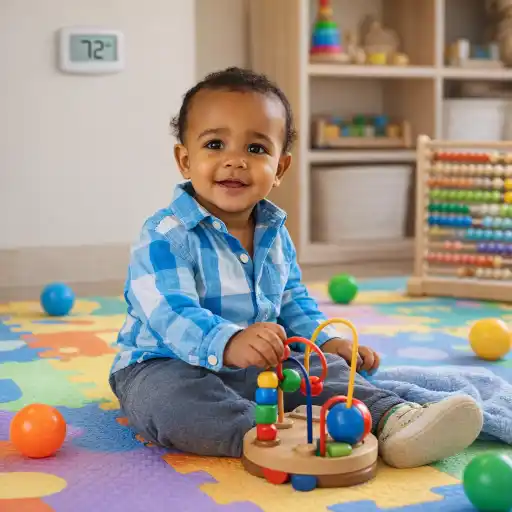
Pennsylvania child care center rules cover many safety topics, including indoor temperature. See the full licensing chapter in 55 Pa. Code Chapter 3270, which includes a section on indoor temperature (§ 3270.70). Those rules expect centers to keep rooms safe and comfortable for children and to follow general health and building codes.
Key points to note (simple list you can use at your center):
- 📝 Have a written temperature policy and keep it with your licensing file (makes inspections easier).
- 📍 Place thermometers where children breathe — not in direct sun or next to vents. The PA rules expect measured temperature to reflect the child care room conditions; you can follow common guidance like placing thermometers about 3 feet above the floor as many states suggest (see practical tips at Childcare Weather Chart Buy Now $0.00).
- 🔁 Check and fix HVAC problems quickly and document maintenance. Good ventilation and HVAC upkeep also support safe air quality (EPA IAQ guide).
For illness exclusions that affect outdoor decisions (for example, fever), see the Pennsylvania readmission and exclusion rules in 28 Pa. Code § 27.76.
How do we measure and record temperature every day?
- 🔧 Pick one reliable indoor thermometer per room and mount it about 3 feet above the floor, away from windows, doors, and vents. Use a digital thermometer that is easy to read.
- 📋 Make a short log and record the temperature at key times each day:
- Morning arrival
- Before nap/quiet time
- Before afternoon outdoor time (if you go out)
- 🗂 Keep records for at least a week onsite (longer if you had an incident). Document HVAC calls and repairs so you can show action during reviews.
- 💻 Use a visible weather chart by the exit so staff check conditions before every outdoor block. See the printable Childcare Weather Chart Buy Now $0.00 and guidance on using it at How to Use a Child Care Weather Chart.
Why measuring this way works:
- It shows real room conditions, not just thermostat settings.
- It helps staff act quickly when temps cross safety thresholds.
- It creates simple documentation for licensing visits.
What should we do when temperatures are too hot or too cold?
- Heat steps:
- 💧 Offer water on arrival, before going outside, and every 10–15 minutes during hot play.
- 🌳 Use shade and move active play to cooler parts of the day (morning/late afternoon).
- 🧊 Cool quickly if a child shows signs of heat illness: move to A/C or shaded area, loosen clothing, cool with wet cloths, give sips of water if alert, and call 911 for severe signs. See Preparing for Extreme Heat for signs and steps.
- Cold steps:
- 🧣 Dress kids in layers and keep spare warm clothes ready.
- 🔥 Shorten outdoor time and plan warm-up breaks indoors when wind chill is low.
- 🚑 If a child has signs of hypothermia (severe shivering, slurred speech), warm them gently and seek medical care.
- Indoor problems (HVAC failure):
- 📞 Call maintenance and document the call.
- 🏠 Move children to another cooled/warmed room or to a pre-arranged backup location (library, community center) if needed.
- 📣 Notify parents if you change the child’s routine or if the situation lasts several hours.
Also follow cleaning and ventilation steps to keep air safe: see CDC cleaning guidance at How To Clean and Disinfect Early Care and Education Settings and EPA tips for ventilation at EPA IAQ guide.
How do we train staff, document practices, and avoid common mistakes?
Make training short, visual, and part of daily routine. Use numbered steps and short drills so staff remember what to do in busy moments.
- 📚 Training and policy:
- Write a one-page temperature policy with numeric ranges, thermometer placement, when to record readings, and actions for heat/cold.
- Train staff with a 10-minute demo and a 5-minute monthly refresh. Use resources like Child Care Weather Guidelines.
- 📝 Documentation:
- Keep temperature logs, incident reports, and HVAC service notes in an easy file for licensing reviews.
- Log daily weather checks near the exit with the posted weather chart: Childcare Weather Chart Buy Now $0.00.
- ⚠ Common mistakes and how to avoid them:
- ❌ Mistake: Relying only on the thermostat. ✅ Fix: Use a classroom thermometer and record readings.
- ❌ Mistake: Forgetting water and shade. ✅ Fix: Add water duty to the staff checklist and set up shade before outdoor blocks.
- ❌ Mistake: Not rehearsing move-ins for storms or heat incidents. ✅ Fix: Run a 2-minute move-in drill monthly.
Keep national best practices in view. The Caring for Our Children standards and CDC/ EPA guidance help set good health, ventilation, and cleaning steps.
Conclusion
1) Follow Pennsylvania rules in 55 Pa. Code Chapter 3270 and use simple daily habits: a correct thermometer, a posted weather chart, and short, practiced actions for heat or cold. 2) Train staff, keep short written policies and logs, and document HVAC work. 3) Use ChildCareEd tools like the Childcare Weather Chart Buy Now $0.00 and heat resources (Preparing for Extreme Heat) to make routines easy.
Quick FAQ:
- Q: Who decides to cancel outdoor play? A: The director or the staff assigned for the day, using your posted weather chart.
- Q: How often record temps? A: At least 3 times daily: arrival, before nap, before outdoor time.
- Q: What if HVAC fails more than a day? A: Move to a backup site, document steps, and notify parents and licensing if needed.
- Q: Do infants need different rules? A: Yes — infants tolerate heat and cold differently. Follow infant sleep and safety guidance such as CDC safe sleep when adding layers or blankets.
Thank you for keeping your #children safe. Small routines protect health and make your program stronger. Keep focused on #temperature, #safety, #licensing, and #outdoorplay so each day is comfortable and calm for the children in your care.
Good measurement is easy and helps your staff make fast, steady choices. Follow these steps:Have a short, numbered action plan for heat and cold. Use the Preparing for Extreme Heat and Heat Awareness guides for details.- Curso Para Trabajar En Daycare:Qué Necesitas Para Empezar
- Recursos en Español sobre el Sueño Seguro del Bebé
- Que es Título 22 en California?
- Capacitación en Salud y Seguridad Preventiva en Línea para Proveedores de Cuidado Infantil
- Regulaciones de Licenciamiento de Cuidado Infantil en California para Centros y Hogares de Cuidado Infantil Familiar
- Lista para Abrir una Guardería en Casa en Carolina del Norte: Cómo Empezar
- Lista para Guardería en Casa en Illinois: Cómo Iniciar una Guardería en el Hogar
- Lista para Guardería en Casa en Texas: Cómo Iniciar una Guardería en el Hogar
- Cómo Trabajar en el Cuidado Infantil en California: Requisitos y Pasos
- What are training bundles in Pennsylvania and how do they help child care providers?
- Safe Temperature Regulations in Daycare: Texas Rules for Child Care Providers
- Safe Temperature Regulations in Daycare: Illinois Rules for Child Care Providers
- What are the supervision basics for child care in Pennsylvania?
- How Long Can a Daycare Stay Open Without Power?
- What Are Pennsylvania's Rules for Safe Daycare Temperatures and How Do We Follow Them?
- Daycare Temperature Regulations in California: What Providers Should Know
- Daycare Temperature Regulations in Washington: What Providers Should Know
- Alaska Daycare Center Standards: What Providers Need to Know
- What Should You Say in a Daycare Interview If You Have No Experience?
- Starting a Daycare in Pennsylvania: Family Home, Group Home, or Child Care Center—which Should You Open?
