Supporting Whole-Child Development in Early Learning Settings
Young children learn and grow in many ways at the same time. They are not just learning letters or numbers. They are learning how to move their bodies, manage feelings, make friends, communicate, and feel confident. Supporting whole-child development means caring for all areas of a child’s growth, not just academics.
Early learning settings play a big role in this process. Teachers, caregivers, and program leaders can create environments where children feel safe, supported, and ready to learn. This article shares clear, practical ways to support whole-child development every day.
What Is Whole-Child Development? 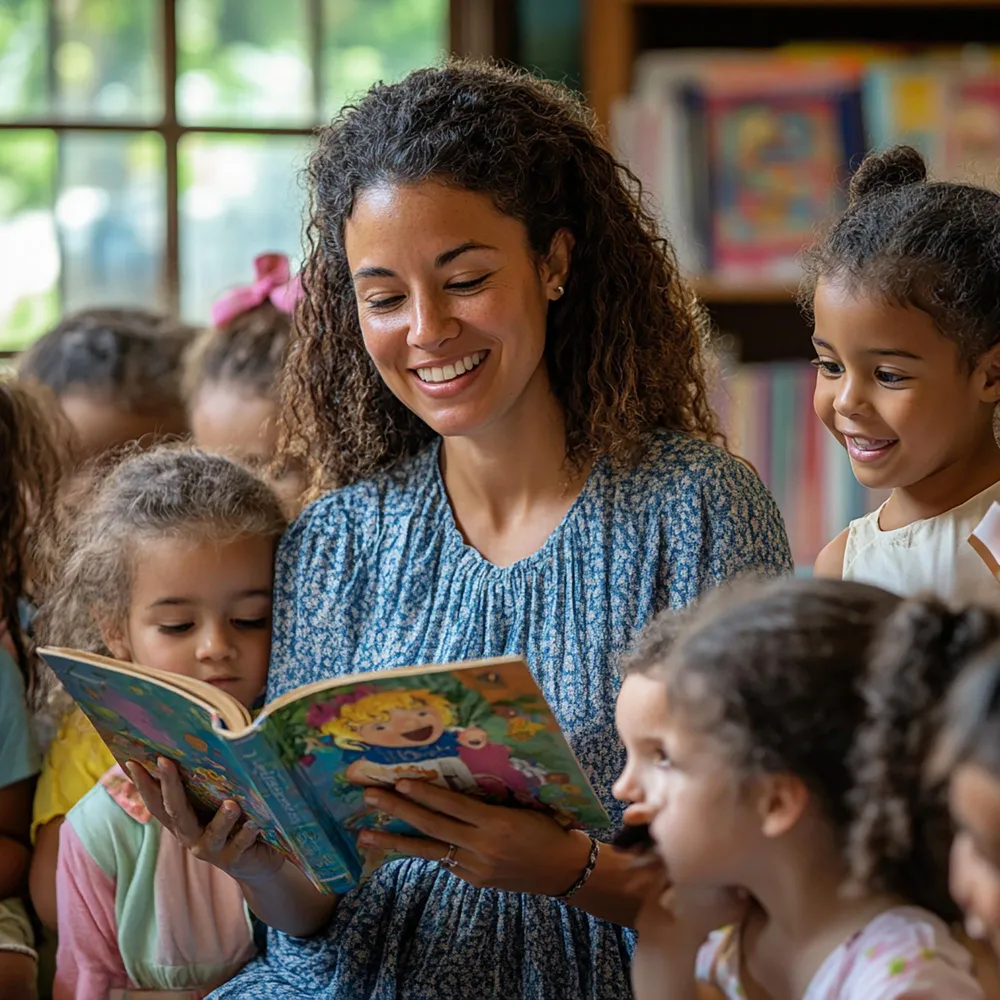
Whole-child development looks at the full picture of a child. It includes how children grow in different areas at the same time.
These key areas include:
- Social development (making friends, sharing, cooperation)
- Emotional development (understanding and managing feelings)
- Physical development (large and small motor skills)
- Cognitive development (thinking, problem-solving, learning)
- Language development (listening, speaking, early reading skills)
When teachers support all of these areas, children are more likely to succeed in school and in life.
Create a Safe and Supportive Environment
Children learn best when they feel safe and cared for. A positive #classroom-environment-supports every part of development.
Ways to build a supportive space:
- Greet children warmly each day
- Keep routines predictable
- Use clear, simple rules
- Arrange the #classroom-so children can move and explore safely
A calm and welcoming environment helps children feel secure. When children feel safe, they are more open to learning and trying new things.
Support Social and Emotional Growth
Social and emotional skills are the foundation for learning. Children need help learning how to express feelings, solve problems, and build relationships.
Simple strategies to support this area:
- Teach feeling words like happy, sad, mad, and excited
- Read books about emotions and friendships
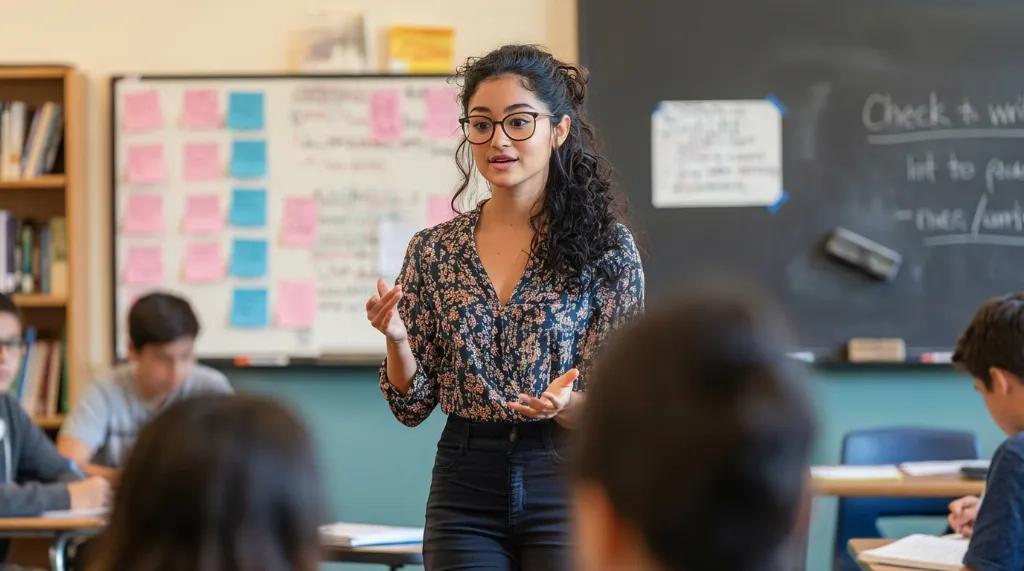
- Model kind and #respectful behavior
- Help children solve conflicts with words
For example, instead of fixing a problem for children, guide them by saying, “How can we solve this together?” This builds confidence and problem-solving skills.
Encourage Physical Development Through Movement
Movement is very important for young children. Physical activity supports brain growth, health, and learning.
Ways to support physical development:
- Offer daily outdoor play
- Include music and movement activities
- Provide materials for fine motor skills, like crayons and blocks
- Allow space for jumping, climbing, and stretching
Movement helps children focus better and release energy in #healthy ways.
Promote Learning Through Play
Play is one of the best ways children learn. Through play, children explore ideas, practice skills, and express creativity.
Types of play that #support-learning:
- Pretend play (kitchen, dress-up, role play)
- Building with blocks
- Sensory play with sand or water
- Games with rules
Teachers can support play by asking open-ended questions like, “What are you building?” or “What do you think will happen next?” This encourages thinking and language growth.
Support Language and Communication Skills
Language skills help children express needs, share ideas, and build relationships. Teachers play a big role in helping children grow as communicators.
Helpful language-building ideas:
- Talk with children during daily routines
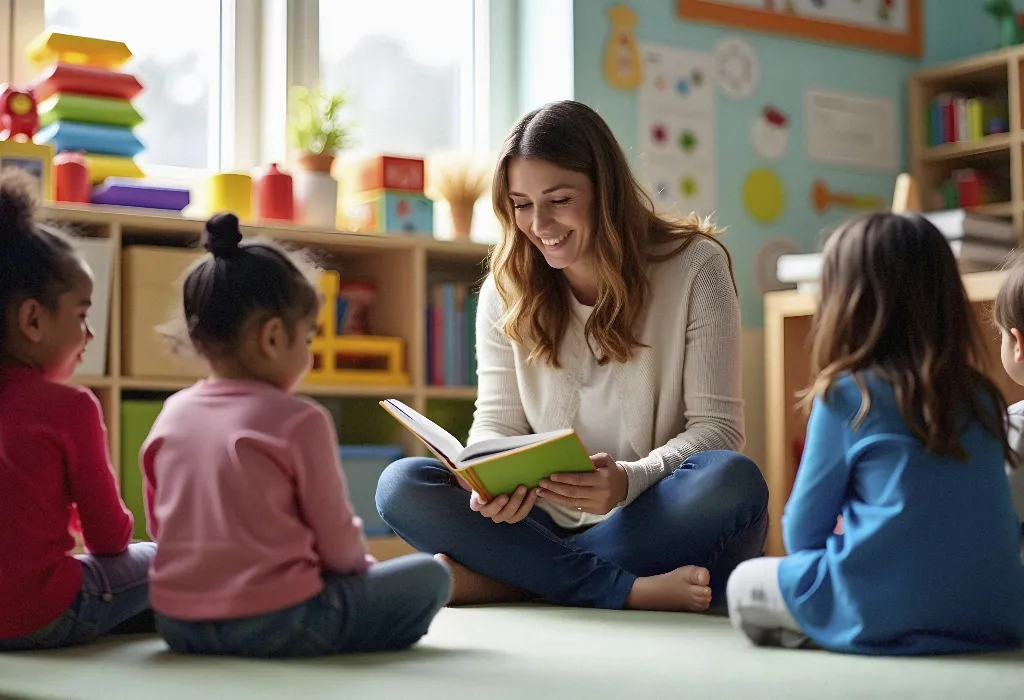
- Read aloud every day
- Sing songs and rhymes
- Encourage children to tell stories
Use clear, simple language and give children time to respond, especially for children learning English as a new language.
Partner With Families
Families know their children best. Working together helps support whole-child development at #home and in the classroom.
Ways to build strong family partnerships:
- Share updates about children’s progress
- Ask families about children’s interests and routines
- Offer ideas families can use at home
- Respect cultural backgrounds and values
When families and teachers work as a team, children feel supported and understood.
Professional Learning That Supports Whole-Child Development
Ongoing training helps educators build skills and confidence. These ChildCareEd.com courses focus on whole-child development and early learning:
- Supporting Social Learning: Creating Classrooms That Care (ChildCareEd Course) — Focuses on building emotional skills, positive relationships, and caring classroom communities.
-
Role of Play in Learning
 Buy Now $16.00 — Explores how play supports development and how teachers can guide learning through play experiences.
These courses provide practical ideas that can be used right away in early learning settings.
Free Tools and Resources
ChildCareEd offers helpful tools that support teachers and caregivers:
- ChildCareEd Free Resources — Find printable charts, activity ideas, planning tools, and more to support children’s learning and development:
- Related resource Buy Now $0.00
These resources can save time and help you stay organized while supporting every child’s growth.
Learn More About Child Development
For more information, explore this related ChildCareEd article:
-
Child care education— This article explains how children grow and how teachers can support development in everyday classroom moments
It’s a helpful read for both new and experienced educators.
Stay Connected and Inspired
Join a community of early childhood professionals and get tips, ideas, and encouragement.
👉 Follow ChildCareEd on Instagram:
Follow for daily inspiration, training updates, and classroom ideas. Search @childcareed and stay connected! 
Key Takeaways
Supporting whole-child development means looking at the full picture of each child. Remember to:
- Create safe and predictable environments
- Support social, emotional, physical, and cognitive growth
- Encourage learning through play and movement
- Partner with families
- Keep learning through training and resources
When educators support the whole child, children feel confident, capable, and ready to learn. Every small moment of care and guidance makes a lasting difference.
- Watch Me Grow: School Age Development ONLINE
- 1,2,3, Eyes on Me: Classroom Safety
- CDA Bridge Bundle: Family Child Care without Portfolio Review
- CDA Bridge Bundle: Infant/Toddler without Portfolio Review
- CDA Bridge Bundle: Preschool without Portfolio Review
- Play, Learn, Grow
- Creating Environments that Nurture Growth and Community
- Texas Director Credential
- Growing the Whole Child: Health, Emotions & Early Learning
- Supporting Social Relationships Among Young Children
- 🌈From Wobbly Steps to Confident Learners: Understanding Growth and Development
- Cómo Ayudar a Niños con Retraso del Habla en el Cuidado Infantil
- Retraso del Habla en la Guardería: Cómo Pueden Ayudar los Proveedores
- How Can Child Care Programs Support Children’s Mental Health?
- Capacitación CDA gratuita en Illinois
- How Can North Dakota Caregivers Help Toddlers with Speech Delays?
- How can early childhood programs best support diverse families?
- What are the infant care best practices Minnesota child care providers should follow?
- What Is the Difference Between Early Childhood Education and Child Development?
- How Can Teachers Support Children Starting Kindergarten This Fall?
- How Can Child Care Providers Support Shy or Anxious Children in Group Settings?
- How Can Child Care Providers Support Healthy Child Growth and Development?
- What Is the CDA Credential, and How Can Child Care Professionals Earn It?
- ¿Todos los niños deben participar en el tiempo de círculo?
- How Can You Show Families Their Child’s Progress in Classroom Participation?
