What is #empathy, and what does it look like in young children?
Empathy is not just saying “sorry.” It is understanding feelings and choosing a helpful action.
You might see empathy when a child:
- Brings a friend a toy or blanket
- Says, “Are you okay?”
- Looks worried when someone cries
- Offers a hug (if the other child wants one)
- Gets an adult to help
Remember: empathy grows slowly. A #toddler may notice a friend is upset but still grab the toy. That does not mean they are “mean.” It means they need coaching.
Why does empathy #matter in child care and #preschool?
Empathy helps children do well in a group. It supports:
- Friendships and teamwork
- Fewer hurtful words and actions
- Better problem-solving
- A calmer #classroom

It also helps children feel #safe and cared for. When kids feel understood, they #learn better.
How do children learn empathy from adults?
Children learn empathy the same way they learn #language: by hearing it and seeing it again and again.
Try these adult habits:
- Name feelings out loud. “You look sad.” “You seem excited!”
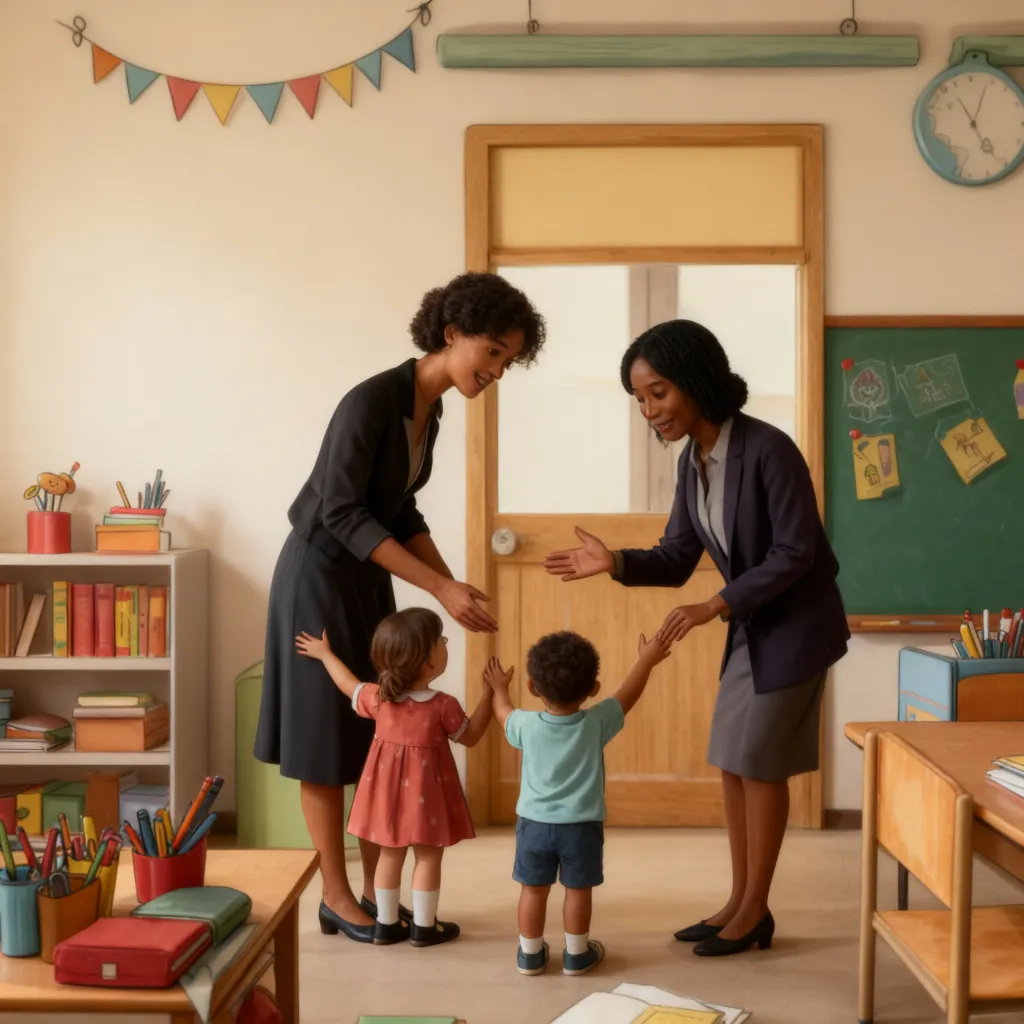
- Show gentle care. Speak softly, get down to their level, offer help.
- Use #respectful words. Children copy the tone and words you use.
- Talk about your own feelings. “I feel frustrated. I’m going to take a deep breath.”
If you want a deeper look at social-emotional #growth (including compassion and kindness), this ChildCareEd course can help: Brighter Futures: Social Emotional Development  Buy Now $16.00
What are easy daily routines that build empathy?
You do not need a “special empathy lesson” every day. Small routines work best.
1) Feelings check-in (1 minute)
At circle time, ask:
- “How do you feel today?”
- “Show me with your face.”
- “Do you want a calm body or a moving body?”
2) Notice-and-name
During play, narrate what you see:
- “Lina is smiling. She likes that game.”
- “Omar is covering his ears. It’s too loud.”
3) Kind helper jobs
Give children jobs that help others:
- Line leader
- Snack helper
- “Friendship helper” (passes out materials, invites others to play)
4) “We take care of each other” rules
Keep rules short and positive:
- “Hands are for helping.”
- “We use kind words.”
- “We listen when someone says stop.”
What activities help children practice empathy during play?
Kids learn best through play, stories, and #pretend.
Try these ideas:
- Puppet feelings: Use two puppets and act out a simple problem. Ask, “How does the puppet feel?”
- Role-play helping: Practice phrases like “Do you need help?” and “You can have a turn after me.”
- Picture #books: Pause and ask, “What is the character feeling? How do you know?”
- Partner games: Simple games where children take turns and cheer for each other.
Want a classroom focus on social skills and caring community? This course is a great match: Supporting Social Learning: Creating Classrooms that Care Buy Now $35.00
How can you coach empathy during conflicts (without long lectures)?
Conflicts are real-life practice for empathy. Use short steps and simple words.
A quick “Stop, Feel, Help” script
- Stop the action: “Hands down. Safe body.”
- Name feelings: “You look mad. You look sad.”
- Say the problem: “Two friends want the same truck.”
- Teach a helpful choice:
- “Ask for a turn.”
- “Trade.”
- “Use a timer.”
- “Find a second truck.”
- Repair (make it better):
- “Can you help fix it?”
- “Can you bring ice?”
- “Can you say, ‘Are you okay?’”
Tip: Some children have big feelings because of #stress or trauma. They may need extra support to notice others’ feelings. This course is directly connected to empathy and trauma-sensitive care: Trauma-Sensitive Care: Supporting Young Children with Empathy Buy Now $16.00$11.00
How can you include families so empathy grows at #home, too?
Families often want to help but may not know what to say. Share easy language they can use at home, like:
- “How do you feel?”
- “How do you think your friend felt?”
- “What can we do to help?”
A fun way to involve families is a kindness challenge. You can use this #free ChildCareEd resource with simple daily kindness ideas: 14 Days of Valentine Kindness Buy Now $0.00
You can also send home “empathy moments,” like:
- “Today Maya noticed her friend was sad and brought her a book.”
These small notes build pride and repeat the behavior.
Where can you get more ideas and support from ChildCareEd?
For a related ChildCareEd article that connects emotional skills and empathy, read: Bursting the Ego Bubble: Creative ways of Developing Healthy Ego in Children
And if you like quick activity ideas, follow and share ChildCareEd on TikTok: https://www.tiktok.com/@childcareed (Try one idea this week and tag us so we can cheer you on!)
Empathy is built one small moment at a time. When you model caring, name feelings, and coach children through real problems, you are helping them grow into kind, confident people.
- CDA Home Visitor Subject Area 3 Part 3 Birth to 5
- CDA Home Visitor Subject Area 2 Part 3 Birth to 5
- Administering Basic Health and Safety ONLINE
- Opportunity for Growth: Emotional Development
- CDA: Special Needs: Understanding the Whole Child
- CDA Bridge Bundle: Family Child Care without Portfolio Review
- CDA Bridge Bundle: Infant/Toddler without Portfolio Review
- CDA Bridge Bundle: Preschool without Portfolio Review
- Emergent Learning & Development
- Trauma-Sensitive Care: Supporting Young Children with Empathy
- Building Social Foundations
- CDA Certification en Español: Recursos y Consejos para Educadores Bilingües
- Teaching with Purpose
- 🔍 ¿Qué ves cuando observas a un niño aprender?
- ¿Cómo puedo usar escenarios de juego de roles de primeros auxilios en mi aula?
- Helping Children Learn Kindness, Empathy, and Belonging
- Canciones, juegos y preguntas de círculo para niños
- First Aid Lessons for Kids: Simple Skills They Can Learn
- How can childcare programs meaningfully explore Japanese culture with young children?
- How can we teach community and country to young children in simple, respectful ways?
- How can I teach Black history to young children year-round?
- How Can We Teach Young Children to Care for the Environment?
- How Can We Teach Young Children the Difference Between Fair and Equal?
- Why Do Young Children Show Challenging Behavior, and What Are They Trying to Communicate?
- How Can Child Care Providers Help Children Build Healthy Friendship Skills?
- How Can Child Care Providers Teach Empathy and Kindness in the Classroom?
- How Can Child Care Providers Support Social-Emotional Development in Young Children?
