As the year closes and teachers plan classroom updates, intentional environmental design becomes a high-leverage strategy for supporting early learning. Research and practice converge on the idea that the classroom is a "second teacher"; intentional arrangement, materials selection, and routine design reduce stress, scaffold self-regulation, and communicate expectations to young children. For concrete help, consider our short trainings on Classroom Arrangement: The Second Teacher Buy Now $25.00 and Classroom Setup for Child Care  Buy Now $24.00, which walk providers through pragmatic, developmentally appropriate design decisions you can implement over a weekend.
Why does classroom design matter for preschool learning?
Physical context consistently shapes social interaction, exploration, and emotional safety. A classroom that conveys predictability and offers differentiated spaces for solitary play, small-group interaction, and active gross motor work reduces excitatory load and supports executive function development. Thoughtful design helps teachers manage sensory input (light, color, texture, and traffic patterns) so that children spend more energy learning and less managing overwhelm. Environment also functions as curriculum: accessible materials invite autonomy, and visible routines reduce ambiguity for children learning self-regulation.
How can I create a calming, home-like environment in a preschool classroom?
Designing a calming, home-like classroom is both aesthetic and functional. Prioritize these elements:
- Reduce visual clutter: Limit competing wall displays in primary sightlines and rotate materials. Use neutral anchor walls and contained bulletin areas to prevent overstimulation.
- Offer soft, consistent lighting: When possible, rely on daylight and warm-tone fixtures; harsh fluorescent glare increases arousal and reduces sustained attention.
- Create private nooks: Small, enclosed areas with pillows, low shelving, or tabletop screens give children retreat spaces to self-soothe and regulate.
- Use familiar domestic cues: Rugs, low bookcases, child-sized chairs, and labeled baskets mimic home environments and support belonging.
- Design predictable transitions: Use consistent cues (timers, songs, or visual schedules) so children anticipate schedule changes rather than reacting to surprise demands.
These practical choices reduce friction in daily routines and increase children’s capacity for prosocial interaction and sustained engagement.
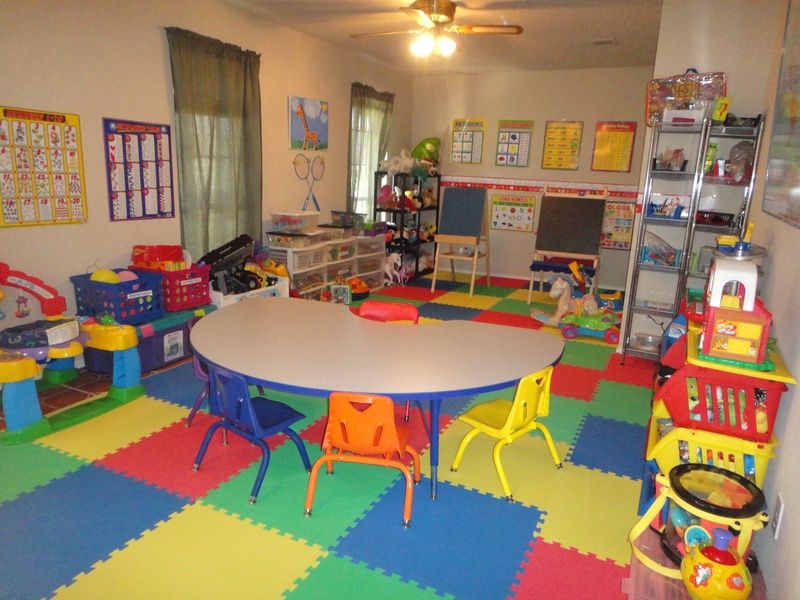
When mapping out your play area, what steps should I follow?
Practitioners often ask how to move from a general sense of “this feels crowded” to concrete layout changes that reduce conflict and support engagement. Mapping the play area is a short, actionable process you can complete with staff in a single planning session and a two-week pilot. Follow these steps to produce a usable map and a low-risk trial plan:
- Observe and sketch: During two representative activity periods (e.g., free play and arrival), silently observe and mark on a simple room sketch where children queue, cluster, and cross paths. Note where adults naturally stand to supervise.
- Identify pinch points and safety hazards: Circle congested pathways near sinks, cubbies, or art drying areas and list any trip or spill risks. Measure: ensure primary pathways remain at least 3 feet wide where possible to allow comfortable two-way flow.
- Zone by arousal level and function: Allocate distinct areas for high-energy (blocks, active dramatic play), moderate (art, sensory), and low-energy (books, puzzles). Use shelving, rugs, or low partitions as soft buffers to reduce auditory and visual spillover.
- Prototype small changes: Move a shelf, rotate a rug, or add a low-profile divider and pilot that single change for two weeks rather than attempting a wholesale redesign. Keep changes reversible for quick iteration.
- Include children and families: Depending on age, invite children to help label the map or choose color-coded areas; send a brief family note describing the pilot so parents understand the intent and can reinforce predictable transitions at drop-off.
Document observations and a 2-week checklist (safety, supervision sightlines, child engagement) and reconvene with staff to decide whether to scale, tweak, or revert the change. This mapping approach creates low-cost, high-impact alterations that preserve routines while improving flow, engagement, and adult supervision.
How should learning centers be arranged to support engagement and belonging?
Arrange centers to balance autonomy, supervision, and inclusion. A few guiding design principles:
- Zones by activity: Place loud, active areas (block/build, dramatic play) apart from quiet areas (books, puzzles). This preserves concentration in small-group and individual work.
- Logical material flow: Arrange materials so children can complete a play sequence without having to navigate overcrowded pathways. For example, art materials next to drying/storage close to display areas.
- Accessibility: Store materials at children’s eye level in baskets or low shelves labeled with pictures and words to promote choice and independence.
- Inclusive invitations: Offer dual-language labels and diverse cultural props so all children see themselves reflected in the environment.
For curriculum alignment and center design that supports emergent learning, see our piece on Preschool Curriculum Types. If you are planning changes as part of program improvement, our article What Do Pre-K Teacher Requirements Really Mean for Your Program? highlights staff qualifications and training considerations that affect how a room is staffed and supervised. Our article What qualifications do preschool teachers need to succeed? also outlines core competencies and staffing strategies useful when redesigning room assignments and supervision patterns.
What materials, routines, and policies reinforce a calm, inclusive classroom?
Materials and routines are the operational armature of your environment. Key actionable steps:
- Curate open-ended materials: Choose loose parts, blocks, and art supplies that invite multiple levels of play and reduce the need for frequent replacement.
- Design routines for predictability: Teach and rehearse arrival, snack, and transition routines using visuals and consistent language. Predictable routines reduce anxiety and behavioral escalation.
- Embed positive guidance: Use environmental prompts and visual choice boards to scaffold expected behavior rather than relying on adult correction. See our training Viewing Guidance in a Positive Light Buy Now $24.00 for concrete strategies.
- Support individual differences: For children who need reduced stimulation or specific supports, create individualized plans and adapt materials; our article How Can We Support the Quiet Child's Strengths in Early Childhood? outlines approaches to honor introverted profiles.
For mental health-informed design that leverages play as a repair strategy, consult Can Play Be a Primary Strategy for Supporting Children’s Mental Health? Practical course work on building equity and inclusion can be found in Creating Environments that Nurture Growth and Community Buy Now $55.00.
How can I implement changes without disrupting children’s routines?
Adopt a phased, evidence-informed approach:
- Make a prioritized list of changes based on safety, regulation, and potential daily benefit.
- Pilot one change for two weeks (for example, introducing a quiet corner) and gather brief observational notes.
- Use staff reflection and a short family note to explain changes and gather feedback.
- Scale successful pilots and document the rationale for licensing and program review.
For more on integrating environment with daily schedules and transitions see our course Every Moment Matters: Schedules and Transitions Buy Now $55.00.
Summary: What are the next pragmatic steps?
Start with one low-cost change: reduce visual clutter, create one private nook, and label materials at child height. Then pilot a second change and use brief observations to guide next steps. For hands-on, credit-bearing professional development, enroll in our Classroom Designers Buy Now $24.00 course, or select targeted modules such as Classroom Arrangement: The Second Teacher Buy Now $25.00 and Classroom Setup for Child Care. Further reading on curriculum, staff qualifications, and mental-health informed design is linked above. See our article How is online childcare training helping New York educators deliver better early childhood education? for examples of how virtual professional learning can support implementation of room changes. #classroom #environment #development #inclusion #selfregulation
- Designing Your School Age Classroom
- Classroom Arrangement: The Second Teacher
- Developing Program Tranquility
- Classroom Setup for Child Care
- 45-Hour Infant and Toddler Curriculum
- Creating Environments that Nurture Growth and Community
- Texas Director Credential
- Spaces that Support Discovery
- CDA: Curriculum Alignment & Materials
- Every Moment Matters: Schedules and Transitions
- Creating Your Own Galaxies
- 🏡🗣️ ¿Cómo hablo con los padres sobre los comportamientos que su hijo aprendió en casa?
- ❄️ ¿Qué actividades al aire libre funcionan bien para los niños de Illinois en cada estación? 🌷🍂
- Capacitación en Salud y Seguridad Preventiva en Línea para Proveedores de Cuidado Infantil
- Normas de Licenciamiento de Cuidado Infantil en Virginia para Centros Diurnos Infantiles y Hogares Diurnos Familiares
- Requisitos de Cuidado Infantil en Nueva Jersey para Centros y Proveedores de Cuidado Infantil Familiar
- Proporciones de Cuidado Infantil y Tamaños de Grupo por Edad en Virginia (Guía Rápida para Centros y Hogares)
- Actividades de Otoño Fáciles para Preescolares esta Temporada
- Which Georgia Parks and Nature Centers Are Best for Preschool Field Trip Adventures?
- How Do Art Activities Support Cognitive Growth in North Dakota Preschoolers?
- What Does the Science of Peekaboo Reveal About Infant Learning?
- Field Trips for Elementary Students: 15 Adventures That Bring Learning to Life
- How Can Child Care Providers Create Sensory-Friendly Learning Spaces for All Children?
- How Can Classroom Environment and Arrangement Support Young Children’s Learning?
- How Can Open-Ended Summer Art Encourage Planning and Creativity?
- ¿Todos los niños deben participar en el tiempo de círculo?
- What Can Children’s Movement Patterns Reveal About Classroom Layout?
- How Can a Classroom Sound Map Reveal Unexpected Noise Hotspots?
- How Can Child Care Providers Make Room for Floor Projects That Grow Beyond Their Starting Area?
- How Can Child Care Providers Separate Hazardous Products from Classroom Supplies?
