Library Lovers' Month
Library Lovers' Month celebrates libraries of every type and recognizes their essential role in early learning, community engagement, and family support. For child care professionals looking to use the month to promote emergent literacy, two ChildCareEd courses you can reference while planning activities are Reading Aloud and Storytelling  Buy Now $16.00 and Classroom Tools for Emergent Literacy Buy Now $25.00. These trainings offer practical strategies for read-alouds, vocabulary building, and interactive activities you can adapt for your program.
What is Library Lovers' Month and why should early childhood providers pay attention?
Library Lovers' Month is a community-level observance highlighting the services libraries provide: collections, storytimes, family programming, outreach to educators, and access to digital resources. For early childhood professionals, it is an opportunity to deepen partnerships with local libraries, expose children to age-appropriate literacy experiences, and build family engagement around reading at home. Using the month proactively can strengthen program learning goals, support school readiness, and create a bridge between your curriculum and public library resources.
How can child care programs celebrate Library Lovers' Month to support early literacy?
Plan a mix of classroom and community activities that connect story and play. Examples include hosting a library visit or inviting a librarian for a mini storytime, creating a rotating 'library corner' with take-home picture books, organizing a parent-and-child reading night, or launching a 'bookmark design' contest to reinforce letter recognition and creativity. When you promote events, emphasize access (transportation, bilingual materials, sensory-friendly options) so families feel welcome. The course Play Safe, Think Big: Literacy Through Play Buy Now $10.00 includes strategies for supervising active literacy play and can help you structure activities safely and intentionally.
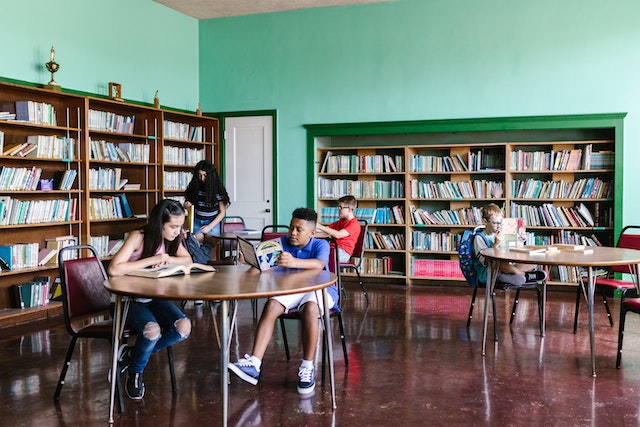 Select activities that meet developmental needs across age groups and that map to program goals. For infants, emphasize language-rich interactions: narrate routines, re-read a single board book, and provide texture-rich book toys. For toddlers, use predictable books and songs to build vocabulary and memory. For preschoolers, add dialogic reading techniques—ask open-ended questions, expand children’s replies, and introduce new vocabulary within play. These evidence-informed practices support expressive language and comprehension across the early years.
What storytime and classroom activity ideas work best during Library Lovers' Month?
Design activities that are low-prep, repeatable, and adaptable to different ages and abilities. Examples with implementation notes:
- Interactive read-aloud: Choose a picture book and plan 3 interactive stops (predict, connect, vocabulary). Use gestures and props to support comprehension.
- Story-based sensory bins: Create tactile trays tied to a book theme (e.g., farm animals) to extend vocabulary and fine motor play.
- Family bookmark project: Provide templates and simple art materials for children and families to decorate take-home bookmarks that encourage nightly reading.
- Book exchange corner: Host a classroom or family exchange where gently used books rotate through families, increasing home access to reading materials.
- Library scavenger hunt: Coordinate with the local library to create a simple, age-appropriate scavenger hunt that orients children and families to library spaces and services.
Each of these activities supports vocabulary development, print awareness, and family routines around reading. Pair activities with handouts that show simple ways caregivers can extend learning at home—these reinforcement steps increase the impact of your programming.
How can providers partner with local libraries and connect families to resources?
Reach out to your public library's outreach or early-childhood services staff to: schedule classroom visits, co-host family events, arrange library card sign-ups, or request bilingual storytime resources. When contacting library staff, be specific about ages you serve, any transportation needs, and accessibility requests. Partnerships can also extend to joint grant applications or mini-grants for family literacy nights; see local program notices and workforce supports for potential collaboration models.
For program-level outreach ideas and family partnership guidance, see related ChildCareEd articles such as How can California providers turn “community” into stronger family partnerships? and practical program examples like How can Georgia child care providers turn storytime into a school-readiness superpower?. To connect literacy efforts with funding or community supports, review pieces such as How do Georgia's mini-grants help child care and schools work together to boost early literacy? and strategies for using storytime to increase family engagement in your locale (Storytime as a Survival Strategy).
How do state regulations affect library partnerships and family outreach?
State child-care licensing rules can affect transportation for library visits, required staff-to-child ratios during off-site activities, volunteer and visitor clearances, documentation of parental consent, and what counts as allowable program outreach. Because your program may be subject to specific requirements in the states you name (for example, California, Georgia, and Maryland), confirm expectations with your state licensing agency or local resource-and-referral office before scheduling visits or co-hosting events. In practice, that means checking whether your state requires written parental permission for library trips, specific ratios or staff training for off-site supervision, background checks for volunteers, or any documentation you must retain after an event. Contact your licensing specialist or your state's child-care resource agency to verify these rules and to request any standard forms or consent templates they publish.
Additional internal resources that support planning and documentation include the CDA competency PDF guide (CDA Competency Standards Book PDF), and operational ideas for outreach and marketing (How can DC child care centers market smarter and fill open spots easily?). For program calendar ideas that extend beyond February, consider seasonally-aligned activities described in summer and field-trip planning posts (Summer Field Trips for Daycares in Maryland and Summer Field Trips for Daycares in Nevada).
How should you summarize planning for Library Lovers' Month and take next steps?
Start with a simple plan: choose two or three activities that align with your learning goals, identify one library partner contact, and prepare one family-facing takeaway (bookmark, tip sheet, or activity list). Use short staff training or a team huddle to assign roles and pick one ChildCareEd course for professional development to support implementation (for example, Reading Aloud and Storytelling or Classroom Tools for Emergent Literacy). Track family participation and follow up with families to build routines that reinforce reading at home.
What are the next steps and how do I measure success?
Turn planning into a short action plan with straightforward measures so your program can evaluate impact and refine practices.
- Plan: Select 2–3 activities that align to your curriculum and assign staff responsibilities.
- Partner: Confirm one library contact, logistics (transportation and accessibility), and any consent or clearance needed.
- Measure: Track simple indicators — family attendance at events, number of books borrowed or exchanged, and one caregiver-reported change in reading-at-home routines at a 2–4 week follow-up.
Offer one targeted professional development session to staff (for example, Reading Aloud and Storytelling) and schedule a brief post-event reflection to note lessons learned and adjust next year’s activities.
Tags: #libraries #literacy #storytime #earlyliteracy #familyengagement
Library Lovers' Month is a month-long celebration of school, public, and private libraries of all types. This is a time for everyone, especially library support groups, to recognize the value of libraries and to work to assure that the Nation's libraries will continue to serve. There are free printables for bookmarks, activities, etc. (**Link to complete article below)
- National Library Lover's Month (nationaldaycalendar.com)
- **Library Lover's Month (librarysupport.net)
*Archived from H&H's Constant Contact Newsletter
- Services at ChildCareEd
- Create your account with ChildCareEd
- Exploring ChildCareEd Subscription Options: Empowering Childcare Professionals
- Celebrate the Joy of Reading on National Book Lovers Day
- How can I market my home-based program to families in rural Michigan and the U.P.?
- What skills should child care providers put on their resume?
- Entry-Level Daycare Jobs: How to Start Your Child Care Career
- How can California providers turn “community” into stronger family partnerships?
- How can my North Dakota program make the most of food programs like CACFP?
- Free Things for Daycare Teachers: Resources, Training, and Certificates
- How can Florida child care centers run a simple, safe first-week staff onboarding plan?
- How do Georgia's mini-grants help child care and schools work together to boost early literacy?
- How can I build family engagement in my Michigan program year-round?
- How can I use simple math activities for preschoolers every day?
- How Can I Build a Diverse and Inclusive Classroom Library?
- How Can Printable Activities Save Teachers Hours of Prep Time?
- Which Low-Cost Printables Make the Biggest Classroom Impact?
- How Can Child Care Programs Celebrate Hispanic Heritage Month Meaningfully?
- Why Are Reusable Printables a Smart Investment for Child Care Providers?
- How Can a Preschool Community-Helpers Theme Respond to Real Local Needs?
