Every day in childcare we work to help children learn, play, and grow. A safe and supportive space protects children’s bodies and hearts so they can try new things. In this article you will find simple, practical steps you can use in your program today. Remember: state requirements vary - check your state licensing agency.
Why it matters:
1. When children feel #safety and #support they focus on learning instead of worry.
2. Strong routines and good relationships help children feel brave and calm.
Read more ideas in Creating Safe and Supportive Learning Environments from ChildCareEd.
What makes a learning environment safe and supportive?
- 👀 Physical safety basics:
- Check for hazards every day (sharp edges, small parts, wet floors).
- Use age-appropriate furniture and toys.
- Store medicines and cleaning supplies locked and out of reach.
- 😊 Emotional safety basics:
- Greet each child by name and listen when they talk.
- Use calm, kind words and predictable routines.
- Provide a quiet corner for children who need to calm down.
- 📚 Learn more: ChildCareEd offers courses on health and safety and trauma-informed care like Trauma-Informed Care in Childcare Settings and health & safety trainings at Health and Safety Training Resources Buy Now $0.00.
How can we plan routines and spaces to keep children safe?
- 🔢 Make a simple daily schedule:
- Use pictures for routines so children know what happens next.
- Count children at key times: before outside play, after transitions, and at pick-up.
- 🧭 Organize the room:
- Place shelves low and label bins with pictures so children can help tidy up.
- Create clear activity zones (reading, art, blocks) so you can watch all areas.
- 👩🏫 Use active supervision every day:
- Position staff for good sightlines and assign outdoor zones.
- Train staff to scan, count, and join play instead of just watching.
- ⚖️ Rules and ratios: follow licensing rules for staff-to-child ratios and post them. State requirements vary - check your state licensing agency.
- 🔁 Common mistakes and how to avoid them:
- ❌ Mistake: Skipping the pre-play safety check. ✅ Fix: Make a 2-minute huddle routine before outside time.
- ❌ Mistake: One adult covering too much space. ✅ Fix: Use a floater staff or shrink group sizes.
How do we support children’s emotions and build strong relationships?
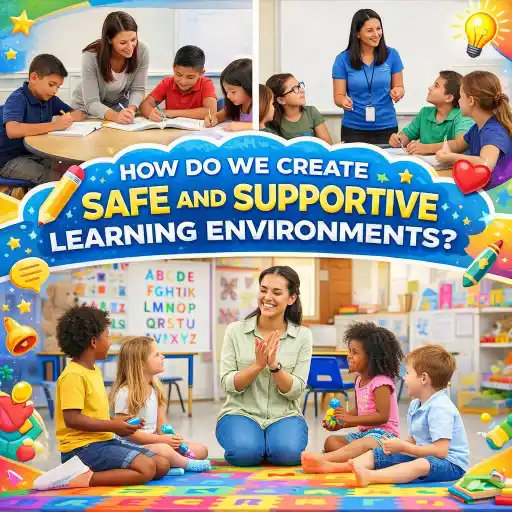
Children learn best when they feel accepted and understood. Emotional support helps them manage feelings and connect with others. Use trauma-informed, proactive guidance and teach emotional skills. ChildCareEd’s articles on proactive behavior guidance are helpful: Proactive Behavior Guidance. For concrete, play-based trauma-informed activities and lesson ideas that build resilience, see Frosty Fun: Trauma-Informed Play for Resilient Young Learners.
- 🗣️ Talk and listen:
- Notice feelings and name them: “You look sad.”
- Use short, kind directions and give choices ("Do you want the red cup or blue cup?").
- 🌿 Teach calming tools:
- Deep breaths, a quiet corner, or a squeeze ball help children calm.
- Practice these tools during calm moments so children can use them when upset.
- 🤝 Build relationships:
- Greet families and share wins each day.
- Invite family ideas and respect cultural traditions. See Partnering with Families.
- 📘 Use trauma-informed practices: shift from “What’s wrong?” to “What happened?” to respond with empathy. Read Implementing Trauma-Informed Care.
What training, partnerships, and policies help us keep safety working long-term?
Long-term success comes from training, clear policies, and working with families and the community. Use courses, drills, and tools to keep everyone ready and confident.
- 🎓 Staff training:
- Offer short, practice-based sessions: supervision, first aid, emergency drills, and behavior guidance.
- ChildCareEd has many courses like Classroom Management is Collaboration
 Buy Now $16.00 and emergency planning resources at Emergency Preparedness.
- 📞 Family and community partnership:
- Share your plan, practice reunification drills, and keep contact lists current.
- Invite families to trainings and to share cultural strengths and routines.
- 📝 Policies and practice:
- Run regular drills and document near-misses to learn and improve.
- Use checklists and posters from ChildCareEd to keep routines visible and simple.
- ✅ Quick resources:
- ChildCareEd free resources and posters: ChildCareEd Free Resources.
- National guidance: CDC and Red Cross pages on readiness for childcare providers (CDC, Red Cross).
Frequently asked questions
- Q: How often should we practice emergency drills? A: At least twice a year; many programs do quarterly drills and practice small routines more often.
- Q: How can small centers meet ratios? A: Use staggered outdoor times, add a floater staff, or reduce group size for activities.
- Q: What if a child shows signs of trauma? A: Use calm routines, listen, and connect with family. Seek training like Trauma-Informed Care.
- Q: Where can I find posters and quick checklists? A: Visit ChildCareEd’s free resource pages and course links above.
- Q: Who checks our safety plans? A: Your licensing agency and local emergency services may review plans—state requirements vary - check your state licensing agency.
Summary
1. Create simple routines and clear spaces so children know what to expect and can be safe.
2. Teach emotional skills, use kind, consistent guidance, and build strong #relationships with families.
3. Train staff, run drills, and use tools from trusted sources like ChildCareEd and the CDC.
Start small: pick one routine, one quiet space, and one training this month. Small steps add up to big results for children’s learning and well-being. Keep focusing on #safety #support #routines #relationships #inclusive every day.
A safe and supportive learning place has two parts: physical safety and emotional support. Physical safety means fewer accidents and health risks. Emotional support means children feel cared for, seen, and respected.Good planning makes safety part of every day. Use clear routines, good room setup, and active supervision to lower risks and help learning. See practical tips from ChildCareEd on active supervision at Active Supervision Tips.- 45 Hour Child Growth and Development
- CDA Preschool Credential with Portfolio Review
- Easy Steps to Resume and Interview Success
- Bienvenido! Welcoming All Families
- CDA Family Child Care Credential with Portfolio Review
- Pediatric RSV First Aid & CPR/AED
- Working Together: Teachers & Preschoolers
- 45 Hour School Age Methods and Materials
- Texas Director Credential
- The Vital Role of Professional Development
- How Neurodivergent Kids Shine During the Holidays
- Frosty Fun: Trauma-Informed Play for Resilient Young Learners
- Recursos en Español sobre el Sueño Seguro del Bebé
- ¿Qué Calificaciones Necesitas para Trabajar en Cuidado Infantil?
- Capacitación en Salud y Seguridad Preventiva en Línea para Proveedores de Cuidado Infantil
- Lista para Guardería en Casa en Illinois: Cómo Iniciar una Guardería en el Hogar
- How to Help Children Feel Safe and Welcome in Child Care
- How can learning environments support children's development?
- Canciones, juegos y preguntas de círculo para niños
- How Do We Create Safe and Supportive Learning Environments?
- How Can Task Cards Build Independent Learning Centers?
- What Makes Babies Stressed in Child Care? 7 Nursery Changes That Can Help
- How Can Child Care Providers Teach Empathy and Kindness in the Classroom?
- How Can Preschoolers Learn to Make Safer Classroom Decisions?
- How Can a Classroom Sound Map Reveal Unexpected Noise Hotspots?
- What Training Do You Need to Become a Preschool Teacher?
- What Makes a High-Quality Child Care Classroom? 10 Things Providers Should Look For
- When Does a Calm-Down Corner Become a Punishment—and How Can Educators Keep It Supportive?
