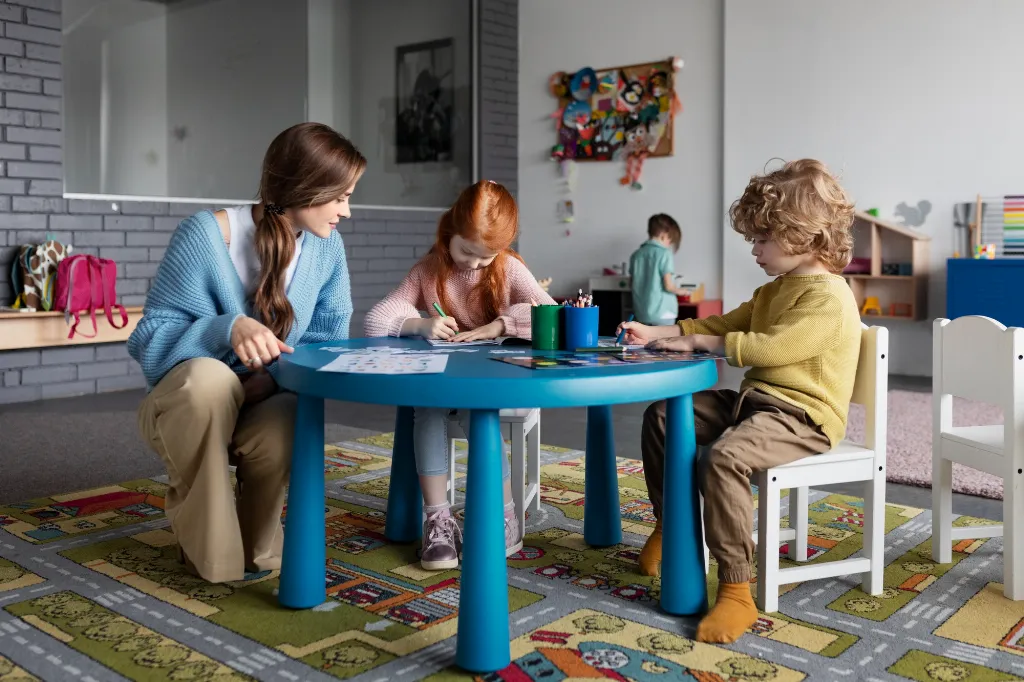
 Starting a #home #daycare means knowing the basics: #licensing, #safety, and #training. This short guide helps directors and providers with clear steps, helpful lists, and links to trusted resources so you can be confident each day. state requirements vary - check your state licensing agency.
What first steps do I take to get licensed and open legally?
1) Find your licensing office and read the rules. A friendly overview is in Daycare Licensing Requirements Made Simple. Also see step-by-step help at How to Start the Child Care Licensing Process.
2) Gather paperwork and complete background checks.
- 📄 Prepare: floor plan, enrollment forms, emergency contacts, staff lists.
- 🧾 Do background checks for all adults. Use your state portal (for example, see Illinois Background Check Portal).
3) Finish required training and safety steps before opening. ChildCareEd lists pre-service and renewal courses at Health and Safety Training Resources Buy Now $0.00 and a 24-hour family child care pre-service online option at What training do I need.
4) Schedule inspections and meet fire and health rules. Some states post local fire marshal tips (see state pages and guides like Starting an In-Home Daycare? The Ultimate Checklist).
How do I keep my home daycare safe day to day?
1) Set up safe spaces and clear zones: play, rest, meals, and storage. ChildCareEd explains classroom and home setup in Classroom Setup Buy Now $0.00.
2) Use a short daily checklist. Try these items every day:
- 🔍 Walk the indoor and outdoor spaces.
- 🧰 Check gates, locks, outlet covers, and furniture anchors.
- 🧼 Clean high-touch surfaces and toys often (CDC prevention tips: Preventing Infectious Diseases).
3) Choose safe toys. Follow guidance from trusted sources like Choosing Safe Toys.
4) Nutrition and food rules: If you use CACFP, follow program guidelines for meals and records (CACFP).
Common mistakes to avoid:
- ⚠️ Letting paperwork slide — do a 10-minute weekly binder check (ChildCareEd checklist: Ultimate Checklist).
- ⚠️ Using broken or too-small toys — check with a choke-tube rule and the KidsHealth tips.
What training and checks do I and my staff need to be legal and ready?
1) Core courses most states want:
- 🩺 CPR and First Aid for infants and children (see Red Cross and ChildCareEd options: CPR & First Aid). For background on why pediatric first aid and CPR are critical skills for anyone caring for young children, see The Lifesaving Importance of First Aid and CPR for Daycare Providers, Teachers, and Parents.
- 📘 Pre-service family child care training (ChildCareEd pre-service: What training do I need).
- 🚨 Emergency preparedness (see Emergency Preparedness Training).
2) Track training in one binder or digital folder. Save certificates from online courses like those at ChildCareEd Online Courses.
3) Background checks and health records: Keep proof ready for inspections. Use state portals (example: Illinois Background Check Portal).
4) Ongoing learning: Plan regular renewal hours. ChildCareEd has bundles and CEU courses for renewal and growth at Health and Safety Training Resources Buy Now $0.00.
How do I stay inspection-ready and handle emergencies?
1) Be inspection-ready with simple systems:
- 📁 Keep a daily "today" folder: attendance, staff schedule, incident notes.
- ✅ Do a weekly paperwork check and a daily safety walk.
- 📅 Post staffing plans so ratios stay correct at all times.
2) Practice drills and emergency kits. Build and keep an emergency kit (first aid, meds, contact list). ChildCareEd emergency planning helps with forms and lists: Emergency Preparedness.
3) During an inspection: stay calm, show your binder, and share your correction plan for any gaps. ChildCareEd offers inspection prep tips at How to Prepare for a Licensing Visit.
4) After an emergency: document, review, and update plans. Work with local agencies and resources (see state emergency planning pages like Oklahoma OCC Emergency Preparedness Plan).
Quick FAQ:
1) Do I need special in-person CPR? Some states require hands-on CPR — confirm with your agency and use approved providers like Red Cross (Red Cross).
2) Can online courses count? Many states accept approved online hours — save approvals and certificates (see ChildCareEd Online Courses).
3) What should I do first this week? 1) Call your state licensing office, 2) start your binder, 3) sign up for CPR.
Conclusion: Use small, steady steps. 1) Learn rules, 2) train and check adults, 3) set daily routines, and 4) keep clear records. For more tools and templates, explore ChildCareEd resources like the Ultimate Checklist and course lists at Online Childcare Trainings. You’re doing important work—one safe step at a time.
- Basic Health & Safety and Breastfeeding Awareness
- Administering Basic Health and Safety ONLINE
- Texas Primary Caregiver Qualification
- Pediatric RSV First Aid & CPR/AED
- Potty Training Made Simple
- 45-Hour Infant and Toddler Curriculum
- Texas Director Credential
- 24 Hour Family Child Care Pre-Service Training ONLINE
- Preventative Health and Safety
- How to Start a Daycare and Maintain Professionalism
- Navigating the Licensing and Regulations for Your Daycare
- ¿Cómo solicito la licencia para una guardería en California?
- Regulaciones de Licenciamiento de Cuidado Infantil en California para Centros y Hogares de Cuidado Infantil Familiar
- Nevada Home Daycare Checklist: How to Start a Daycare at Home
- Lista para Guardería en Casa en Illinois: Cómo Iniciar una Guardería en el Hogar
- Lista para Guardería en Casa en Texas: Cómo Iniciar una Guardería en el Hogar
- How to Open a Home Daycare in Nevada
- Daycare Center Requirements in Illinois
- How to Get a Daycare License in Virginia
- What are the basic steps for Michigan child care providers?
- How do I become a licensed child care provider in North Dakota?
- What do I need to know to provide child care in New York?
- Starting an In-Home Daycare in Texas: Requirements and Tips
- Starting an In-Home Daycare in Georgia: Requirements and Tips
- How to Get a Home Daycare License
- How do I start a legally exempt child care program in New York?
- California Home Daycare Standards: What Providers Need to Know
- Utah Home Daycare Standards: What Providers Need to Know
- How to Become a Childcare Worker in Alaska: Requirements and Steps
