When school-age children cannot settle, focus, or transition smoothly, purposeful movement can be more effective than repeated reminders to sit still. Explore Supporting School Age Development ONLINE  Buy Now $24.00 and Individual Needs & IEPs for School Age Buy Now $16.00 to strengthen your understanding of developmentally appropriate supports, accommodations, and inclusive practice while building useful professional knowledge.
Why does heavy work matter for school-age children?
Heavy work refers to movement that requires effort from large muscles and joints, including pushing, pulling, lifting, carrying, climbing, jumping, squeezing, and resisting gravity. These actions provide proprioceptive input—the sensory information that helps children understand body position, force, and movement. Occupational therapy resources describe proprioception as closely connected to body awareness, coordination, motor planning, and regulation.
For providers, the practical value is not that heavy work “fixes” behavior. Rather, it offers an active way to help some children organize their energy before homework, group discussion, meals, or transitions. Children vary substantially: one child may appear calmer after carrying books, while another may become more activated after jumping. Observe the child’s response instead of assuming that one activity works universally.
Movement also belongs in a healthy daily routine. The CDC recommends that children and adolescents ages 6–17 participate in at least 60 minutes of physical activity each day, including aerobic, muscle-strengthening, and bone-strengthening activities. Child care programs can contribute through safe, enjoyable opportunities rather than formal workouts.
- 💪 Heavy work can support body awareness and purposeful movement.
- It may help some children prepare for seated learning.
- It can build responsibility when embedded in meaningful classroom jobs.
- It should remain voluntary when used as a sensory support, respectful, and developmentally appropriate.
Which pushing activities can providers offer safely?
Pushing activities engage the legs, shoulders, arms, and core. They can be playful, functional, and easy to adapt for different ages and abilities. Begin with light resistance and a short duration. The goal is controlled effort—not exhaustion or competition.
- Push a sturdy cart containing lightweight classroom supplies.
- Move a large soft ball across the floor and toward a marked target.
- Complete wall push-ups, keeping hands at a comfortable height.
- Push a laundry basket filled with soft items across a clear pathway.
- Help rearrange lightweight chairs for centers, meetings, or cooperative games.
- Use a broom, dry mop, or table-cleaning cloth during supervised cleanup.
- Push a wheelbarrow-style object outdoors only when equipment and surfaces are appropriate.
Turn these activities into meaningful participation. A child might push a supply cart to the art area, help move floor mats for a group project, or push a soft ball while answering review questions. This preserves dignity because the child is contributing to the community rather than being singled out for “needing a break.”
Inspect equipment before use, clear pathways, and establish boundaries. Avoid unstable furniture, excessive weight, slippery floors, or pushing toward peers. Active supervision remains essential, particularly during transitions and outdoor play.
 How can pulling, carrying, and lifting become purposeful routines?
Pulling and carrying provide resistance while also developing planning, cooperation, and independence. School-age children often respond positively when movement is connected to a real responsibility or a challenge they helped design.
- Pull a wagon containing soft toys, sports equipment, or books.
- Participate in a supervised tug-of-war using a strong rope and clear stop signals.
- Carry a small stack of books to the reading area or library cart.
- Deliver folders, art materials, or messages to another classroom with adult guidance.
- Carry empty recycling containers or lightweight equipment to a designated location.
- Roll and unroll floor mats for yoga, games, or group projects.
- Move water in a partially filled, child-sized container for gardening.
- Collect playground balls and return them to storage.
Match the demand to the child. “Heavy” should mean effortful but manageable, never painful or unsafe. Avoid assigning weighted backpacks, vests, blankets, or other weighted equipment without guidance from an appropriately qualified professional and careful attention to program policy.
Use collaborative language: “Would you like to carry the books or organize the art bins?” Choices support autonomy and reduce the chance that movement feels punitive. For children with documented accommodations, coordinate with families and relevant school personnel so classroom responsibilities align with the child’s plan.
Keep a brief observation record: activity, duration, context, and response. This helps staff identify whether carrying before homework improves participation, whether tug-of-war creates too much excitement, or whether a quieter task is preferable.
Which movement games work well indoors and outdoors?
Games provide a natural way to combine heavy work with social connection, problem-solving, and academic engagement. School-age children appreciate novelty, choice, and an opportunity to improve a skill rather than being told simply to “burn energy.”
- Animal walks: bear, crab, frog, or inchworm movements across a safe surface.
- Obstacle courses using cones, floor tape, cushions, and stable equipment.
- Relay races that involve carrying beanbags, books, or soft balls.
- Climbing, hanging, and traversing age-appropriate playground equipment.
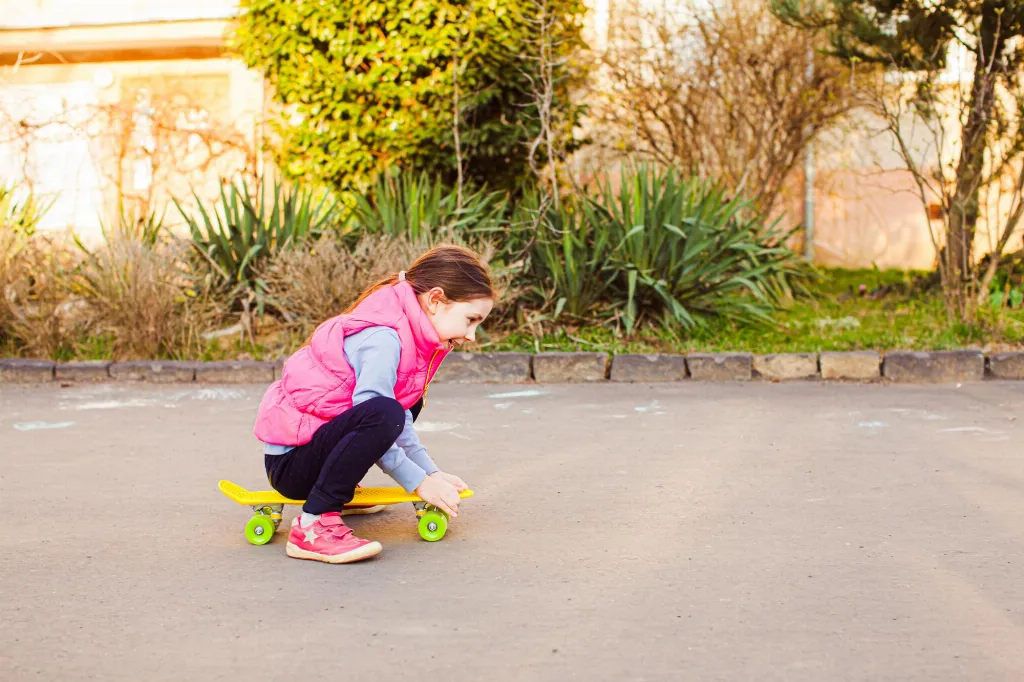
- Hill walks, scooter activities, or bicycle riding with appropriate supervision.
- Jumping games, hopscotch, jump rope, or low-impact “freeze and move” games.
- Partner resistance games in which children press palms gently and stop on a signal.
- Movement-based scavenger hunts that require walking, squatting, reaching, and carrying.
For indoor settings, define boundaries before beginning: where children move, how they pass, what equipment may be touched, and what “stop” means. Offer alternatives for children who cannot or do not want to perform a particular movement. A child might complete the course by walking, rolling a ball, using a visual checklist, or serving as the timekeeper.
Connect movement to learning by placing vocabulary cards along a route, asking children to solve a problem at each station, or having teams transport materials for a STEM challenge. Movement becomes part of the curriculum rather than a disruption to it.
Remember that vigorous movement can increase arousal. Follow active games with water, breathing, stretching, quiet reading, or a predictable transition routine. The goal is participation and readiness—not simply greater intensity.
How should providers individualize heavy work and support inclusion?
Heavy work is not a diagnosis, treatment, or universal sensory prescription. Children may seek movement, avoid it, or respond differently depending on noise, fatigue, hunger, social demands, and time of day. Observe patterns across routines and avoid labeling a child from one incident.
Use a simple decision process:
- Identify the context: When does the child struggle—arrival, homework, meals, transitions, or group activities?
- Offer two or three choices: carrying, pushing, stretching, walking, or a quiet alternative.
- Start briefly and monitor body language, communication, safety, and engagement.
- Document what happened before and after the activity.
- Discuss persistent patterns with families and follow established referral procedures.
Adapt the space, materials, and steps. Reduce visual clutter, provide clear pathways, use visual schedules, and offer predictable movement breaks. Children with IEPs or other individualized supports should receive accommodations consistently and respectfully. Heavy work should never be used to force compliance, punish a child, or delay access to learning.
When concerns substantially affect safety, eating, learning, participation, or relationships, partner with the family and appropriate professionals, such as an occupational therapist or pediatric provider. State requirements vary - check your state licensing agency before introducing specialized equipment or changing procedures.
What common mistakes should teams avoid?
Even well-intended movement plans can create problems when they are overly intense, poorly supervised, or disconnected from the child’s needs. A reflective team approach protects both children and staff.
- Using one activity for everyone: Offer choices and observe individual responses.
- Making movement a consequence: Present it as a supportive option or meaningful responsibility, not punishment.
- Overloading equipment: Use manageable resistance and avoid improvised weights.
- Ignoring transitions: Plan how children will slow down and return to learning.
- Skipping documentation: Record brief, objective observations rather than assumptions.
- Forgetting inclusion: Provide alternate roles and movement pathways so every child can participate.
Directors can strengthen implementation by creating a shared list of approved activities, reviewing supervision expectations, checking equipment, and discussing observations during staff meetings. A simple template might include the child’s context, selected activity, length, response, and next adjustment.
Family communication should be strengths-based: “We noticed that carrying the book basket before homework helped Jordan join the group more comfortably. Do you see anything similar at home?” This invites collaboration without implying a diagnosis or promising a particular outcome.
Most importantly, preserve playfulness. A classroom where children can move, contribute, and make choices is often more supportive than one that treats movement as a problem to eliminate.
Conclusion: How can programs use heavy work effectively?
Push, pull, carry, and move activities can give school-age children meaningful opportunities to use their muscles, develop coordination, contribute to classroom routines, and prepare for participation. The central question is not “Which activity will calm every child?” but “Which safe, purposeful movement option helps this child engage in this context?”
- Start with functional jobs and short movement choices.
- Use safe, manageable resistance and active supervision.
- Connect activities to curriculum, cooperation, and independence.
- Observe responses and adjust rather than relying on assumptions.
- Partner with families and professionals when concerns persist.
For additional professional learning, consider Supporting School Age Development Buy Now $35.00, Designing Your School Age Classroom Buy Now $35.00, and Lesson Planning to Meet School Age Needs Buy Now $16.00. Together, these courses can help providers plan developmentally appropriate environments and activities that honor children’s strengths.
With thoughtful planning, heavy work becomes more than a sensory strategy: it becomes an inclusive invitation to participate, belong, and grow.
- Watch Me Grow: School Age Development ONLINE
- 45-Hour School Age Curriculum
- CDA Home Visitor Subject Area 3 Part 3 Birth to 5
- CDA Home Visitor Subject Area 2 Part 3 Birth to 5
- Language Development in School Age
- 45 Hour School Age Methods and Materials
- Creating Environments that Nurture Growth and Community
- Supporting School Age Development ONLINE
- CDA Certification en Español: Recursos y Consejos para Educadores Bilingües
- 🥦✨ ¿Cómo apoyar a los niños selectivos a probar nuevos alimentos sin presión?
- ¿Cuáles son las habilidades principales que toda maestra de guardería necesita?
- Menos Estrés a la Hora de Comer: Rutinas Simples Que Sí Funcionan
- ¡Obtén Tu Certificación de Cuidado Infantil de 90 Horas En Línea!
- ¿Cuáles son los pasos, los requisitos y las opciones en línea para la certificación de 90 horas para cuidado escolar en Maryland?
- ¿Cómo puedo usar escenarios de juego de roles de primeros auxilios en mi aula?
- ¿Cómo puedo enseñar habilidades de primeros auxilios con escenarios de juego de roles?
- ¿Cómo afecta la dopamina a los niños: señales, efectos e influencias diarias?
- Actividades de Motricidad Gruesa que Desarrollan el Equilibrio, la Coordinación y la Fuerza
- Actividades de Fiesta para Niños de Preescolar y Primaria
- Proporciones de Cuidado Infantil y Tamaños de Grupo por Edad en Maryland (Guía Rápida para Centros y Hogares)
- Proporciones de Cuidado Infantil y Tamaños de Grupo por Edad en Wisconsin (Guía Rápida para Centros y Hogares)
- Proporciones de Cuidado Infantil y Tamaños de Grupo por Edad en Nueva Jersey (Guía Rápida para Centros y Hogares)
- Cómo Celebrar el Día Nacional del Kindergarten
- Capacitación Previa al Servicio para Proveedores de Cuidado Infantil en Dakota del Norte
- Capacitación Previa al Servicio para Proveedores de Cuidado Infantil en Maryland
- Calabazas, hojas y manzanas: actividades de otoño para preescolares
- Push, Pull, Carry, Move! Heavy Work Activities for School-Age Kids
- Proporciones para guarderías en casa bajo el Título 22: Cómo la mezcla de edades cambia su capacidad en California
