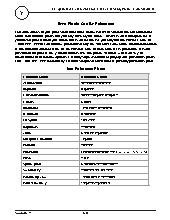
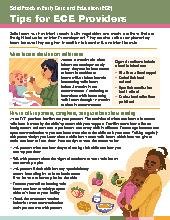
A practical, easy-to-follow tip sheet for early educators introducing solid foods safely in child care settings. In early care and education settings, introduce solid foods when infants show develo... Read more
Talking with babies and toddlers is a brain building activity! Every time you talk to a baby and have a high-quality back-and-forth interaction, new connections in that baby’s brain are made. The... Read more
Talking, reading, and singing with young children every day helps build their language skills and supports early brain development. These simple shared activities also strengthen caregiver-child bo... Read more
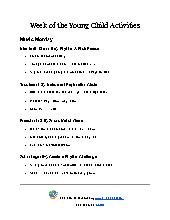
Week of the Young Child activities celebrate young children's learning and development through play-based, hands-on experiences that spark curiosity and creativity. Popular activities include art p... Read more
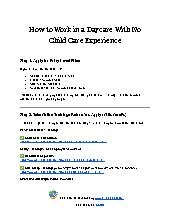
If you have no childcare experience, emphasize transferable skills like patience, communication, reliability, and any informal experience (babysitting, tutoring, volunteering) when applying for ent... Read more
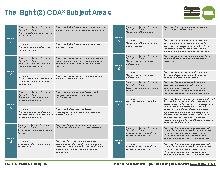
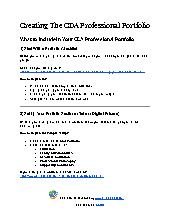
Creating the CDA Professional Portfolio involves collecting evidence that demonstrates your knowledge, skills, and competency in early childhood care and education. It typically includes your profe... Read more
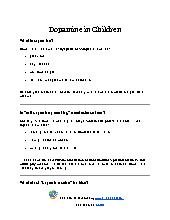
Dopamine is a key neurotransmitter in children’s developing brains that helps regulate reward, motivation, attention, and motor control. Proper dopamine signaling supports learning, goal-directed... Read more
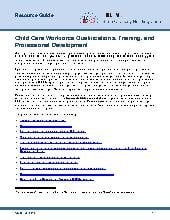
The child care workforce requires clearly defined qualifications such as minimum education levels, background checks, CPR/first aid and early childhood credentials or state licensing to ensure care... Read more
Bring the Festival of Lights into your classroom with fun! Children can explore sparkling “light” sensory play, create simple menorah-inspired crafts, spin and count with dreidel games, and sha... Read more
Veterans Day activities for kids can include age‑adaptable crafts (paper flags, gratitude cards, or memory boxes), classroom lessons and read‑alouds about service, and interactive projects like... Read more
This resource is designed to help child care providers and teachers celebrate family diversity with respect and care. It includes age-appropriate activities for infants, toddlers, preschoolers, and... Read more
Halloween offers a variety of all-ages activities such as pumpkin carving or decorating, costume parades, fall festivals, and community "trunk-or-treat" events that keep the fun friendly and access... Read more
Columbus Day activities for all ages is a flexible set of classroom ideas focused on maps, navigation, curiosity, and respectful learning. Children from infants to school-age can explore land-and-w... Read more
This inclusive, developmentally appropriate resource helps early learning programs recognize Rosh Hashanah (the Jewish New Year) through classroom-friendly themes like new beginnings, kindness, ref... Read more
Children can learn about Hajj through age-appropriate storytelling and role-play that introduce rituals like Ihram, Tawaf, Sa'i, and the standing at Arafat in simple, meaningful ways. These classro... Read more
Developmental Disabilities Awareness Month is a great time to teach inclusion in an age-appropriate way. This free resource includes classroom activities from birth through school age with material... Read more
Around the World classroom activities let students "visit" different countries through themed stations, presentations, or virtual tours to explore customs, languages, and landmarks. These activitie... Read more
Signs of #abuse and #neglect can vary depending on the ages of the individuals involved. In #children, some common signs may include unexplained bruises, withdrawal from normal activities, sudden c... Read more
The Universal Checklist and Cover Letter Form is a highly versatile and essential tool for #administrators, as it provides a comprehensive checklist for various #administrative tasks and a standard... Read more
Daycares can support children with special needs by creating inclusive routines, adapting activities, and using visual supports so each child can participate at their own pace. Trained staff, stron... Read more
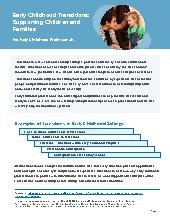
From birth to age five, children rapidly develop social and emotional skills—forming secure attachments, expressing basic emotions, and beginning to regulate feelings with caregiver support. Resp... Read more
Gross motor activities involve large-muscle movements like running, jumping, throwing, climbing, and walking that build strength, coordination, and cardiovascular fitness. They support development ... Read more
Fostering healthy social and emotional development in young children begins with warm, responsive relationships that provide consistent routines, clear boundaries, and a sense of safety. Caregivers... Read more
Assistive technology for infants and #toddlers refers to a variety of tools and devices designed to support their developmental and communication needs. These technologies can include communicatio... Read more