Latest Blog & News

What Are Simple Ways to Encourage Curiosity and Question-Asking in Young Children?
10/12/2026Every “why?” is an opening for connection, language, and discovery—not a demand for a perfect answer. Try the practical strategies below to make questions welcome in your program, and explore Building Early Science Foundations for focused professional learning on supporting young c... What Are Simple Ways to Encourage Curiosity and Question-Asking in Young Children?
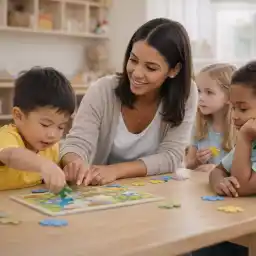
What Should Preschool Teachers Do When Children Rush Through Activities?
10/11/2026When children finish an activity in a flash, it can be tempting to add more work or hurry the whole group along—but speed alone does not tell you what a child has learned. Explore practical ways to respond with curiosity, offer meaningful next steps, and protect time for deeper play; ChildCare... What Should Preschool Teachers Do When Children Rush Through Activities?

Why Health, Emotions & Learning Are Inseparable in Early Childhood
10/01/2025Close your eyes for a moment and imagine a #toddler making a castle out of blocks. She pauses, frowns, rearranges, rebuilds, smiles. What’s happening in that moment is not just #play — it’s a dance of body, mind, and heart. In #early-childhood, health, emotions, and learning don&r... Why Health, Emotions & Learning Are Inseparable in Early Childhood

National Grouch Day: Turning Grouches into Giggles, Teaching Kids about Handling Negative Emotions
10/14/2024National Grouch Day, invites us to take a moment to reflect on the often-overlooked emotions of grumpiness and frustration. By fostering an environment where children can explore their emotions, we can help them develop essential skills in emotional intelligence and coping strategies. Consider trai... National Grouch Day: Turning Grouches into Giggles, Teaching Kids about Handling Negative Emotions

How Do You Explain Ego to a Child Without Making It Sound Like a Bad Thing?
08/14/2026Children deserve to understand that having a sense of self is healthy—not something shameful. For practical strategies that connect emotional development, empathy, and everyday caregiving, explore Opportunity for Growth: Emotional Development; the course can strengthen classroom practices and ... How Do You Explain Ego to a Child Without Making It Sound Like a Bad Thing?

Emergency Preparedness training
10/11/2021Natural and human-caused disasters can occur with little warning. Because young children depend on adults for protection, child care providers need procedures they can carry out while supervising a group. A written emergency plan helps staff make decisions before a crisis, clarify responsibilities, ... Emergency Preparedness training
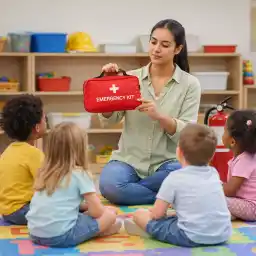
What Emergency Preparedness Does Every Child Care Program Need?
07/16/2026Every child care program needs a clear, written, and regularly practiced emergency plan that protects children during both everyday incidents and major disasters. Effective #emergency #preparedness includes procedures for evacuation, shelter-in-place, lockdowns, severe weather, medical emergencies, ... What Emergency Preparedness Does Every Child Care Program Need?

Emergency and Disaster Preparedness Training Online: What Will You Learn?
08/11/2026When an emergency interrupts the routines of a child care program, prepared adults can turn uncertainty into coordinated action. Online training helps providers strengthen safety practices, earn relevant professional development hours, and build a response plan that reflects the children, families, ... Emergency and Disaster Preparedness Training Online: What Will You Learn?

Evacuate, Shelter, or Lock Down? How to Respond to Different Child Care Emergencies
08/28/2026A clear decision in the first moments of an emergency can protect children, reduce confusion, and help staff remain calm. The Stay Alert! Steps for Emergency Prep course offers practical training on evacuation, shelter-in-place, lockdown, communication, drills, and emergency kits so providers can st... Evacuate, Shelter, or Lock Down? How to Respond to Different Child Care Emergencies
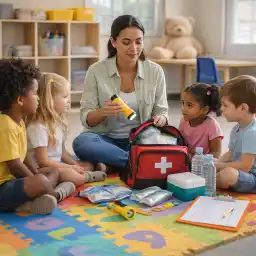
What Should Be Included in a Child Care Emergency Preparedness Plan?
10/04/2026A clear emergency plan helps your team protect children, communicate with families, and make sound decisions when every moment matters. ChildCareEd’s Emergency and Disaster Preparedness – Online course offers child care-specific learning on response procedures and emergency planning; exp... What Should Be Included in a Child Care Emergency Preparedness Plan?
