Latest Blog & News
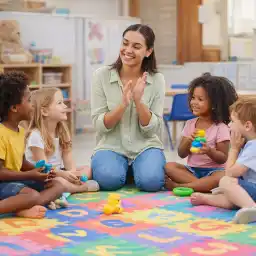
What Is Purposeful Play—and Why Is It Replacing Worksheets?
09/14/2026When a worksheet measures completion more than understanding, purposeful play offers a richer path to observe children thinking, communicating, and solving problems. Strengthen your classroom practice with The Best Promotion is Play, a relevant professional-development course that explores play&rsqu... What Is Purposeful Play—and Why Is It Replacing Worksheets?
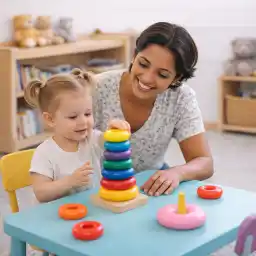
How Can Providers Show Families the Learning Behind Play?
09/14/2026When families see only blocks, paint, or pretend play, they may miss the rich learning taking place underneath. Providers can make that learning visible through purposeful explanations, authentic documentation, and respectful partnerships; for a deeper foundation, explore The Best Promotion is Play ... How Can Providers Show Families the Learning Behind Play?
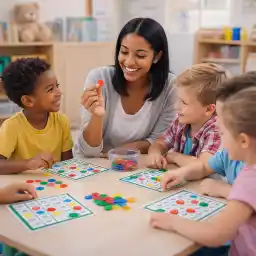
How Can Bingo Games Make Learning Feel Like Play?
09/14/2026When preschoolers eagerly ask for “one more round,” a simple bingo board is doing more than entertaining them—it is creating repeated opportunities to listen, think, communicate, and connect ideas. Thoughtfully facilitated bingo can strengthen classroom practice while preserving ch... How Can Bingo Games Make Learning Feel Like Play?
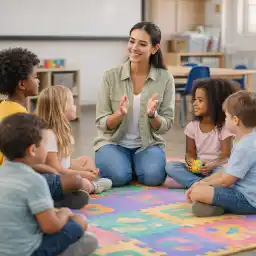
How Can Universal Design Make Every Classroom More Inclusive?
09/14/2026What if inclusion could be built into the classroom before a child encounters a barrier? Universal Design for Learning (UDL) helps providers plan flexible environments, instruction, and communication so more children can participate from the beginning. For practical support with inclusive lesson des... How Can Universal Design Make Every Classroom More Inclusive?
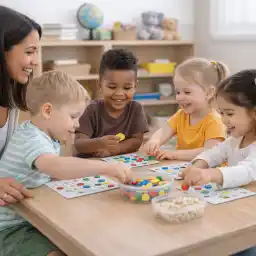
What Skills Can Preschoolers Build Through Bingo?
09/14/2026Could a simple bingo board become a powerful tool for building language, attention, early academic concepts, and social-emotional skills? When thoughtfully adapted, bingo gives preschoolers repeated, joyful practice with listening, matching, vocabulary, memory, self-regulation, and cooperation. For ... What Skills Can Preschoolers Build Through Bingo?
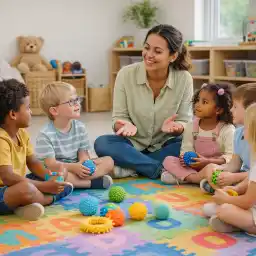
What Does a Neurodiversity-Affirming Classroom Look Like?
09/14/2026What if a classroom could support regulation, communication, and learning without asking children to hide who they are? A neurodiversity-affirming approach helps providers adapt environments and expectations so children can participate with dignity and confidence. For deeper, classroom-focused guida... What Does a Neurodiversity-Affirming Classroom Look Like?
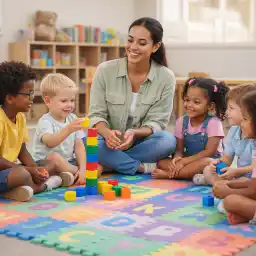
How Can Child Care Providers Teach Young Children to Take Turns?
09/14/2026When two children reach for the same truck, the moment can become either a power struggle or a meaningful lesson in cooperation. Intentional turn-taking practice helps children build communication, patience, empathy, and self-regulation; for deeper guidance, explore Supporting Social Learning: Creat... How Can Child Care Providers Teach Young Children to Take Turns?

How Can Child Care Providers Strengthen Young Children’s Listening Skills?
09/14/2026When children struggle to listen, everyday routines can feel harder for everyone—but responsive practice can turn those moments into opportunities for connection and learning. Explore Open Ears: Listening in Child Care to deepen active and empathetic listening strategies, strengthen communicat... How Can Child Care Providers Strengthen Young Children’s Listening Skills?
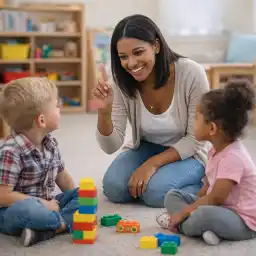
How Can Child Care Providers Create Classroom Rules That Children Understand and Use?
09/14/2026Clear classroom rules can reduce confusion, strengthen relationships, and help children participate more independently—but only when rules are taught as skills rather than posted as warnings. For practical support with positive discipline, consistent expectations, and a usable classroom manage... How Can Child Care Providers Create Classroom Rules That Children Understand and Use?
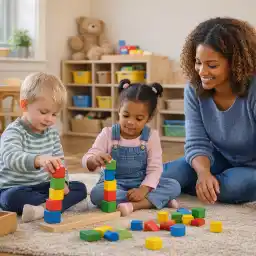
How Can Child Care Providers Teach Sharing Without Forcing It?
09/14/2026When two children reach for the same truck, the goal is not simply to make one child surrender it—it is to build communication, self-regulation, empathy, and cooperation. Providers seeking a deeper foundation can explore Supporting Social Learning: Creating Classrooms that Care, which offers p... How Can Child Care Providers Teach Sharing Without Forcing It?
