What Are CPR and First Aid, and Why Do They Matter in Child Care?
CPR (Cardiopulmonary Resuscitation) and First Aid are life-saving skills. CPR helps when someone is not breathing or when their heart has stopped. First Aid helps treat injuries and sudden illness until medical help arrives.
In child care settings, emergencies can happen at any time. Children may choke, fall, have allergic reactions, or stop breathing. Because young children cannot always explain what is wrong, child care providers must be ready to act fast and correctly.
CPR and First Aid training gives providers the skills and confidence to respond in these moments. #ChildCareSafety
Why Are Young Children at Higher Risk for Emergencies?
Young children are still growing and learning how their bodies work. They explore the world with curiosity, which can sometimes lead to danger.
Children are more at risk because they:
- Put small objects in their mouths
- Are still learning balance and coordination
- Have developing immune systems
- May not recognize danger
Because of these risks, child care providers must always be prepared to respond to emergencies.
How Does CPR and First Aid Training Protect Children?
Training helps providers know what to do instead of panicking. When caregivers act quickly and correctly, outcomes can improve.
CPR and First Aid training helps providers:
- Recognize #emergency signs
- Respond calmly and quickly
- Use correct techniques for infants and children
- Prevent small injuries from becoming serious
These skills can truly save lives. #CPRTraining
What Types of Emergencies Can Happen in Child Care?
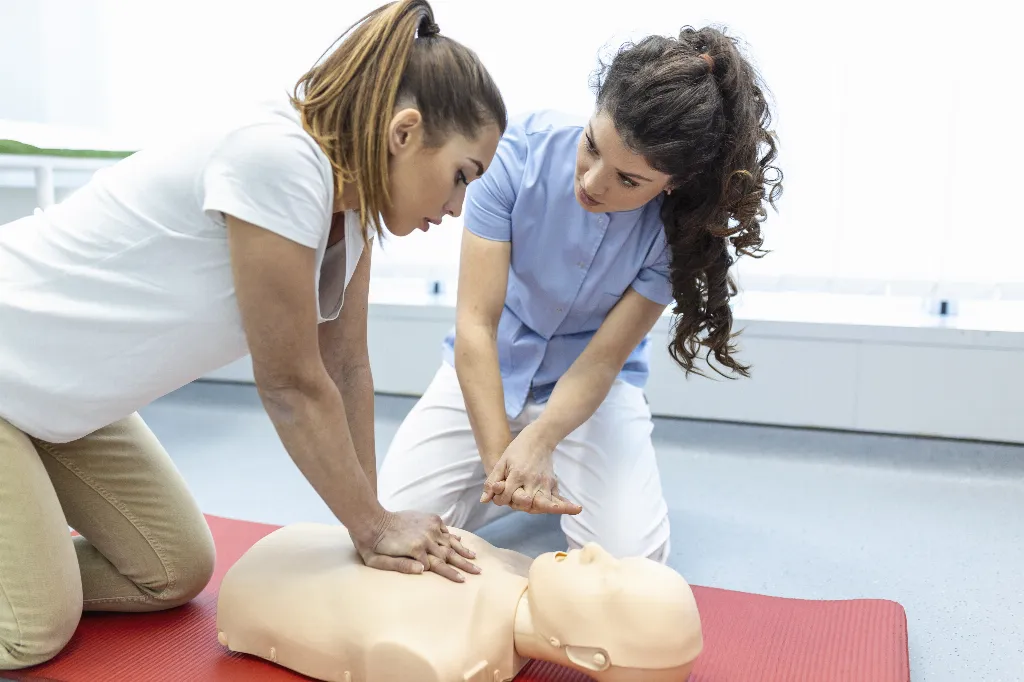
Emergencies in child care can be sudden and unexpected.
Common situations include:
- Choking
- Allergic reactions
- Asthma attacks
- Falls and head injuries
- Bleeding and cuts
- Burns
- Seizures
Knowing how to respond during these situations helps keep children safe until help arrives.
Why Is CPR and First Aid Training Required for Child Care Providers?
Most states require child care providers to have current CPR and First Aid certification. These requirements are in place to protect children and ensure safe care.
Training helps providers:
- Meet licensing rules
- Follow #health-and-safety standards
- Protect themselves legally
- Build trust with families
Families feel safer knowing trained professionals are caring for their children.
How Does Training Build Confidence for Providers?
Emergencies are stressful. Without training, providers may freeze or feel unsure.
Training builds confidence by:
- Teaching step-by-step responses
- Allowing practice in safe settings
- Explaining what to look for
- Helping providers stay calm
Confidence helps providers act quickly and clearly when seconds matter.
What Is the Difference Between Infant, Child, and Adult CPR?
CPR is not the same for everyone. Techniques change based on age and size.
Training teaches providers:
- How to perform infant CPR
- How child CPR differs from adult CPR
- Proper hand placement and pressure
- When and how to give rescue breaths
Using the correct method is very important for safety and effectiveness.
How Does First Aid Training Help with Everyday Injuries? 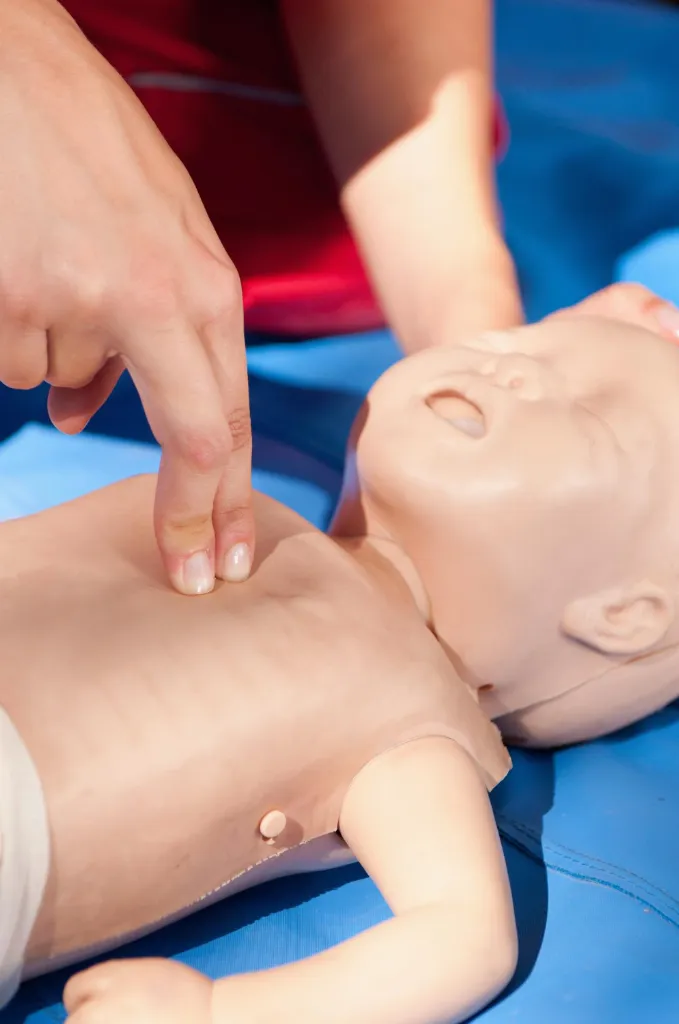
Not all emergencies are life-threatening. First Aid training helps providers handle common injuries safely.
First Aid training covers:
- Treating cuts and scrapes
- Managing nosebleeds
- Handling minor burns
- Responding to bumps and bruises
- Knowing when medical care is needed
Quick and proper care can reduce pain and prevent infection. #HealthAndSafety
How Often Should CPR and First Aid Training Be Updated?
CPR and First Aid skills should be updated regularly. Most certifications must be renewed every 1–2 years.
Regular training helps providers:
- Stay up to date on best practices
- Refresh hands-on skills
- Learn new safety guidelines
- Maintain compliance
Skills improve with practice and review.
Training Courses That Support CPR and First Aid Skills
ChildCareEd offers professional training courses that support #health-and safety requirements for child care providers.
Here are two directly related training courses:
-
CPR & AED Adult, Child, Infant - In Person Buy Now $90.00
-
Adult Only CPR AED and Adult First Aid Blended Buy Now
$85.00$80.00
These courses help providers:
- #CPR techniques
- First Aid for common emergencies
- Adult First Aid for common emergencies
Free ChildCareEd Resource for Safety Support
ChildCareEd also offers free resources to help child care professionals stay informed and prepared.
These resources support:
- Health and safety planning
- Professional growth
- Best practices in child care
Related ChildCareEd Article
Reading professional articles can help providers learn more about safety topics.
Visit the ChildCareEd article library here:
Look for articles related to:
- Health and safety
- Emergency planning
- Child care regulations
How Does CPR and First Aid Training Build Family Trust?
Families trust child care providers with what matters most—their children. Knowing providers are trained in CPR and First Aid builds confidence.
Training shows families that providers:
- Take safety seriously
- Are prepared for emergencies
- Follow professional standards
This trust supports strong relationships between families and programs.
Stay Connected with ChildCareEd
ChildCareEd shares tips, training updates, and safety reminders for #early-childhood professionals.
👉 Follow ChildCareEd on Instagram for helpful content and encouragement:
Staying connected helps providers stay informed and prepared.
Final Thoughts
CPR and First Aid training is essential for every child care provider. Emergencies can happen at any time, and being prepared can make a life-saving difference.
With proper training, providers gain skills, confidence, and peace of mind. These skills protect children, support families, and strengthen the quality of child care programs. Investing in CPR and First Aid training is not just a requirement—it is a responsibility and a commitment to keeping children safe every day.
- Adult/Child/Infant CPR AED and Adult First Aid Blended
- Basic Health & Safety and Breastfeeding Awareness
- Basic Life Support (BLS) In-Person Healthcare Providers
- Adult Only CPR AED and Adult First Aid Blended
- Basic Life Support (BLS) Blended Healthcare Providers
- Pediatric Blended First Aid & CPR/AED Adult, Child, Infant
- Pediatric RSV First Aid & CPR/AED
- Pediatric In-Person First Aid & CPR/AED Adult, Child, Infant
- Texas Director Credential
- CPR for childcare providers: what to know
- Focus on Health and Safety Training
- First Aid and CPR Certification: What to Expect from Your Training Course
- The Benefits of CPR Remote Skills Training
- Keeping Our Youngest Students Safe: The Vital Importance of Pediatric First Aid and CPR Training for Teachers
- A Lifeline for Little Ones: Why First Aid and CPR Training is Essential for Teachers and Parents
- Life-Saving Skills for Childcare Providers and Teachers: Why First Aid and CPR Matter
- CPR Labor Day Weekend Sale ~ Prepare for the New School Year with Pediatric First Aid and CPR
- Pediatric First Aid and CPR Training with ChildCareEd - Empower Yourself!!
- Save Lives With Skill: CPR Training
- Basic Health and Safety Training: The Essential Guide for New Child Care
- Regulaciones de Licenciamiento de Cuidado Infantil en California para Centros y Hogares de Cuidado Infantil Familiar
- Lista para Guardería en Casa en Texas: Cómo Iniciar una Guardería en el Hogar
- How to Become a Childcare Worker in Oregon: Requirements and Steps
