Those few minutes before lunch, while children wait to wash their hands, or after a schedule change can feel surprisingly long. A small repertoire of screen-free activities helps preschoolers stay connected, practice skills, and move smoothly into what comes next. For a deeper look at making media purposeful rather than a default time-filler, explore ChildCareEd’s Technology as a Classroom Tool  Buy Now $16.00; it offers guidance for considering media’s effects on development and choosing ways technology can support lessons.Advance planning also supports staff. A simple list of no-prep options reduces the pressure to improvise when the room is busy. ChildCareEd’s Indoor Rainy Day Activity Pack: 50+ Ideas for Preschool & Child Care Buy Now $1.49 is relevant beyond rainy days: its categorized active, creative, STEM, math, sensory, and quiet-time prompts can help providers build a flexible menu for indoor gaps, too.
Why are short, screen-free gaps worth planning for?
Brief pauses are part of real classroom life: a colleague is preparing materials, a transition takes longer than expected, or children finish at different times. These moments do not need to become another lesson or a perfectly silent waiting period. With a few predictable choices, they can become manageable opportunities for children to practice #language, attention, cooperation, and self-regulation.
Screen-free does not mean adults must entertain children every minute. A short, open-ended invitation can give children room to initiate ideas and engage with peers. Keep expectations realistic: a two-minute fingerplay or a quick observation game may be enough. The aim is a supportive bridge to the next routine, not a performance or a demand that every child participate in the same way.
Which no-material activities work during transitions?
Transition activities are most helpful when they are brief, familiar, and connected to the move children are making. Give a clear cue, name what happens next, and let the activity carry children toward it. A song or rhythm can signal cleanup; a movement prompt can guide the walk to the carpet without turning the classroom into a race.
- Copy my pattern: Clap or tap a simple rhythm and invite children to echo it. Change one part for an extra listening challenge.
- Animal walk: Move safely to the next area like slow turtles, tiptoeing mice, or stretching cats. Adapt the movement for the available space and each child’s mobility.
- I Spy: Choose a visible classroom object by color, shape, or use. Children can point, describe, gesture, or guess.
- Fingerplay or familiar song: Use a short rhyme with hand actions to gather the group or calm the pace.
- First-then cue: Pair a clear expectation with what follows: “First put the blocks in the basket, then we’ll choose a book.”
Visual schedules and consistent auditory signals help children anticipate changes, especially when routines shift. Keep directions concrete and warm; avoid rushing children who need extra time to disengage from a preferred activity. These simple, repeatable #transitions can build predictability without relying on a device.
What can children do during unexpected downtime?
When a short delay appears, choose an activity that fits the group’s energy, space, and supervision needs. No-prep options are especially useful because children can begin immediately and stop easily when the next routine is ready. Offer a small number of choices rather than calling attention to a long wait.
- Question of the moment: Ask, “What might a tiny mouse pack for a rainy walk?” Invite a few ideas, without requiring every child to speak.
- Spot-and-count: Find three circles, count the chairs, or look for something rough and something smooth.
- Invisible drawing: Trace a shape in the air with a finger; peers can guess, copy, or invent another.
- Quiet body reset: Stretch like a tall tree, then take one slow breath before moving on.
- Child helper role: Invite a child to hold the next picture card, choose a song, or help carry a lightweight item, with adult oversight.
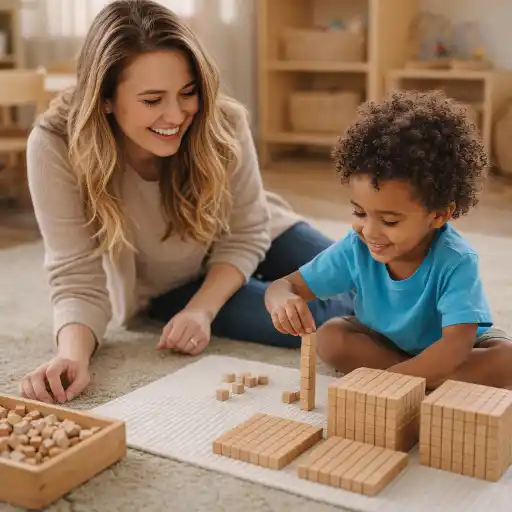
Not every gap needs an activity. If children are settled and safe, a little unstructured time can allow conversation, observation, or self-directed play to emerge. Acknowledge children who prefer to watch first, and give support without framing a pause as misbehavior or a problem to fix.
How can a quick activity meet different needs safely?
Short activities work best when the setup is simple and participation is flexible. Before starting, consider children’s ages, communication styles, sensory preferences, mobility, and the room layout. A movement game may be a welcome reset for some children and uncomfortable for others; provide a seated action, observer role, or quieter alternative so everyone has a way to belong.
Use materials only when they are appropriate for the children in the group, and maintain active supervision. For example, a soft ball pass needs enough space and clear expectations; loose objects or sensory materials require closer attention and age-appropriate selection. Avoid activities that block walkways, invite running in a crowded room, or require staff to look away from the group.
- Keep the activity short enough to end naturally when the schedule resumes.
- Use concise instructions and demonstrate rather than over-explain.
- Make room for children to opt in, observe, or choose another suitable role.
- Adjust volume, movement, materials, and group size to the setting.
- 🧩 Keep a small “gap-time” basket nearby with picture prompts, sturdy books, and a few safe, open-ended materials.
State requirements vary - check your state licensing agency. A thoughtful plan should complement—not replace—your program’s supervision and safety procedures.
How can providers build a practical screen-free activity menu?
A reliable activity menu does not need to be elaborate. Make a short list organized by time and energy: one-minute attention cues, two-to-five-minute movement or language games, and calm choices for waiting. Keep it where staff can see it, and discuss which options work best for different parts of the daily schedule. Involving the team helps create consistent cues across classrooms and reduces last-minute decision-making.
After trying an activity, notice what children do: Do they join, communicate, settle, or need a different level of support? Use those observations to refine the menu rather than assuming one strategy fits every group. The ChildCareEd Indoor Rainy Day Activity Pack can add a wider range of categorized ideas when you want to expand beyond familiar songs and games. It is a resource for inspiration and planning, while the Technology as a Classroom Tool course Buy Now $16.00 offers a more complete learning experience on children’s media and intentional technology use.
Common pitfalls are easy to avoid: don’t turn every pause into a teacher-led task, don’t use a screen automatically when children are waiting, and don’t introduce a complex activity that cannot be safely paused. A brief, warm invitation—or simply time to play—may be the best fit.
Conclusion: How can short gaps become useful moments?
Short gaps in the preschool day are easier to navigate when providers have a few adaptable, screen-free choices ready. Familiar songs, fingerplays, simple movement, observation games, and quiet open-ended options help children bridge transitions and unexpected delays while practicing #play, communication, attention, and self-regulation. Keep each idea brief, inclusive, and suited to the space and supervision available.
Start with three activities your team can use without extra setup, then observe and adjust. For an expanded collection of indoor activity prompts, explore ChildCareEd’s Indoor Rainy Day Activity Pack: 50+ Ideas for Preschool & Child Care Buy Now $1.49. To strengthen your understanding of purposeful media choices alongside hands-on classroom practice, consider the Technology as a Classroom Tool course Buy Now $16.00. With a calm cue and a handful of simple ideas, even an unexpected pause can feel like part of a thoughtful day.
Five ChildCareEd courses for continued learning
- Technology as a Classroom Tool Buy Now $16.00 — Explore media’s effects on development and strategies for guiding technology use in lessons.
- Engaging Indoor Activities for Inclement Weather Buy Now $24.00 — Learn to plan varied indoor experiences and identify teachable moments when outdoor play is unavailable.
- Moving About the Classroom: Effective Transitions for Everyday Buy Now $35.00 — Consider ways to select useful preschool transition activities and make transitions learning opportunities.
- Balancing Active Play in Child Care Buy Now $16.00 — Explore balancing active, creative, and sedentary experiences in the daily schedule.
- Lesson Planning for Preschoolers Buy Now $24.00 — Strengthen purposeful, developmentally appropriate planning for preschool learning experiences.
- 45 Hour Child Growth and Development
- Bienvenido! Welcoming All Families
- Moving About the Classroom: Effective Transitions for Everyday
- Birth to Five CDA Credential with Portfolio Review
- Pediatric RSV First Aid & CPR/AED
- Art from the Heart for Preschoolers: Open Ended Art Projects that Build Self-Esteem
- Emergent Learning & Development
- Creating Environments that Nurture Growth and Community
- Texas Director Credential
- Moving About the Classroom: Effective Transitions for Everyday
- Cómo ser director de cuidado infantil en Maryland
- ¿Cuáles son las mejores actividades del Día de la Tierra para niños en casa o en el aula?
- ¿Qué es la certificación de 90 horas para preescolar en Maryland y cómo la obtengo?
- ¿Cómo empiezo mi certificación CDA en Florida en línea?
- ¿Cómo afecta la dopamina a los niños: señales, efectos e influencias diarias?
- ¿Cómo solicito la licencia para una guardería en California?
- Cómo Celebrar el Día Nacional del Kindergarten
- Lista para Guardería en Casa en Illinois: Cómo Iniciar una Guardería en el Hogar
- Cómo Ser Maestra de Preescolar en Illinois
- How can child care providers use the science of reading to boost early literacy in New York?
- How can child care programs boost physical activity for young children?
- How can Florida preschool staff assess children during everyday activities?
- Celebrando la amistad en el cuidado infantil durante el Día de los Mejores Amigos
- How Can Child Care Providers Support Infant Brain Development?
- What Kindergarten Readiness Skills Do Children Need?
- Can technology help preschool classrooms teach better?
- How can we create screen-free activities that truly engage older children?
- How can child care programs build strong readers before kindergarten?
- Can You Build a Leaf Bridge? Fall STEM Challenges for Pre-K
- Screen-Free Activities for Short Gaps in the Preschool Day: What Works?
