What is National Pack Your Lunch Day and when is it observed?
March 10 is National Pack Your Lunch Day, an observance that encourages packed lunches as both a practical habit and an instructional opportunity (Food Reference). Child care professionals can use this day to introduce age-appropriate nutrition concepts and hands-on food skills. Two ChildCareEd courses to consult when planning activities are Health and Nutrition  Buy Now $24.00 and On My Plate: Children's Nutrition Buy Now $24.00. These courses provide frameworks you can adapt for classroom lessons, family communications, and menu planning.
How can programs use Pack Your Lunch Day to teach healthy food choices?
Use structured, developmentally appropriate activities to translate the concept of a packed lunch into concrete learning. Ideas include a class "bento" project with compartments illustrating balance, a tasting station with guided sensory prompts (name, smell, texture, and where the food comes from), and a visual plate activity showing simple portion guidance. For younger children, pre-cut components and adult-led demonstrations reduce choking risk; for older preschool and school-age children, invite planning roles such as "nutrition navigator" or "market manager." Document children's observations in a learning journal to reinforce vocabulary and scientific inquiry skills.
When you plan activities, align them with your program's health and safety policies and local licensing expectations. Use Pack Your Lunch Day to model neutral, positive language about food choices—focus on what foods do for energy, growth, and play rather than appearance or restriction.
Why does early nutrition matter and how can providers support it?
Nutrition in the early years supports brain development, attention regulation, and the physical capacity for active learning. Providers can promote these outcomes by embedding nutrition into routines, modeling balanced eating, and coordinating with famil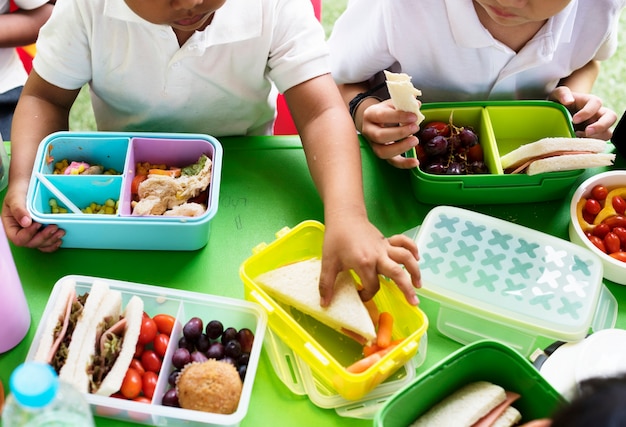 ies about food preferences, medical diets, and feeding plans. Practical supports include standardized intake forms to record allergies and feeding considerations, family interviews to learn cultural food practices, and clear written policies for handling substitutions and medical statements.
Because individual needs vary, consult the child's health care professional or dietitian for clinical concerns and follow your licensing agency's guidance for documentation and policy. Keep family communication respectful and solution-focused to build trust and continuity between care and home.
How should packed lunches account for age, allergies, and cultural needs?
Design recommendations for packed lunches that reflect the children's developmental stage and documented medical or cultural needs. For infants and toddlers, prioritize appropriate textures and feeding schedules; for preschoolers and school-age children, emphasize balanced portions and finger-food safety. Always verify allergies and medical diets with written documentation and a signed care plan.
When families request culturally specific foods, incorporate them into lesson plans to validate identity and broaden peers' exposure to diverse foods. If a child has feeding difficulties or medically restricted diets, collaborate with family and, where appropriate, refer to clinical supports; see ChildCareEd's guidance on supporting children with feeding challenges (How can child care providers support children with feeding difficulties?).
How do family-style meals and classroom activities support healthy habits?
Family-style service promotes social skills, self-regulation, and exposure to varied foods. Set up low trays, small pitchers for pouring, and child-sized utensils so children can serve themselves within safe limits. Use meal times as opportunities to model table manners, conversation, and portioning. Rotate roles (server, timer, table clean-up) to build competence and ownership.
Integrate nutrition topics into the curriculum with simple experiments (seed-to-table planting), literature connections, and sensory science investigations. For program-level strategies, see related ChildCareEd articles on building healthy eating habits and encouraging healthy habits across settings (How can preschool programs build healthy eating habits for young children?) and (How can early childhood programs encourage healthy habits?).
What classroom activities and lesson ideas work well for Pack Your Lunch Day?
Below are tested, classroom-ready activities that promote tasting, critical thinking, and food skills. Each activity includes an instructional goal and a short adaptation for younger or older children.
- Tasting Table (Goal: sensory vocabulary) — Offer small samples of fruits and vegetables. Prompt children to describe color, smell, texture, and taste. Younger children benefit from single-item exposures; older groups can compare two foods and vote on favorites. (See classroom nutrition ideas in Eat, Play, Grow: Essential Nutritional Tips for Growing Minds.)
- Bento Balance Challenge (Goal: portioning and balance) — Provide compartment trays and picture cards for protein, grain, fruit, vegetable, and treat. Have children assemble a balanced tray and explain their choices. For toddlers, pre-cut and sort components for selection.
- Seed-to-Table Project (Goal: food origin and science) — Plant quick-growing herbs or radish seeds, record growth, harvest, and prepare a simple recipe together. Connect the activity to a storybook and a cooking demonstration. (Related resource: How can child care programs promote nutrition and healthy eating habits?)
- Role-Play Market (Goal: social skills and numeracy) — Set up a dramatic-play market where children "shop" for balanced items and practice polite conversation, money concepts, and categorization. Rotate roles like server, cashier, and shopper.
- Cooking Demo for Families (Goal: family engagement) — Host a short demonstration or a take-home recipe card for families to try. Use simple, affordable recipes that highlight seasonal produce; practical packing tips are available from industry-tested strategies (pack-lunch tips).
- Reduce Food Waste Activity (Goal: sustainability) — After a tasting or meal, sort leftovers and discuss ways to reduce waste. Use this to introduce composting or donation options in your program (see How Can Your Child Care Program Reduce Food Waste?).
Additional classroom resources that address picky eating, menu planning, and curriculum integration are available in related ChildCareEd articles: Healthy Cooking for Picky Kids, How can preschool programs build healthy eating habits for young children?, and How can early childhood programs encourage healthy habits?. Use these links to deepen staff training and family communications.
Which ChildCareEd courses support classroom nutrition and food-safety training?
Learn more about child health and nutrition with one of these courses at ChildCareEd.
- Health and Nutrition Buy Now $24.00
- Healthy Habits from the Start Buy Now $24.00
- On My Plate: Children's Nutrition Buy Now $24.00
- The First Year: Feeding Infants Buy Now $16.00
What are the key takeaways?
Summary: National Pack Your Lunch Day is a practical hook for intentional nutrition instruction. Use developmentally appropriate tasting activities, family-style service, and clear family communication to support healthy habits. Embed lessons in curriculum through planting, cooking, and sensory science, and consult your program's policies and the child's health provider for medical or allergy-related decisions. Pack Your Lunch Day can also be an outreach moment to involve families and reduce food waste with mindful planning.
#packyourlunch #childnutrition #familystylemeals #nutritioneducation #healthychoices
- 45 Hour Child Growth and Development
- Many Colors, One Canvas: MD ECE Conference
- 45 Hour Infant and Toddler Methods and Materials
- Pediatric RSV First Aid & CPR/AED
- 45 Hour School Age Methods and Materials
- Emergent Learning & Development
- Texas Director Credential
- Moving About the Classroom: Effective Transitions for Everyday
- Read Across America Day
- National Pack Your Lunch Day
- Healthy Lunchbox Ideas for the New School Year: Keep Kids Energized & Excited about Their Meals
- CDA Certification en Español: Recursos y Consejos para Educadores Bilingües
- ¿Cuáles son las mejores actividades del Día de la Tierra para niños en casa o en el aula?
- Actividades de Motricidad Gruesa que Desarrollan el Equilibrio, la Coordinación y la Fuerza
- ¿Cómo solicito la licencia para una guardería en California?
- Regulaciones de Licenciamiento de Cuidado Infantil en California para Centros y Hogares de Cuidado Infantil Familiar
- Cómo Celebrar el Día Nacional del Kindergarten
- Temas y Actividades para el Día Nacional del Kindergarten para Proveedores
- Cómo Trabajar en el Cuidado Infantil en California: Requisitos y Pasos
- Cómo Trabajar en el Cuidado Infantil en Virginia: Requisitos y Pasos
- How can DC early childhood educators keep classrooms safe in busy urban child care settings?
- Celebrando la amistad en el cuidado infantil durante el Día de los Mejores Amigos
- Diversión fresca de verano: actividades del Día Nacional del Helado para niños
- What Toddler Daily Schedule Ideas Work Best in Child Care?
- Preschool Classroom Schedule: A Full-Day Example from Arrival to Pick-Up
- How Can Child Care Providers Create a Preschool Schedule That Supports Learning and Well-Being?
- How Can the Walk Between Activities Become a Learning Moment?
- Screen-Free Activities for Short Gaps in the Preschool Day: What Works?
