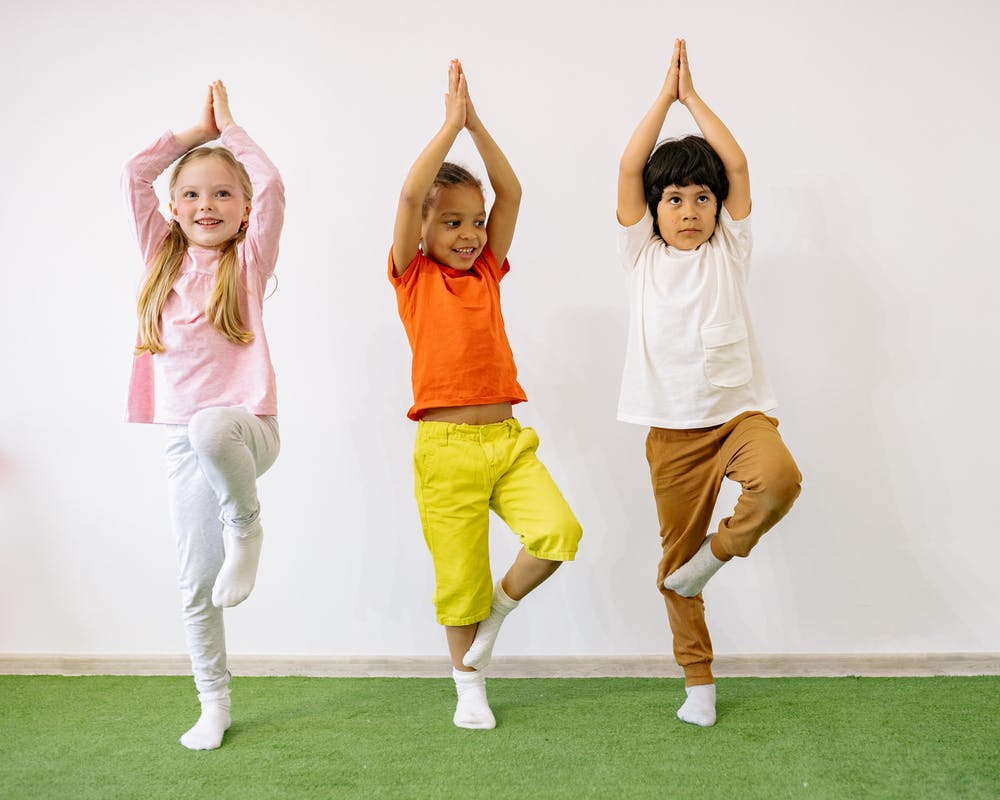
 National Preschool Health and Fitness Day is commonly associated with late January, but observance dates and names may vary. Before promoting a date, check the organizer’s current announcement. Whatever the calendar says, the occasion can prompt educators to talk with families about physical activity and plan enjoyable ways for children to move. For additional movement ideas, see how child care programs can boost physical activity and how preschool movement can support inclusive learning. The courses Balancing Physically Active Play in Child Care Buy Now $25.00 and CDA Subject Area 2
  Buy Now $80.00 address active play and children’s physical development; confirm any training’s applicability with your state, registry, or employer.
How does regular movement support preschoolers’ development?
Physical #activity supports children’s health and development, while the specific effects vary among individuals. Active play gives preschoolers opportunities to practice coordination, balance, strength, and body awareness. Movement games also invite children to attend to directions, remember simple sequences, make choices, and interact with peers. Rather than promising a particular academic or medical outcome, educators can describe these experiences as opportunities to practice physical, cognitive, and social skills. For more on the relationship between movement and learning, read about movement’s cognitive and emotional benefits and how educators can foster motor skills.
- #Motor development: Running, jumping, balancing, and throwing let children practice large-muscle coordination and control.
- #Learning through play: Movement activities can involve listening, sequencing, spatial awareness, and problem-solving.
- #Social participation: Cooperative games give children practice taking turns, communicating, and adjusting to shared play.
- Academic Performance– Improves attention and memory.
- Brain Health– Reduces risk of depression.
- Muscular Fitness– Builds strong muscles and endurance.
- Heart and Lung Health– Improves blood pressure and aerobic fitness.
- Cardiometabolic Health– Helps maintain normal blood sugar levels.
- Long-term Health– Reduces risk of several chronic diseases, including type 2 diabetes and obesity.
- Bone Strength– Strengthens bones.
- Healthy Weight– Helps regulate body weight and reduce body fat.
How much physical activity do preschoolers need?
The CDC guidance cited below distinguishes preschool-aged children from school-aged children: children ages 3 through 5 should be physically active throughout the day, while children and adolescents ages 6 through 17 should get at least 60 minutes of physical activity daily. For preschoolers, this is a pattern across the day, not a single workout or a requirement to keep every child moving continuously. Offer varied chances to move, balanced with rest, meals, quiet play, and children’s individual needs. The CDC also notes that activity should be appropriate for a child’s age and abilities.
Educators can observe whether the schedule offers frequent, meaningful opportunities for movement rather than relying on one short exercise period. Build activity into transitions, outdoor time, music, and play choices. Adapt the pace and materials so children with different abilities can participate comfortably. For ideas on planning movement across the day, see ways to build physical activity into a child care routine.
How can educators plan inclusive active play?
Preschoolers need opportunities for physical activity throughout the day. Plan a mix of child-led and educator-guided experiences, and offer different ways to participate so children can choose a comfortable level of challenge. Before play begins, check that the space and equipment are suitable, establish clear boundaries, and actively supervise. For more examples, explore indoor and outdoor gross-motor activities and inclusive support for gross-motor development.
- Movement circuit: Set up simple stations such as stepping over low obstacles, walking along a line, tossing soft objects into a container, or dancing to music. Keep pathways clear and allow children to move at their own pace.
- Nature movement: Invite children to walk, reach, balance, or imitate animal movements outdoors. Choose a safe area and adapt the activity to the conditions and children’s abilities.
- Movement with stories: Ask children to act out a familiar story by stretching tall, moving slowly, or pretending to travel through different settings. Offer seated or smaller-range movements as alternatives.
Avoid making speed or competition the measure of success. Notice effort, curiosity, and participation, and let children pause when needed. An educator can extend play with open-ended prompts such as, “How else could we move across this space?” This supports agency while keeping the activity responsive to children’s cues.
How can programs make movement part of the daily schedule?
Start by reviewing the daily schedule and identifying where movement can occur naturally: arrival, transitions, outdoor play, music, and open-choice periods. A written plan can help staff notice whether children have repeated opportunities to move, including on days when weather or space changes the routine. Keep a few adaptable materials available, such as balls, scarves, floor markers, and music, and rotate options to maintain children’s interest.
When outdoor space is unavailable, choose an indoor area that allows children to move without crowding or colliding with furniture. Establish clear boundaries, remove hazards, and supervise actively. Make the activity accessible: use larger or lighter equipment when helpful, demonstrate more than one way to take part, and avoid requiring every child to perform the same movement. Communicate with families about the kinds of active play children enjoy and invite them to share culturally familiar songs or games, while respecting each family’s preferences.
Programs can also prepare a simple backup plan for rain, extreme temperatures, or limited space. For instance, a short dance-and-freeze game, animal-walk story, or movement sequence can be adapted to a classroom corner. Keep activities brief enough to fit the schedule and watch children for signs that they need a break. The course Balancing Active Play in Child Care Buy Now $16.00 covers ways to balance active, creative, and sedentary time; course participation does not itself establish compliance with a particular state requirement.
How can educators close the conversation with families?
Share practical examples of movement that families can adapt at home, such as dancing to a favorite song or taking a walk together, without presenting these suggestions as medical advice or a substitute for individualized guidance. Ask families about children’s interests, access needs, and preferred ways to move, then use that information to make classroom play more welcoming. When discussing physical activity recommendations, refer families to current public-health guidance and encourage them to consult a health professional about individual concerns.
For additional professional learning, see ChildCareEd’s Engaging Indoor Activities for Inclement Weather Buy Now $24.00. This course offers ideas for indoor activity; check with your employer or applicable agency about whether any training counts toward a specific professional-development requirement.
Physical activity is an everyday part of preschool learning and well-being. By planning frequent, varied, and inclusive opportunities to move, educators can help children practice physical and social skills while keeping play enjoyable, responsive, and safe.
Reference: Centers for Disease Control and Prevention, “Physical Activity for Children: An Overview.”
- 45 Hour Child Growth and Development
- 45-Hour Preschool Curriculum
- 45 Hour Preschool Methods and Materials
- 45 hour Growth and Development Birth-age 12 ONLINE
- 45 Hour Infant and Toddler Methods and Materials
- 45 Hour School Age Methods and Materials
- Texas Director Credential Renewal
- Texas Director Credential
- 45-Hour Infant and Toddler Curriculum
- Pediatric and Adult First Aid and CPR Certification
- Teaching Place Value: Building the Foundation for Numerical Literacy
- ChildCareEd Annual Summer Internship 2025
- Exploring the Cognitive Benefits of Movement in Early Childhood Classrooms
- Kickstart a Healthy Routine for Kids That Actually Sticks Past January
- ¿Cómo solicito la licencia para una guardería en California?
- Cómo Celebrar el Día Nacional del Kindergarten
- Temas y Actividades para el Día Nacional del Kindergarten para Proveedores
- Cómo Trabajar en el Cuidado Infantil en California: Requisitos y Pasos
- What's the latest news for child care providers in Alabama?
- 45-Hour Child Care Training in Wisconsin: Requirements and Options
- What do Oklahoma child care providers need to know about subsidy changes in 2026?
- Celebrando la amistad en el cuidado infantil durante el Día de los Mejores Amigos
- Diversión fresca de verano: actividades del Día Nacional del Helado para niños
- How Can Oklahoma Providers Help Families After Expanded Subsidy Access for School-Age Care?
- What Are Pennsylvania's Rules for Safe Daycare Temperatures and How Do We Follow Them?
- How can outdoor learning help young children grow and learn?
- Pre-Service Training for Child Care: What Must You Finish Before Your First Day?
- What Does California Preschool Compliance Really Cost? A Director’s Annual Budget Checklist
