What makes ice a useful learning material for preschoolers?
Ice is more than a cold surface: it's an accessible medium for hands-on exploration of states of matter, temperature, measurement and vocabulary. In an early childhood classroom, short, supervised ice explorations support observation skills, cause-and-effect reasoning and vocabulary growth. Two ChildCareEd courses that support this work are How Preschoolers Develop  Buy Now $32.00 and 45 Hour Preschool Methods and Materials Buy Now $399.00, which help teachers identify age-appropriate goals and scaffold investigations. Well-designed ice activities are low-cost, adaptable for small groups or centers, and tie naturally into #STEAM inquiry and sensory curriculum.
How can I set up safe ice exploration activities in my program?
Safety and logistics come first. Use clear rules and close supervision for any activity that uses water, cold materials, or small tools. Practical steps:
- Designate a supervised table or outdoor area and limit group size to 4–6 children for close adult support.
- Use large ice forms (buckets, bundt pans, or frozen sensory blocks) rather than tiny shards; avoid anything that creates choking hazards.
- Provide tongs, droppers, measuring cups and spoons to support fine-motor practice instead of bare hands when appropriate.
- Discuss and model safe handling (no touching faces, bring hands to a warm area if they get too cold) and have warm towels handy.
These practical protocols align with guidance in ChildCareEd practice courses such as Creating Safe & Healthy Child Care Environments Buy Now $55.00 and can be adapted to meet your program's licensing rules. When you name the learning targets for an activity (sensory discrimination, comparative language, measuring), you can document observations for assessment.
What STEAM-rich ice activities teach science and math concepts?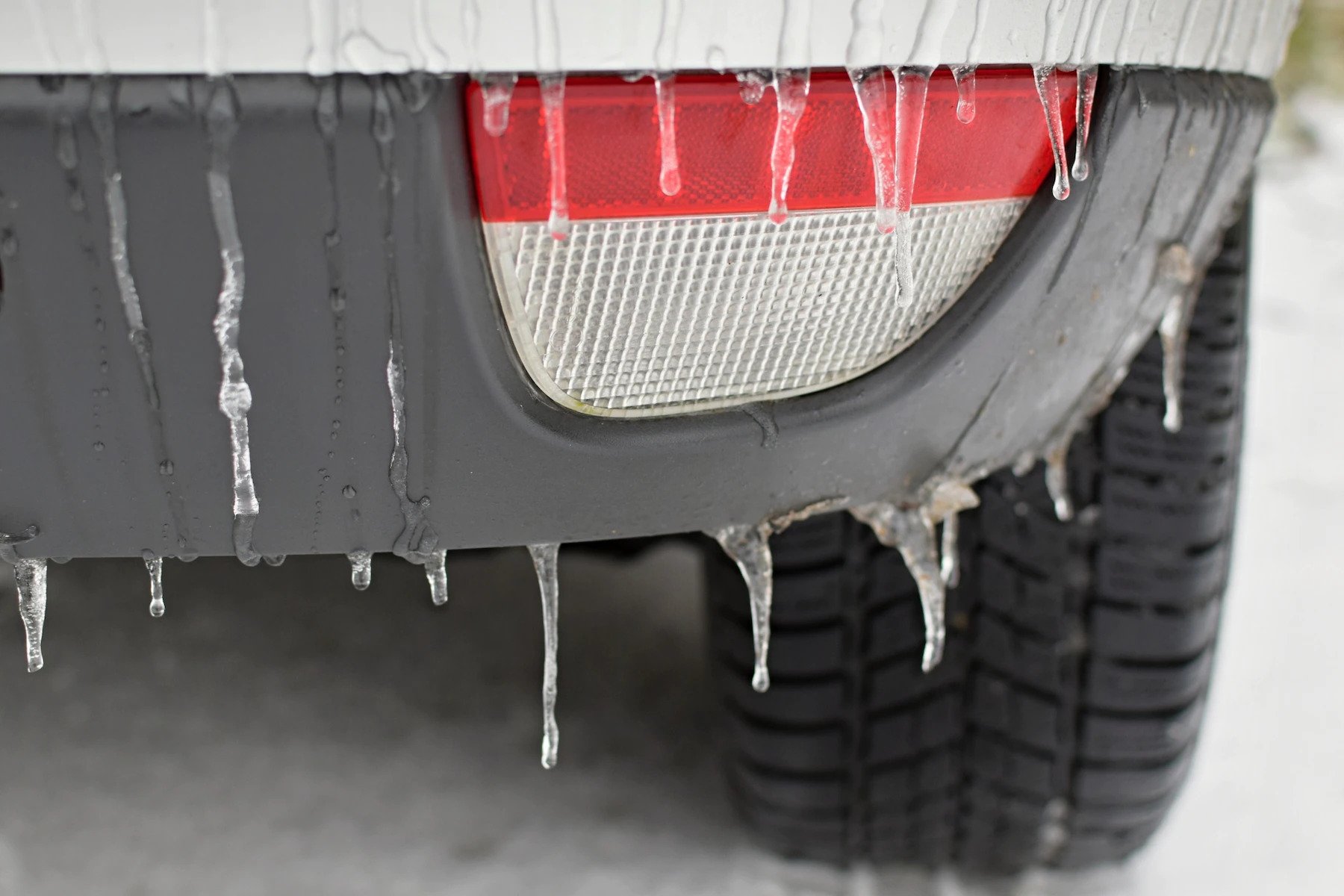
Use open-ended prompts so children can test ideas and collect simple data. Examples that build scientific thinking and emergent math:
- Melting race: Freeze identical ice blocks and provide different materials (salt, sugar, sand, cups of warm water). Ask children to predict which will melt fastest, then time and record results. This builds estimation, comparison vocabulary and measurement skills.
- Ice excavation: Freeze small toys in a large block and offer droppers, salt, and warm water. Children plan strategies and use fine motor skills to free the object; document steps as emergent sequencing.
- Color-mixing ice: Freeze colored water in separate trays, smash small pieces or let them melt together to explore color blending and change over time.
These activities offer hooks for counting, measuring (how long until it melts?), and hypothesis-testing — all core to simple classroom STEM. For guidance on integrating STEM routines across routines and centers, see How can child care providers use simple STEM activities with early learners? and Easy Ways to Add STEM to Your Preschool Classroom. Also see Fun Preschool STEM Activities for Hands-On Learning for ready-made, age-appropriate experiments. #science #STEAM
How do ice activities support language, social-emotional and sensory development?
Ice play invites descriptive language (smooth, slushy, dripping), turn-taking and joint problem solving. Use scaffolding questions to deepen learning: "What do you notice?", "What do you think will happen if we add salt?", "How could we make the ice melt faster without touching it?" These prompts encourage hypothesis, vocabulary extension and reflective talk. Ice tasks also provide opportunities to practice self-regulation: waiting, observing, and planning a strategy. Consider pairing an ice activity with a short circle-time reflection and documentation that links the experience to developmental goals; courses such as Preschool Assessments & Observations Buy Now $24.00 can help you translate play into meaningful notes for families and licensing records. For concrete language scaffolds and dialogic prompts, see Learning Through Creative Daycare Activities. #preschool #sensory #play
How can I adapt ice activities for children with sensory or motor differences?
Plan a micro-unit of 2–3 connected sessions.
Adaptations ensure that ice investigations are accessible and meaningful for children with sensory processing differences, fine- or gross-motor delays, visual impairments, or communication needs. Offer alternative manipulatives (larger, non-slip tools; textured mitts; warmed handles) and present materials at table height or on lap trays for children who use wheelchairs. For children with tactile sensitivities, begin with observation-only roles (predicting, timing) or use transparent containers so they can participate visually. Use picture symbols, modeled language, and simple gestures to scaffold participation, and provide extra processing time. Collaborate with families and therapists when needed, document individual accommodations in the activity plan, and set measurable, small learning targets (e.g., used tongs to move ice for 30 seconds). These adjustments increase participation and yield richer formative data for assessment and next steps.
Session 2 — Focused investigation: small groups perform a planned experiment (e.g., salt vs. warm water) and record results with pictorial charts.
Example sequence:
- Session 1 — Sensory introduction: supervised free exploration with large ice blocks and tools; adults record language and strategies children use.
- Session 2 — Focused investigation: small groups perform a planned experiment (e.g., salt vs. warm water) and record results with pictorial charts.
- Session 3 — Creative extension: use melted ice water for painting or plant seeds in warm water to observe temperature effects on germination.
Sequence learning supports sustained attention and gives multiple entry points for children with different abilities. For curriculum alignment and activity adaptation strategies, see How can seasonal activities combine fun with clear educational goals? and How Can Child Care Programs Use Easy Nature-Based Activities for Every Season?
What materials and documentation help make ice activities reproducible?
Keep a short materials list, an age-appropriate safety checklist, and a one-paragraph assessment note per group. Useful materials: bundt pans, plastic containers, food coloring, salt, droppers, tongs, disposable towels, laminated observation forms. Share brief family-facing notes after the activity to build home–school connections — a sentence about what children explored and one question families can try at home.
What are the key takeaways and final steps to implement safe, curriculum-aligned ice activities?
Ice investigations are high-value, low-cost experiences that simultaneously support sensory exploration, emergent STEM reasoning, language development, and prosocial behavior when embedded within explicit learning intentions and robust safety protocols. To implement these experiences with fidelity, prioritize one measurable learning objective per session, plan small-group work so adults can scaffold inquiry, and record brief formative observations that link play to developmental goals (focus, strategy used, language sampled). Professional development in scaffolding inquiry and authentic assessment will strengthen teacher practice; ChildCareEd offerings such as Balancing Active Play in Child Care Buy Now $16.00 and Preschool Assessments & Observations Buy Now $24.00 support these skills.
Keep documentation concise and actionable: one short observation per group, and one suggested home activity to share with families. Pair each activity with clear safety protocols and adaptive options so children with diverse sensory and motor needs can participate meaningfully. In practice, follow these steps:
- Define a single learning objective (for example, comparing melting rates).
- Select materials and safety supports (large ice forms, tongs, towels, accessible table height).
- Prompt children with open-ended questions, scaffold responses, and record brief notes.
- Share a one-sentence family note that names what children explored and suggests one simple home experiment.
By keeping the focus on measurable learning goals, scaffolded questioning, succinct documentation, and appropriate safety and adaptations, ice play becomes a replicable, curriculum-aligned strategy rather than a one-off sensory moment. Keep safety first, design for inquiry, and let children lead discovery. #science #STEAM #preschool #sensory #play
*Archived from H&H's Constant Contact Newsletter [12.21.2022]
- CDA Home Visitor Subject Area 3 Part 3 Birth to 5
- 45 Hour Preschool Methods and Materials
- 24 Hour Texas Pre-Service
- Emergent Learning & Development
- Early Childhood Education
- Creating Environments that Nurture Growth and Community
- CDA Infants/Toddlers: Brain Development and Gene Expression
- CDA Infants/Toddlers: Stages of Development
- ⏰ Cómo puedo facilitar las transiciones y las rutinas diarias en mi aula?
- Pascua En El Aula: Actividades Sencillas Para Aprender y Celebrar Con Seguridad
- ¿Cómo hacer actividades navideñas inclusivas para todas las familias?
- ¿Cuáles son las mejores actividades del Día de la Tierra para niños en casa o en el aula?
- ¿Cómo puedo usar escenarios de juego de roles de primeros auxilios en mi aula?
- ¿Cómo puedo enseñar habilidades de primeros auxilios con escenarios de juego de roles?
- Actividades de Motricidad Gruesa que Desarrollan el Equilibrio, la Coordinación y la Fuerza
- Actividades de Fiesta para Niños de Preescolar y Primaria
- Cómo Celebrar el Día Nacional del Kindergarten
- Las Mejores Ideas de Excursiones para Guarderías en Georgia
- Child Care Weather Guidelines: Using the 2026 Weather Watch Chart
- Calabazas, hojas y manzanas: actividades de otoño para preescolares
- Safe Temperature Regulations in Daycare: Wisconsin Rules for Child Care Providers
- Safe Temperature Regulations in Daycare: Georgia Rules for Child Care Providers
- Safe Temperature Regulations in Daycare: Texas Rules for Child Care Providers
- How can seasonal activities (spring, summer, fall, winter) combine fun with clear educational goals?
- How Child Care Programs Can Keep Children Safe During Extreme Weather
- How Can Child Care Programs Use Easy Nature‑Based Activities for Every Season?
- Daycare Outdoor Weather Safety: Temperature, Heat Index, and Playtime
- How Can Child Care Programs Prepare Safe Transportation Routines for Wet and Icy Weather?
