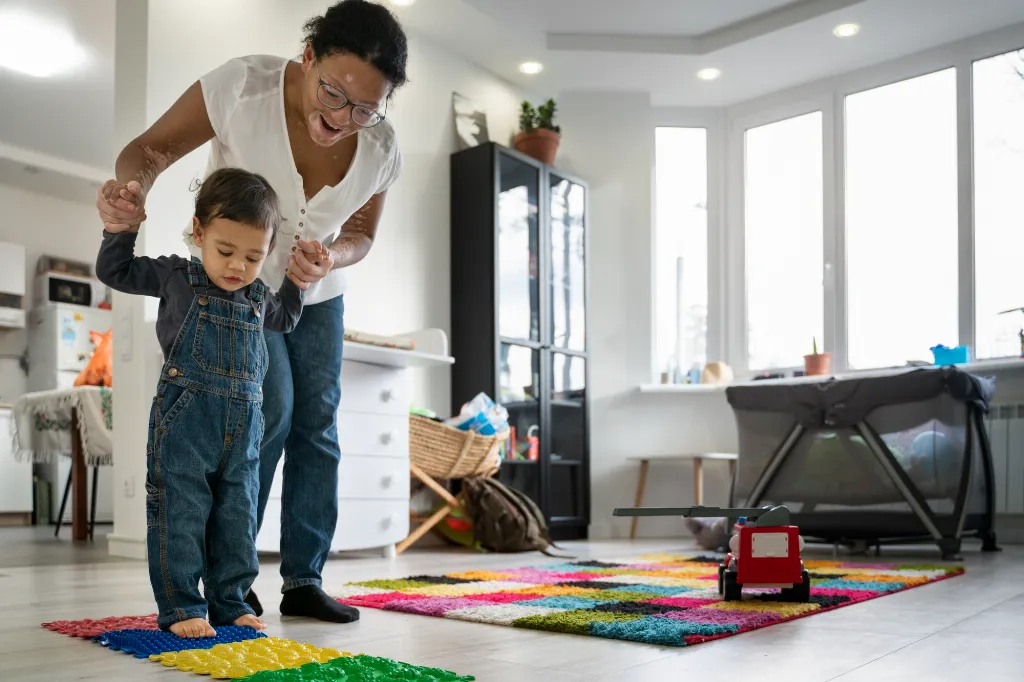
 Starting a #homedaycare can feel like a big job. It is also a chance to support families and help young children learn. This short guide is for child care providers and directors who want clear, practical steps. It explains the first tasks, the paperwork, safety ideas, and how to run the business. Why it matters: families pick programs that are safe, legal, and steady. Following rules and planning well keeps children safe and helps your program last.
Before you begin, remember: state requirements vary - check your state licensing agency.
What are the first steps to open a home daycare?
📘 Learn the rules: Find your state child care licensing office and read their steps. ChildCareEd has a helpful overview at Navigating the Rules.
📝 Pick your license type: Decide if you will apply for family child care, group family child care, or an exempt small-home option. Each has different limits and training needs.
📂 Make a simple business plan: List hours, fees, how many children, and monthly costs. Use free templates like the business plan samples at Child Care Business Plan samples.
🧾 Gather paperwork: ID, background checks, health checks, and training certificates. Some states ask for reference letters and home resident lists.
📆 Join orientation or pre-licensing classes: Many states require or offer an orientation. ChildCareEd lists trainings that help meet requirements (for example: DAP for Family Child Care  Buy Now $16.00).
Why this order? Doing these steps first helps you avoid costly fixes later. If money is tight, read Can I Open A Home Daycare With No Money? for low-cost ideas and free resources.
What licensing, training, and paperwork will I need?
Licensing keeps children safe and helps families trust your program. Rules differ by state, but most require similar items. Use this checklist to prepare.
👮 Background checks: For you and adults in your home. Many states demand a criminal record check and child abuse registry check. See examples of licensing steps like Tennessee’s 10-step process at Tennessee DHS.
🩺 Health checks and trainings: Pediatric CPR/First Aid, health and safety, and child development hours. ChildCareEd lists many training courses (search courses on ChildCareEd).
📄 Policies and paperwork: Create enrollment forms, emergency plans, sick-child rules, medication consent, and a parent handbook. Use the sample enrollment packet at Family Child Care Enrollment Packet Sample Buy Now $0.00.
🏠 Home inspection prep: Expect a safety walk-through for fire alarms, outlet covers, secure storage for medicines, and sleep setups. Manitoba’s licensing flow chart shows how inspections fit into the licensing timeline: Manitoba Home-Based Licensing.
💳 Fees and registration: There may be application fees and training costs. Some states require proof of liability insurance.
Common mistakes to avoid:
- ❌ Skipping orientation—fix: attend early.
- ❌ Missing background checks—fix: start checks right away.
- ❌ Weak paperwork—fix: use templates and keep records ready for inspections.
How do I set up my home, keep children safe, and run daily routines?
Safety and routine are the heart of any quality home program. These steps help you prepare a safe, welcoming space and a predictable day.
🧯 Safety first: Install smoke and carbon monoxide detectors, secure heavy furniture, cover outlets, and lock cleaning supplies. Use a ready checklist like the In-Home Daycare Ultimate Checklist on ChildCareEd.
🛏 Sleep and rest: Follow safe sleep rules for infants. Use approved cribs and document naps. Keep a sleep log for each child.
🍎 Food and meals: Consider joining CACFP to help pay for meals. Learn more at Child Care Food Program (CACFP).
🎨 Daily schedule: Create a simple routine with times for free play, circle time, meals, outdoor play, and rest. Routines help children feel safe.
📋 Clean and organize: Keep toys clean, rotate materials, and set clear drop-off/pick-up spots.
How to avoid hazards:
- 🔍 Inspect donated toys—discard small or broken parts.
- 📚 Train helpers in supervision and handwashing.
- 📝 Keep incident and medication logs up to date for families and inspectors.
How do I run the business, find families, and stay financially steady?
Running a home daycare is part care and part business. These steps help you set prices, find families, and keep money steady.
💲 Budget and set rates: List monthly costs (food, supplies, utilities). Compare local rates. Use business plan templates: Child Care Business Plan.
📣 Market your program: 1) Flyers, 2) social media, 3) word-of-mouth, and 4) local employer partnerships. Host an open house to show families your space.
🥣 Use CACFP for meal reimbursement: This helps food budgets and shows families you follow nutrition rules (CACFP guide).
📝 Contracts and forms: Use clear contracts and enrollment forms so parents know fees, hours, and policies. See contract templates: Daycare Contract Form samples and the ChildCareEd enrollment packet (Enrollment Packet Buy Now $0.00).
🏛 Seek grants and help: Look for local grants, partner with community groups, and accept safe donations. For starting with little money, see Can I Open A Home Daycare With No Money?.
Quick FAQ):
Q: Do I always need a license? A: Not always. Check your state—rules differ.
Q: Can I start small? A: Yes. Many providers begin with a few children and grow.
Q: Where can I get training? A: ChildCareEd offers many online courses and certificates.
Conclusion
Starting a #homedaycare takes planning, paperwork, and steady safety work. Follow these numbered steps, use free templates, and call your licensing office when in doubt. Keep your program #safety-first, follow #licensing rules, use #CACFP for meals, and build a simple #businessplan to track money. The process is doable when you break it into small tasks. You are providing a vital service—slow, steady steps will help your program grow and succeed.
Start with a simple plan and a few checks. Use numbers to keep it clear.Licensing keeps children safe and helps families trust your program. Rules differ by state, but most require similar items. Use this checklist to prepare.Safety and routine are the heart of any quality home program. These steps help you prepare a safe, welcoming space and a predictable day.- CDA Home Visitor Subject Area 3 Part 3 Birth to 5
- CDA Home Visitor Subject Area 2 Part 3 Birth to 5
- Easy Steps to Resume and Interview Success
- CDA Family Child Care Credential
- CDA Family Child Care Credential with Portfolio Review
- Texas Primary Caregiver Qualification
- CDA Bridge Bundle: Family Child Care
- CDA Bridge Bundle: Family Child Care without Portfolio Review
- Equity in Action with Head Start
- 🏡Pajamas, Playtime & Paperwork: Why Pre-Service Training Is Key to Starting Your In-Home Daycare
- Cómo Abrir Una Quardería En Casa Sin Dinero?
- Cómo Iniciar el Proceso de Obtención de la Licencia de Cuidado Infantil
- Lista para Abrir una Guardería en Casa en Dakota del Norte: Cómo Empezar
- Lista para Abrir una Guardería en Casa en Georgia: Cómo Empezar
- Lista para Guardería en Casa en Illinois: Cómo Iniciar una Guardería en el Hogar
- In-Home Daycare Requirements in Illinois
- In-Home Daycare Requirements in Wisconsin
- What do I need to know to provide child care in New York?
- Starting an In-Home Daycare in Illinois: Requirements and Tips
- Starting an In-Home Daycare in Virginia: Requirements and Tips
- Starting an In-Home Daycare in Wisconsin: Requirements and Tips
- Starting an In-Home Daycare in North Carolina: Requirements and Tips
- How do I start a home daycare business?
- North Carolina Home Daycare Licensing Standards
- How Many Kids Can You Watch Without a License in North Carolina?
- How to Become a Childcare Worker in California: Requirements and Steps
- How to Open a Daycare in California: Small Home, Large Home, or Child Care Center?
- What Certifications Do I Need to Open a Child Care Center? Owner vs. Director Requirements Explained
