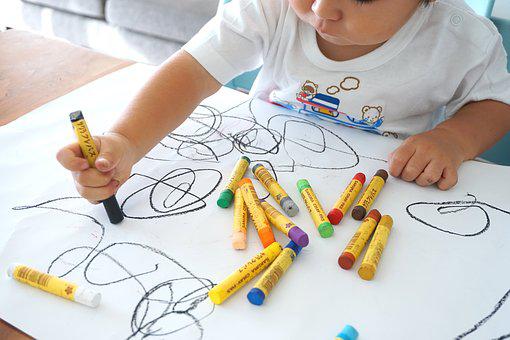
 Many of us in early education pay for things out of pocket. This article helps directors and child care providers find money for supplies, write stronger applications, and manage funds well. You will read simple steps, places to look, and ideas to avoid mistakes.
What types of grants pay for classroom supplies?
There are a few common types of grants that pay for supplies. Knowing the type helps you choose the right application.
- 🍎 Project or classroom grants — money for a single idea, like a reading corner or art kit. Examples include national contests and corporate gifts. See creative grants like the Crayola Art in Education Grant for arts supplies and cash. If you are applying for arts-focused funds, explain how creative activities support children's emotional and social development; linking to information on art therapy can help you describe the developmental benefits of arts-based interventions.
- 🏦 Foundation and corporate grants — companies and local foundations fund many school projects. For example, the PNC Grow Up Great program funds early learning projects that can include supplies.
- 🌐 Crowdfunding and match programs — sites like DonorsChoose let teachers post needs and get public support. PNC and other partners sometimes run match campaigns.
- 📚 Government and school fund sources — some federal, state, or district funds can buy classroom materials. For broader lists, check the ChildCareEd grants page or state grant listings.
- 🎨 Small awards and prizes — local businesses, community groups, and national contests often give $500–$2,500 for supplies. Grant listings on sites like GrantWatch show many small options.
Tip: Match your project to the funder’s interest. If a grant focuses on arts, emphasize art goals and learning. Use ChildCareEd pages to find matching opportunities and examples.
Where should educators look first for classroom funding?
Start with places that focus on early education and teacher support. A few trusted places speed up your search and save time.
- 🔎 Check ChildCareEd's grant hub — it lists national and local options and often highlights state offers (ChildCareEd grants).
- 📋 Look at national program pages for big grants like PNC Grow Up Great and product grants like the Crayola Art in Education.
- 💻 Use crowdfunding platforms: DonorsChoose, GoFundMe, and Adopt-a-Classroom. These often work fast for classroom #supplies.
- 🏙️ Check local sources: community foundations, businesses, and school district mini-grants. City and county economic pages may list funding for child care facilities and materials.
- 🧾 Visit grant search sites like GrantWatch or your state grant portal for opportunities that match program size and scope.
Remember: some grants require nonprofit status or a school partner. If you are a family child care home, look for programs that allow individuals or a fiscal sponsor. Always read eligibility details before you spend time applying. And remember — state requirements vary - check your state licensing agency.
How do I write a winning grant application for supplies?
Good grant writing is simple and clear. Funders want to know what you will do, why it matters, and how you will use the money. Follow these clear steps.
- 📝 Be specific: describe the items you need and say exactly how children will use them. List brand names, counts, and approximate costs.
- 📊 Show the benefit: explain 2–3 clear learning outcomes. For example, "Add 30 new books to increase daily reading time by 15 minutes for preschoolers."
- 🎯 Use measurable goals: funders like numbers. Tell how many children, how often, and how you will measure success.
- 💡 Explain uniqueness: say what makes your idea different or how it meets children’s needs. Use examples from your classroom or community.
- 📂 Include attachments: budget, license or school letter, photos, and short staff bios. ChildCareEd suggests keeping a provider packet ready (ChildCareEd grants).
- ✅ Follow directions exactly: funders reject late or incomplete applications. Use the funder’s form and page limits.
Extra tips: Ask a colleague to proofread. Use templates from trusted sites. For curriculum or training grants, mention professional development and link to training resources like ChildCareEd training Buy Now $0.00.
How do programs manage grant money and avoid common mistakes?
Getting funds is exciting. Good record keeping keeps your program safe and ready for audits. Follow these practical steps to manage grants well.
- 📁 Create a grant file for each award with the approved budget, attachments, and the grant contract.
- 👥 Assign one grant lead to collect receipts, track spending, and submit reports on time.
- 💳 Keep a simple budget tracker: list each purchase, date, vendor, and amount. Keep photos of new items and where they are stored.
- 📅 Set calendar reminders for progress reports and final reports. Missing deadlines can hurt future funding.
- 🔁 Ask funders in writing before moving money between budget lines. Many grants require written permission for changes.
Common mistakes and quick fixes:
- ❌ Spending outside the approved budget — Fix: get written approval before you change purchases.
- ❌ Losing receipts — Fix: scan and save receipts weekly, name files clearly (e.g., GrantName_Vendor_Date.pdf).
- ❌ Weak outcome tracking — Fix: use simple measures (counts, minutes of activity, before/after photos).
Tax and expense tips: teachers may use the educator deduction or other tax rules for classroom purchases. For details, review trusted tax guidance like the overview on tax deductions for teachers.
Conclusion
Grants can buy materials that make learning fun and safe. Start with a clear need, look first at ChildCareEd resources (ChildCareEd grants), DonorsChoose, and local foundations. Be specific in your proposal, keep good records, and ask for help from partners or your CCR&R. Small steps build success.
Three things to do this week:
- 👉 Make a one-page project idea with cost estimates.
- 👉 Save key links: ChildCareEd grants, DonorsChoose, and local grant pages.
- 👉 Put grant deadlines on your calendar and assign a grant lead.
You’re not alone. Use community partners, free training, and ChildCareEd resources to help you succeed. Good luck — you are making a big difference for children and families.
- Many Colors, One Canvas: MD ECE Conference
- Engaging Families During a Pandemic
- Know Me For My Abilities: For Workforce Solutions
- CDA Infants/Toddlers: Benefits to Observing
- CDA Bridge Bundle: Family Child Care without Portfolio Review
- CDA Bridge Bundle: Infant/Toddler without Portfolio Review
- CDA Bridge Bundle: Preschool without Portfolio Review
- Emergent Learning & Development
- What Makes Me Special: An Overview of Autism and ADHD: For Workforce Solutions
- Celebrating Teachers
- 😫🧸 ¿Qué hacer cuando un bebé no quiere dormir la siesta en el aula?
- What Should DC Early Childhood Teachers Know About Pay Equity Right Now?
- Daycare Grants in Georgia for 2026: How Providers Can Find Funding
- How can grants and vouchers in Oklahoma help child care providers?
- How can grants and vouchers in Pennsylvania help child care providers?
- How can grants and vouchers in Michigan help child care providers?
- Why Does Child Care Cost So Much in New York — And How Can Providers Talk to Families About Value?
- Grants and Free Resources for New Kindergarten Teachers
- Teacher Grants for Classroom Supplies: What Educators Should Know
- New Kindergarten Teacher Resources: Grants, Supplies, and Training
- Crayola Grants, Teacher Supplies, and Free Classroom Resources
- Classroom Grants for Teachers: Crayola and Other Helpful Resources
- Grants for In-Home Daycare Providers in Georgia
- How can Alabama child care providers celebrate National Ice Cream Day safely and with learning?
- Best Teacher Discounts for Classroom Supplies and Training
- Daycare Teacher Discounts: Deals and Benefits You May Be Missing
- How Can You Start a Daycare With Little Money? 10 Ways to Lower Startup Costs
- Who Qualifies for a Crayola Donation Request? A Guide for Child Care Programs
- How to Start a Daycare Business With No Money: What Should You Pay for First?
