Every ride introduces a busy chain of decisions: Is the vehicle ready, is each child secured, and can the team account for everyone at every transition? A consistent transportation plan helps Michigan child care providers protect children and meet licensing responsibilities. For practical training on transportation procedures, explore ChildCareEd’s Transportation Safety course  Buy Now $16.00; it can help strengthen staff knowledge about safe travel and passenger precautions.
Why does transportation safety deserve a written plan?
Transportation concentrates several risks in a short period: children move between settings, adults divide attention among loading and supervision, and schedules can create pressure to hurry. A written plan turns good intentions into shared, repeatable actions. It clarifies who checks the vehicle, who manages the roster, who verifies restraints, and what staff should do if plans change.
Routines are especially valuable for young children, who may be excited, tired, or still learning how to follow travel expectations. A calm, predictable sequence—line up, count, board, buckle, travel, unload, and count again—supports children’s security while making staff responsibilities visible. These safeguards also strengthen family confidence and support sound program operations.
Transportation safety is not only about the ride itself. It includes written permission, current child information, an emergency kit, communication procedures, and a final check that no child remains in the vehicle. Michigan’s licensing rules set minimum expectations; programs should build practical procedures around those standards.
For a ready-to-use planning aid, the free Child Transportation Safety Toolkit Buy Now $0.00 includes family information forms, a staff checklist, and child-friendly bus activities.
What should staff inspect before each trip?
Michigan’s transportation rule for child care homes states that vehicles used to transport children must be maintained in good, safe working condition. The driver must be an adult with a valid driver’s license, current vehicle registration, and proof of current automobile insurance. The rule also requires child passenger restraints and safety belts to be installed, anchored, used according to manufacturer specifications, and kept in safe working condition. Review the applicable Michigan center transportation rules and the relevant home-based rule for your setting.
Make a documented inspection part of every departure, rather than relying on memory. A designated staff member should check tires, lights, mirrors, doors, seat belts, restraint seats, and the general condition of the vehicle. Confirm that the vehicle has adequate fuel, that aisles are clear, and that loose items are secured so they cannot become hazards during a sudden stop.
- Confirm driver credentials, vehicle registration, insurance, and rated seating capacity.
- Check that every child has an appropriate, usable restraint and that the seat is secured as directed by its manufacturer.
- Ensure the driver has each transported child’s information card or a comparable copy.
- Carry a first aid kit and make sure the driver knows its contents; Michigan’s rule specifies required minimum supplies.
- Record the inspection, any defects, and the steps taken before the vehicle is used.
If a safety-critical issue appears, do not depart until it is resolved or another safe arrangement is made. The Michigan licensing rules and technical assistance page is a useful starting point for checking current requirements.
How should programs manage permissions and Michigan requirements?
Michigan Administrative Code Rule 400.1952 requires written parent permission before a child is transported in a vehicle. For routine transportation, permission must be obtained at least annually; for nonroutine transportation, it must be obtained before each trip. The rule also requires a copy of each child’s information card and a first aid kit to be accessible whenever children leave the premises. The text of Rule 400.1952 provides these details.
Keep the permission record and trip plan easy for staff to retrieve. A trip packet may include the roster, emergency contacts, health and medication instructions, route and destination, staff assignments, and a phone number for the program. When a driver who is not a child care staff member will transport children, Michigan’s transportation rule says parents must be notified in advance. If that driver will have unsupervised access to children, the rule requires a comprehensive background check and department eligibility determination.
Child restraint law and licensing rules are related but distinct. Michigan’s child passenger safety provisions changed effective April 2, 2025; confirm current state guidance on age, height, weight, and restraint use rather than relying on old forms or memory. In all cases, follow applicable law and the vehicle and restraint manufacturers’ instructions. For licensed programs, official Michigan licensing materials should be checked for the rules applicable to the center or home setting. State requirements vary—check your state licensing agency when operating across jurisdictions or interpreting related requirements.
Useful professional learning can reinforce these responsibilities: Appropriate Precautions in Transportation of Children Buy Now $10.00 focuses on supervision, restraints, vehicle operation, and trip planning, while Legal & Ethical Essentials in Child Care Buy Now $55.00 addresses licensing and professional decision-making.
How can child restraints and attendance checks work together?
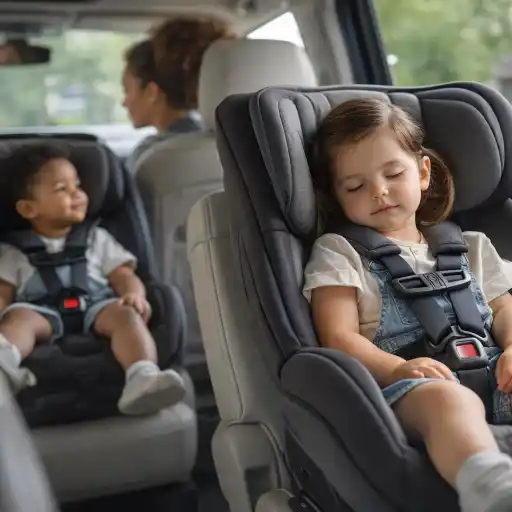
A correct restraint is essential, but it does not replace accountability. Before the vehicle moves, staff should confirm that each child is seated and properly restrained in a device appropriate for the child’s age and size, installed and used according to manufacturer instructions and applicable law. Michigan rules also prohibit exceeding the vehicle manufacturer’s rated seating capacity. Never use an unapproved workaround because a seat is unavailable or a child resists buckling.
Build a name-to-face count into every transition. A count of “ten children” is less reliable than confirming each name against the roster and seeing each child. Assign a specific counter and require a second adult to acknowledge the count when staffing permits. Pause if the roster and actual group do not match; resolve the discrepancy before moving on.
- Check names before leaving the program and again as children board.
- Confirm each child is in the assigned seat and properly secured before departure.
- Count and match names immediately after unloading, then conduct a seat-by-seat vehicle sweep.
- Repeat the process before the return trip and after arrival back at the program.
- Document the check and clearly communicate staff-to-staff handoffs.
Use the same routine on short daily routes and occasional outings. Predictable #supervision routines are easier to follow under pressure, and clear #attendance procedures help prevent children from being overlooked during transitions. Invite families to share relevant mobility, health, or comfort needs so seating and staff support can be planned in advance.
What should an emergency and vehicle-exit plan include?
A transportation emergency plan should tell staff what to do when a vehicle breaks down, a child becomes ill or injured, severe weather disrupts a route, or an evacuation is necessary. Identify who calls emergency services, who supervises the remaining children, who contacts the program and families, and where the group should wait. Carry a charged phone, current roster, emergency contacts, accessible child information cards, first aid kit, and any authorized medication required for the trip.
Plan for the children in the group, not an imagined average passenger. Review individual health plans, medication instructions, mobility and communication supports, and any specialized seating needs with families and staff. Ensure that staff know how to use required equipment and can access essential information without exposing private details unnecessarily.
Include a no-child-left-behind procedure in writing. After unloading, the assigned adult should sweep the vehicle seat by seat, including areas where a child might be hard to see, and record completion. Do this at every destination and at the end of the route—not just when the vehicle returns to the center. If there is an emergency, secure the group in a safe location, call for help as needed, and follow program reporting and family-notification procedures.
Practice short scenarios with staff before they are needed. A quick rehearsal can reveal unclear roles, missing supplies, or an inaccessible contact list. For additional learning on everyday prevention and safe routines, consider Everyday Safety: Creating Healthy Environments Buy Now $55.00.
How can directors make these practices consistent?
Consistency comes from clear ownership, brief tools, and periodic review—not from expecting staff to remember a long policy during a hectic transition. Create one transportation procedure for the program, then adapt its checklist to the route, vehicle, age group, and individual needs. Train every staff member involved, including substitutes and any driver or monitor whose role requires preparation.
Common breakdowns often begin with assumptions: a permission form is probably on file, another adult has the roster, or someone else has checked the back seats. Prevent these gaps by assigning each task by name, documenting completion, and requiring a verbal handoff when responsibility changes. Do not depart if required permission, safe restraints, adequate staffing, or essential emergency information is missing; adjust or postpone the trip.
- Use the free Child Transportation Safety Toolkit Buy Now $0.00 to organize family information, staff checks, and child-focused learning activities.
- After a trip, reconcile the roster, document any incident or vehicle issue, and restock supplies.
- Review near misses and staff feedback without blame; update the procedure when a step is unclear or impractical.
- Check current licensing materials regularly and keep the version used by staff up to date.
For a broader professional development path, relevant ChildCareEd learning includes Transportation Safety Buy Now $16.00, Appropriate Precautions in Transportation of Children Buy Now $10.00, Transportation and Field Trip Safety Buy Now $25.00, Everyday Safety: Creating Healthy Environments Buy Now $55.00, and Legal & Ethical Essentials in Child Care Buy Now $55.00. Confirm with the relevant agency whether any course satisfies a particular training requirement.
Conclusion: What are the essential steps for safer transportation?
Michigan child care programs can make transportation safer by combining sound vehicle maintenance, proper restraints, documented permission, dependable attendance checks, and a practiced emergency response. The key question—how can programs protect children throughout every ride?—is answered through repeatable routines before departure, during transitions, and after unloading.
- Inspect the vehicle and confirm the driver, required documents, first aid supplies, and passenger capacity.
- Obtain the written permission and child information required by Michigan rules.
- Secure each child correctly, verify the roster name-to-face, and repeat checks at every transition.
- Use a written emergency plan and a documented post-trip sweep so no child is left behind.
- Review current rules, train staff, and improve procedures after experience and feedback.
These habits support a culture of #safety, #transportation accountability, and care. Keep the plan practical, revisit it with staff and families, and verify current requirements through Michigan’s licensing agency.
- Creating Safe & Healthy Child Care Environments
- Appropriate Precautions in Transportation of Children
- Basic Health & Safety and Breastfeeding Awareness
- What Makes Me Special: An Overview of Autism and ADHD
- Unlocking Support for Florida Childcare
- Transportation and Field Trip Safety in the Early Childhood Environment
- Texas Director Credential
- Everyday Safety: Creating Healthy Environments
- Transportation Safety
- Navigating Michigan's Child Care Crisis through a Rewarding Career Change with ChildCareEd
- CDA Certification en Español: Recursos y Consejos para Educadores Bilingües
- 💛🧩 ¿Cómo puedo hacer que mi enseñanza sea inclusiva para los niños con autismo?
- Recursos en Español sobre el Sueño Seguro del Bebé
- Cómo Iniciar el Proceso de Obtención de la Licencia de Cuidado Infantil
- Normas de Licenciamiento de Cuidado Infantil en Virginia para Centros Diurnos Infantiles y Hogares Diurnos Familiares
- Proporciones de Cuidado Infantil y Tamaños de Grupo por Edad en Virginia (Guía Rápida para Centros y Hogares)
- How can Michigan classrooms teach children about the Great Lakes with hands-on science activities?
- Canciones, juegos y preguntas de círculo para niños
- What are the supervision basics for child care in Michigan?
- Cómo simplificar la capacitación para sus empleados de daycare
- How can Michigan providers teach community and citizenship with America’s 250th activities?
- What Do Michigan's Cash-to-Families Programs Mean for the Children in Your Care?
- What Certifications Do I Need to Open a Daycare? License, Training, and Credentials Explained
- How Can Michigan Child Care Programs Prepare for Winter Storms and Extreme Cold?
- How Can Michigan Preschool Teachers Support Children Experiencing Housing Instability?
- How Can Michigan Child Care Centers Build Stronger Relationships With Families?
- How Can Michigan Child Care Providers Make Preschool More Accessible to Every Family?
- How Can Michigan Child Care Programs Build Strong Community Partnerships?
- How Can Michigan Child Care Programs Make Transportation Safer?
