Winter layers can feel reassuring, but too much warmth during sleep can create avoidable risks for infants. Strengthen your everyday routines with Help Me Sleep Safely: SIDS/SUID Prevention Buy Now $35.00, a focused course that helps child care providers understand safe-sleep risks and crib guidelines; explore it as a practical next step while you review the routines below.
Why does winter call for extra attention to infant sleep safety?
Cold weather changes the way adults dress and heat rooms, and those habits can unintentionally carry into an infant’s sleep space. A caregiver may add a blanket, leave a hat on after coming indoors, or raise the room heat while an infant is already wearing warm sleepwear. Yet babies cannot reliably tell adults when they are too warm, and excessive warmth is one risk factor associated with sleep-related infant deaths.
Safe sleep is not a seasonal routine. The American Academy of Pediatrics and CDC recommend placing infants on their backs for every sleep, on a firm, flat, non-inclined surface with only a fitted sheet. Keep blankets, pillows, bumpers, and soft toys out of the crib, and do not cover an infant’s head. These measures remain essential even when the weather outside is freezing.
Consistent practices are especially valuable in child care, where several educators may share responsibility for a room. Written procedures, clear communication with families, and brief checks help ensure that a well-meaning attempt to keep a baby cozy does not compromise safety. Remember: a safe sleep environment is a clear, uncluttered sleep space—not a collection of extra bedding.
How can staff dress infants warmly without adding unsafe bedding?
Use clothing as the adjustable source of warmth rather than loose blankets. A common guideline is to dress an infant in no more than one additional layer than an adult would wear in the same environment. This is a practical starting point, not a substitute for observing the baby and the room. A well-fitting sleeper or appropriately sized wearable blanket can provide warmth while leaving the crib free of loose bedding.
Choose simple, fitted sleep clothing without hoods, strings, or parts that can become loose. If a wearable blanket is used, check the size and the manufacturer’s guidance; it should not be weighted, and the baby should have room to move. Do not add a blanket over a sleep sack. Remove hats and outdoor clothing once the infant is indoors, and never leave a baby to sleep in a snowsuit or coat.
- For naps and bedtime, keep the infant’s head uncovered.
- Use the same safe-sleep setup in every season: back, firm flat surface, fitted sheet, and empty crib.
- 👶 Keep an extra clean sleeper or sleep sack available so staff can make a safe clothing adjustment if needed.
For swaddled infants, follow current guidance and program policy. Stop swaddling as soon as the infant shows signs of attempting to roll, and always place the infant on the back for sleep. When a family has questions about a child’s individual medical needs, encourage them to consult the child’s health care provider rather than improvising a sleep arrangement.
How should caregivers recognize and respond to overheating?
Use a calm, consistent observation routine rather than relying on how chilly or warm an adult feels. Check the infant’s chest or back of the neck; hands and feet can feel cool even when the baby is comfortable. Skin that feels hot, damp, or sweaty may signal that the infant is too warm. Other possible signs include flushed skin, damp hair, unusual irritability, or restlessness. No single sign confirms a medical problem, but it is a reason to reassess layers and the room environment.
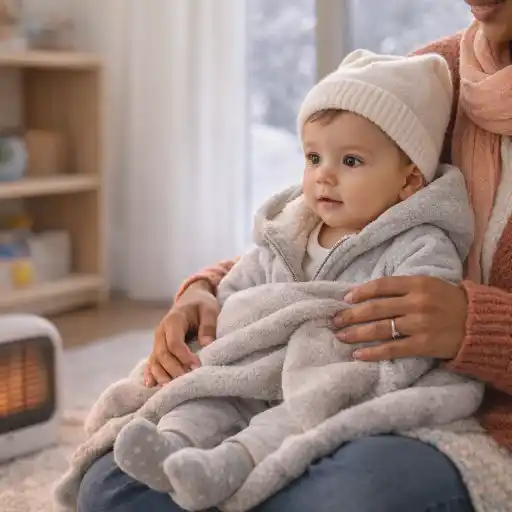
If an infant seems too warm, remove an unnecessary layer and reassess. Check that the sleep space is away from direct heat sources such as radiators and portable heaters, and avoid overheating the room. A room thermometer can make conditions easier to monitor, but guidance on a precise ideal temperature can vary; follow local licensing rules and your program’s policy rather than treating one number as a universal standard.
Keep observation records in line with program procedures and licensing requirements. If the infant seems unwell, has concerning symptoms, or does not improve after a reasonable adjustment, follow the child’s health plan and contact the family or seek medical guidance as appropriate. Safe sleep practices reduce known environmental hazards, but they do not replace medical assessment.
What safe-sleep steps should happen at every nap?
Make the safe-sleep sequence predictable for every staff member, substitute, and infant. Before placing a baby down, confirm that the crib or approved sleep space is in good condition and that the mattress is firm, flat, and designed for that product. Use only a fitted sheet. Place the infant on their back for each nap and nighttime sleep, then keep the space clear of loose items.
Room-sharing is recommended by the AAP for families, but in a child care setting the key operational principle is an individual, separate sleep space for each infant. Do not use couches, adult beds, swings, car seats, or other sitting devices as routine sleep spaces. If a baby falls asleep in a sitting device, move them to an appropriate firm, flat sleep surface as soon as practical.
- Inspect the crib and fitted sheet before each sleep period.
- Remove blankets, pillows, toys, bumpers, and positioners.
- Place the baby on their back and keep the head uncovered.
- Follow established visual checks and documentation procedures.
Consistent routines matter because small departures can become normalized during busy days. Directors can support staff by posting a concise sleep checklist near the infant room, reviewing it at orientation, and checking practice through supportive observation—not only after a concern arises.
How can programs coordinate winter sleep practices with families?
Families may use different traditions, products, or advice at home, and winter concerns can be emotionally charged. Approach conversations with respect: acknowledge that keeping a baby warm is a caring impulse, then explain the program’s safe-sleep practice and the reason for it. Use plain language and offer a practical alternative, such as a fitted sleeper or appropriately sized wearable blanket, rather than simply saying no.
At enrollment and seasonal transitions, share the program’s written safe-sleep policy, ask families to provide suitable sleep clothing, and clarify how staff will respond if an infant arrives in outdoor layers. If a family raises a medical concern or requests an exception, follow applicable licensing rules and program procedures and seek appropriate health care documentation; do not create an informal exception or place loose bedding in the crib.
Use staff meetings to review scenarios: a baby arrives wearing a hat, the room temperature changes during the day, or a sleep sack becomes soiled. Clarifying who changes clothing, where clean items are stored, and how adjustments are recorded helps teams respond consistently. State requirements vary - check your state licensing agency. The CDC’s safe sleep guidance and the AAP’s recommendations provide a strong foundation for family conversations and program procedures.
What common winter safe-sleep mistakes can programs prevent?
Most unsafe winter choices arise from good intentions, convenience, or habits that have gone unexamined. A quick room review and staff reminders can prevent these practices from becoming routine. The goal is not to criticize caregivers but to create a system that makes the safe option clear and easy.
- Leaving a hat on indoors: Remove it before sleep and keep the head uncovered.
- Adding blankets for warmth: Use suitable clothing or an appropriately sized wearable blanket; keep the crib clear.
- Assuming cold hands mean the baby needs another layer: Check the chest or back of the neck instead.
- Leaving outdoor clothing on during sleep: Remove coats, snowsuits, and other bulky outerwear once indoors.
- Using a warmer room and extra layers together: Review both room conditions and clothing rather than adjusting only one.
- Relying on informal staff memory: Use a written policy, orientation, and routine checks.
Also avoid weighted blankets, weighted sleep sacks, sleep positioners, and products not intended to meet infant sleep safety standards. If the infant is ill or has specific temperature needs, follow the family’s health information and consult the appropriate health professional. Avoid making a product or temperature claim based solely on marketing or anecdote.
Small habits—uncovering the head, checking the torso, and keeping the sleep space empty—are easy to repeat and meaningful in a busy infant room. Reinforce them with a supportive team culture that invites questions and corrects issues promptly.
Conclusion: What should providers remember about winter infant sleep?
Keeping infants safe in winter means maintaining the same evidence-based safe-sleep practices used throughout the year while adjusting clothing thoughtfully. Place babies on their backs for every sleep, use a firm, flat surface with a fitted sheet only, and keep loose bedding, toys, and head coverings out of the sleep space. Choose suitable sleepwear instead of adding blankets, and watch for signs that a baby may be too warm.
For child care teams, reliable safety comes from shared habits: a clear policy, staff training, routine crib checks, careful observation, and respectful communication with families. Use the same straightforward steps for every infant and every nap, and consult health professionals when individual concerns arise. To deepen your understanding of safe sleep risks and caregiver practices, explore Help Me Sleep Safely: SIDS/SUID Prevention Buy Now $35.00. The central question has a practical answer: keep babies warm with appropriate clothing, not extra bedding, and make safe sleep consistent in every season.
Additional ChildCareEd courses: Safe Sleep Training  Buy Now $16.00; SIDS: Saving Babies: A Change of Position, A Change in Tradition Buy Now $29.00; Prevention of Sudden Infant Death Syndrome and Use of Safe Sleep Practices Buy Now $8.00.
- Help Me Sleep Safely: SIDS/SUID Prevention
- Reducing the Risk of Sudden Infant Death Syndrome
- Reducing the Risk of Sudden Infant Death Syndrome
- CDA Family Child Care Credential
- CDA Family Child Care Credential with Portfolio Review
- Safe Sleep Training
- Texas Director Credential
- Prevention of Sudden Infant Death Syndrome and Use of Safe Sleep Practices
- 45-Hour Infant and Toddler Curriculum
- Shoo, Germs! Don't Bother Me!
- Safe sleep basics (and common mistakes to avoid)
- The Role of Safe Sleep Practices in Reducing SIDS Risk
- SIDS Science: What Every Parent Needs to Know About Safe Sleep
- Protecting Infants and Preventing Sleep-Related Incidents
- Why Safe Sleep Training Matters: Preventing SIDS and Promoting Infant Well-Being
- Recursos en Español sobre el Sueño Seguro del Bebé
- ¿Qué Calificaciones Necesitas para Trabajar en Cuidado Infantil?
- Capacitación en Salud y Seguridad Preventiva en Línea para Proveedores de Cuidado Infantil
- Proporciones de Cuidado Infantil y Tamaños de Grupo por Edad en Maryland (Guía Rápida para Centros y Hogares)
- Proporciones de Cuidado Infantil y Tamaños de Grupo por Edad en Virginia (Guía Rápida para Centros y Hogares)
- Cómo Trabajar en el Cuidado Infantil en Wisconsin: Requisitos y Pasos
- How can we use nature-based learning through Minnesota's outdoor seasons?
- Canciones, juegos y preguntas de círculo para niños
- La mejor manera de hacer seguimiento a la capacitación de su equipo de daycare How to Organize Staff Training for Your Child Care Center Cómo organizar la capacitación del personal para su centro de cuidado infantil
- How Can Child Care Providers Implement Safe Sleep Practices Every Day?
- What Should Experienced Child Care Staff Review in a Safe Sleep Refresher?
- How Can Child Care Programs Keep Infant Safe Sleep Practices Consistent Across Caregivers?
- How Can Child Care Providers Keep Infants Safe During Winter Without Overheating?
- How Can Child Care Providers Manage Dry Skin, Chapped Lips, and Eczema in Winter?
- How Can Child Care Providers Keep Children Hydrated During Winter?
