Behavior Guidance Tools for Today’s Diverse Learners
Helping children behave well in the #classroom can be one of the most rewarding parts of childcare work. But it can also be one of the hardest. In every classroom, children come with different languages, cultures, #learning styles, and needs. Using practical tools for behavior guidance helps all children feel #safe, respected, and ready to learn.
This article will share easy-to-use tools and ideas to guide behavior and support diverse learners in your care. You’ll also find links to training and resources that can help you grow as a childcare educator.
Understanding Diversity in the Classroom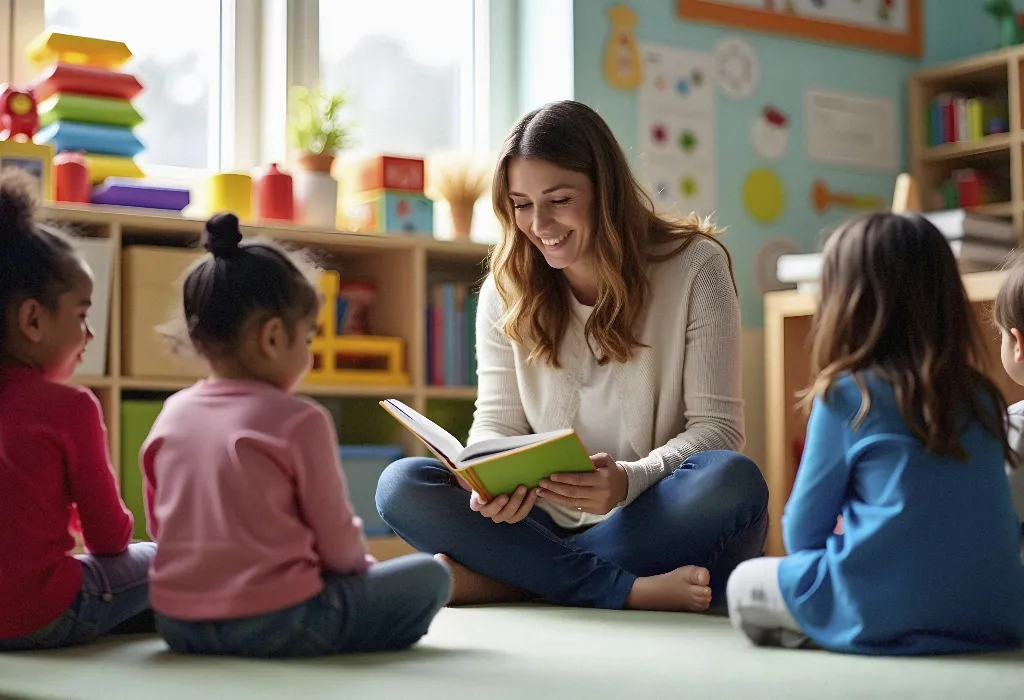
Every child is different. Some speak more than one language. Some need extra time to learn new routines. Some may express big feelings in ways that are hard to manage.
When we understand these differences, we can use behavior tools that fit each child’s needs.
Basic Tools for Behavior Guidance
Here are key tools you can use every day:
✔ Clear Expectations
Children behave best when they know what you expect.
- Use simple, short directions
- Show pictures or cues to explain rules
- Review rules often
✔ Predictable Routines
Routines help children know what comes next.
- Start each day the same way
- Use visual schedules
- Give warnings before transitions (like “5 minutes till cleanup”)
✔ Positive Reinforcement
Praise specific good behavior.
For example:
- “I love how you took turns with your friend!”
- “Thank you for walking safely.”
✔ Calm Redirection
When a child is struggling:
- Offer choices (“Do you want blocks or books?”)
- Move them to a quiet space for a break
- Use gentle language
These tools help build trust and reduce frustration for all children, including those learning #language-skills or adapting to classroom routines.
Behavior Tools that Support Diverse Learners
Children come from many backgrounds and have unique ways of learning. Some tools help you reach every child fairly.
🌍 Use Visual Supports
Pictures, charts, and icons help children with language differences understand routines and expectations.
🗣 Simple and Clear Language
Speak in short, easy sentences.
Show actions while you speak (like pointing to a picture of “sit here”).
🧠 Flexible Strategies
Different children respond to different supports. Try:
- Hand signals for listening
- Songs for transitions
- Movement breaks for children who need more activity
🤝 Partner with Families
Talk with parents about how children behave at #home. When you work together, you can use consistent strategies that help the child feel safe and supported.
Behavior Guidance Tools You Can Learn More About
If you want training to build your skills, these online courses from ChildCareEd.com are directly related and easy to take:
- Training Guide for Families from Diverse Language and Cultural Backgrounds (ChildCareEd Course) — Helps you understand how to work meaningfully with families and respect #cultural differences.
- Diversity, Equity, and Inclusion in Education (ChildCareEd Course) — Offers strategies to support inclusion and fairness in your classroom.
These trainings give you tools to build success and confidence every day.
A Helpful Resource for Your Classroom
- ChildCareEd Free Resources — You can find printable tools, charts, guides, and planning sheets to support behavior guidance and classroom routines.
- Related resource Buy Now $0.00
Read More About Managing Behavior
- Check out this related article from ChildCareEd:
Managing Behaviors in the Early Childhood Education Classroom
It offers more tips and strategies to support behavior and emotional #development:
Stay Connected for More Ideas
Follow ChildCareEd on Instagram for daily tips, ideas, and support from childcare professionals.
👉 Follow here
Final Tips for Success
Behavior guidance is not about punishment. It’s about teaching, supporting, and helping children grow.
Remember these simple truths:
- Children need clear expectations.
- All learners respond to kindness and consistency.
- When you show care and respect, behavior improves.
By using these tools and strategies, you will help every child feel confident, safe, and ready to learn.
- Teach with Respect ONLINE
- Power of Art: Bldg Self-Esteem & Positive Behavior for ALL Abilities
- The ABCs of Behavior: Turning Challenges into Learning Opportunities
- Pediatric RSV First Aid & CPR/AED
- 24 Hour Texas Pre-Service
- Emergent Learning & Development
- Creating Environments that Nurture Growth and Community
- Shifting Gears to Respect
- Inclusive Montessori: Supporting Diverse Learners in the Classroom
- Technology as a Classroom Tool
- ChildCareEd: Empowering Early Childhood Educators with Quality Training
- Support Services from ChildCareEd for our Learners
- 🤝¿Cómo fomentar respeto e inclusión en el aula infantil? 🌻
- ¿Cuál es la Diferencia Entre la Crianza Respetuosa y la Crianza Permisiva?
- Ejemplos de Crianza Respetuosa vs. Crianza Permisiva
- How can childcare programs use inclusive practices every day?
- How can Michigan early educators use culturally responsive teaching in their classrooms?
- How can California early childhood educators communicate respectfully with diverse families?
- How can I support children with special needs in my child care program?
- How can early childhood programs in Texas build strong communication with families?
- How can we adapt activities for diverse learners?
- How can I support English Language Learners in Michigan childcare classrooms?
- How do I create meaningful individual learning goals for young children?
- Beyond “How Are You?” Circle Time Questions Kids Actually Want to Answer
- How Can Child Care Providers Create Sensory-Friendly Classroom Spaces?
- ¿Todos los niños deben participar en el tiempo de círculo?
- How Can Child Care Providers Prepare for a Family Meeting When a Child May Need Additional Support?
- How Can You Show Families Their Child’s Progress in Classroom Participation?
