$2.49 One-time license · lifetime download access
Buy Now charges your payment method right away — the resource appears under My Resources. Or add it to your cart and check out together with trainings.
Description
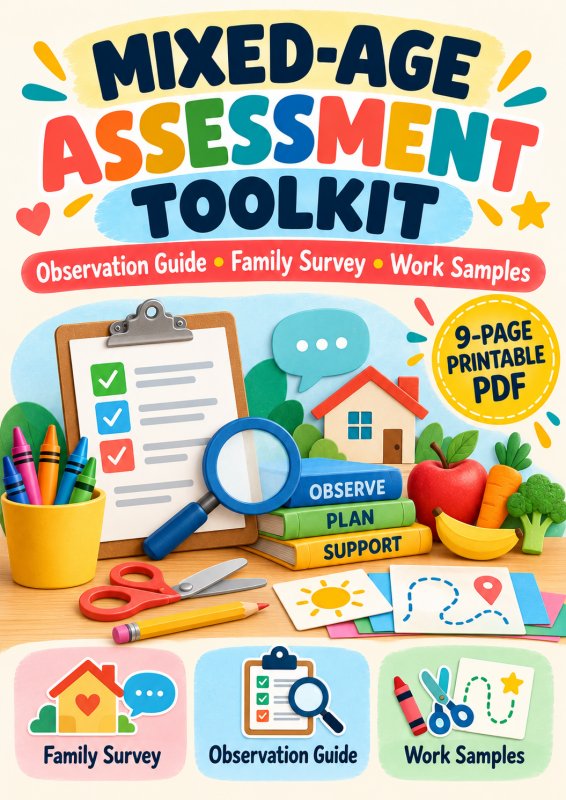
Make early childhood assessments more meaningful, organized, and developmentally appropriate with this 9-page Mixed-Age Assessment Toolkit!
Designed for preschool teachers, childcare providers, and early childhood educators, this printable resource combines a family feedback survey, an observation-methods reference guide, and hands-on learning activities to help teachers document children's skills, recognize individual strengths, and support learning across mixed-age classrooms.
What's Included:
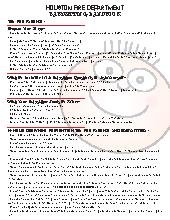
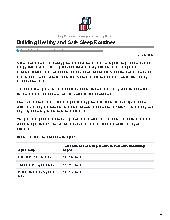
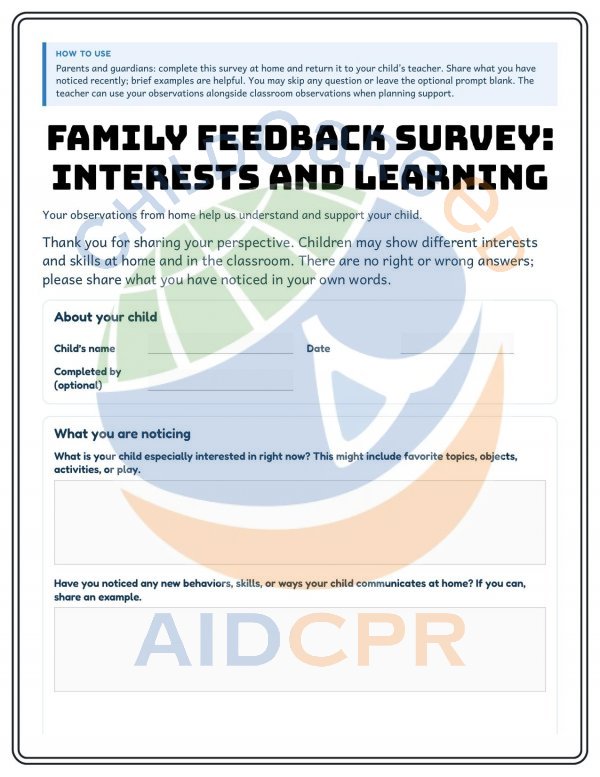
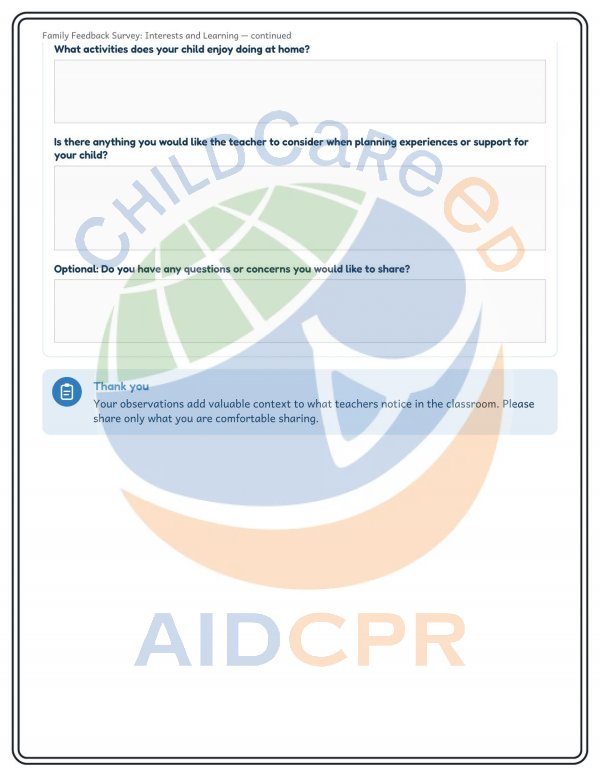
- Family Feedback Survey: Interests and Learning: A parent questionnaire that helps educators understand children's interests, emerging skills, communication, and learning experiences at home.
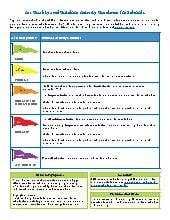
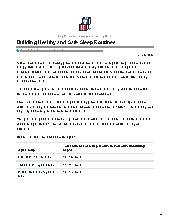
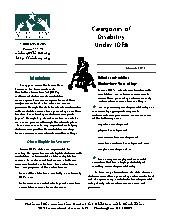
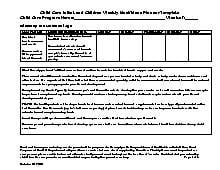
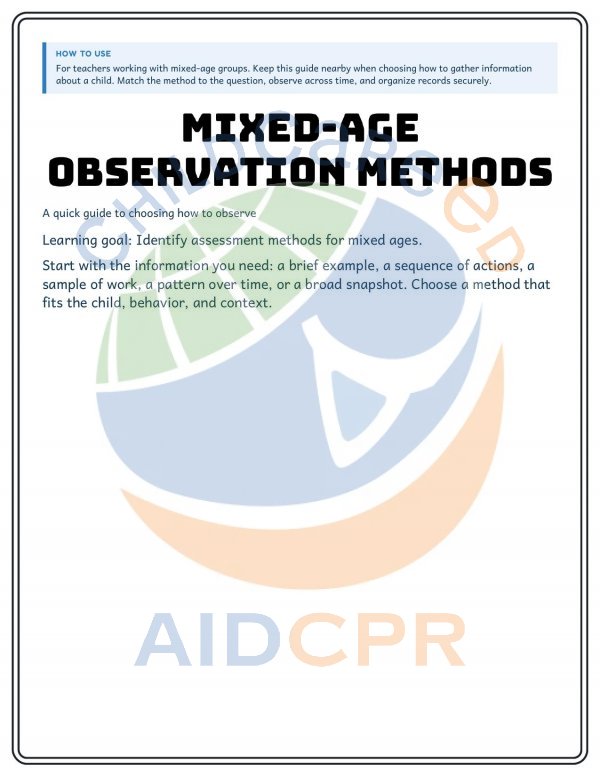
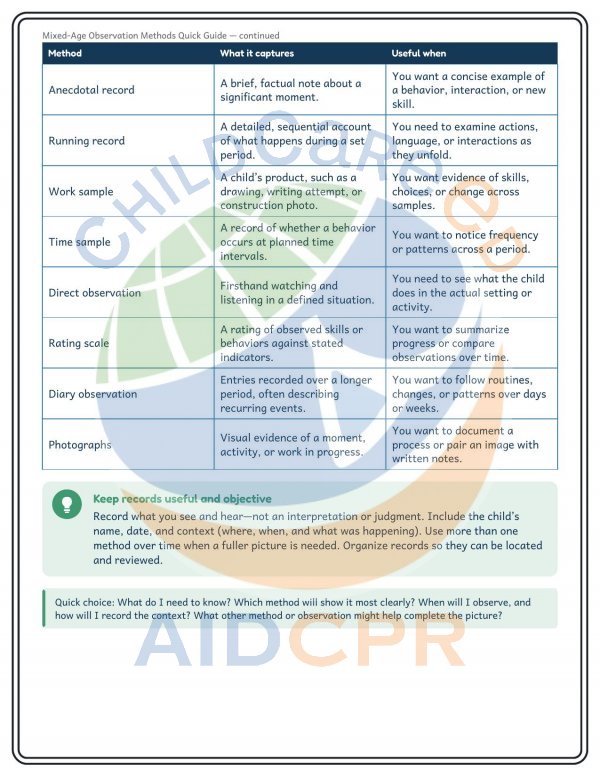
- Mixed-Age Observation Methods Quick Guide: A teacher reference comparing eight observation and assessment methods, including anecdotal records, running records, work samples, time sampling, direct observation, rating scales, diary observations, and photographs.
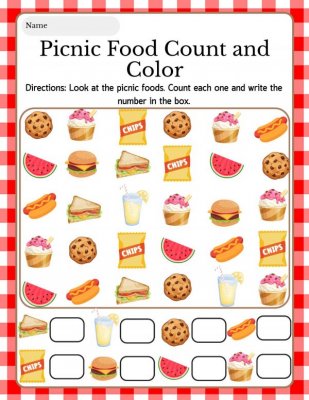
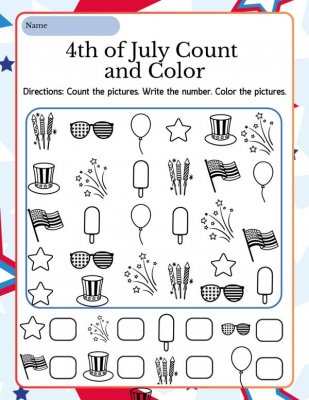
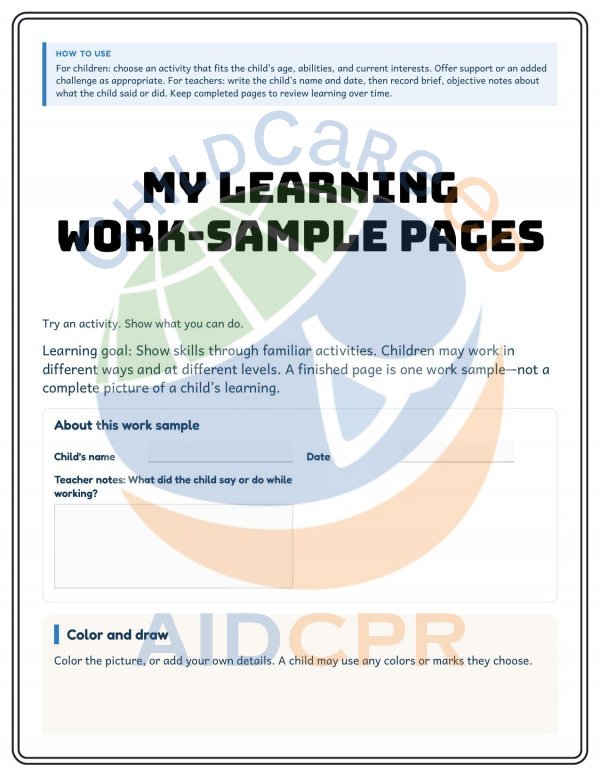
- My Learning Work-Sample Pages: A collection of printable activities designed to provide examples of children's developing skills through:
- Coloring and drawing
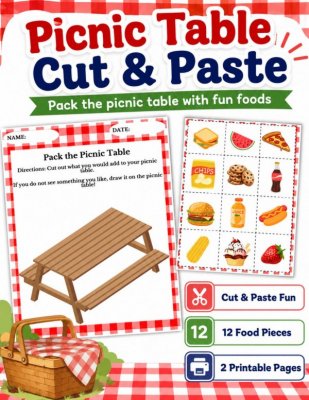
- Scissor skills and cutting practice
- Fruit and vegetable sorting
- Community helper matching
- Simple maze and problem-solving activities
Perfect For:
- Mixed-age early childhood classrooms
- Preschool and Pre-K assessment
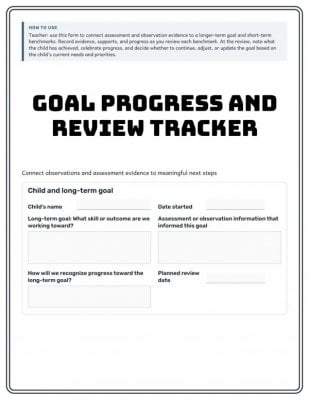
- Child observation and documentation
- Learning portfolios and work-sample collection
- Fine motor and sorting activities
- Family-teacher communication
- Individualized instructional planning
Why Educators Will Love It:
Every child develops at their own pace, and understanding their learning requires more than a single worksheet or observation.
This toolkit helps educators choose appropriate observation methods, collect meaningful examples of children's work, and incorporate family perspectives into classroom planning.
With reusable reference materials and adaptable child-friendly activities, teachers can document children's progress and better understand their individual learning needs.
Important: These materials are intended for informal observation and instructional planning. They are not standardized assessments, developmental screening instruments, or diagnostic tools.
Related Training(s)

Other items you may like