Latest Blog & News in English
How to Open a Home Daycare in Virginia
04/23/2026Starting a home daycare can feel big, but you can do it step by step. This guide helps child care providers and directors in #Virginia who want to open a safe, legal, and welcoming #home childcare program. It covers the main legal steps, how to set up your space and trainings, business basics, and w... How to Open a Home Daycare in Virginia

North Carolina Home Daycare Licensing Standards
06/18/2026Starting or running a family home daycare can feel big. This guide helps child care providers and directors understand North Carolina rules in clear steps. Why it matters: good rules keep children safe, help your program run smoothly, and build trust with parents. Read on to learn the main steps, s... North Carolina Home Daycare Licensing Standards
How Many Kids Can You Watch Without a License in Wisconsin?
06/23/2026Thinking about watching kids in your home or offering regular care? You are not alone — many #Wisconsin #providers ask the same question. This short article helps directors and home providers understand the line between occasional babysitting and running a home program that needs a license. R... How Many Kids Can You Watch Without a License in Wisconsin?
Oregon Child Care Ratios and Group Sizes by Age: Home Daycare Guide
07/10/2026Running a #home daycare in #Oregon means knowing the rules for how many children one adult can care for. This article helps providers and directors understand the basics, where to look for Oregon rules, and easy steps to stay safe and legal. State requirements vary - check your state licensing agenc... Oregon Child Care Ratios and Group Sizes by Age: Home Daycare Guide

45-Hour Infant and Toddler Course: Training, Requirements, and Tips
06/10/2026If you work with very young children, a 45-hour infant and toddler course can help you grow your skills and meet job or licensing rules. This article explains what the course is, who needs it, what you will learn, how to finish it, and how to avoid common mistakes. You will find practical steps yo... 45-Hour Infant and Toddler Course: Training, Requirements, and Tips

Empowering Early Childhood Education: NYAEYC
04/02/2024What is NYAEYC and why does it matter for New York early childhood educators? Organizations such as the New York Association for the Education of Young Children (NYAEYC) advocate for high-quality learning experiences for young children. NYAEYC’s mission is to promote excellence in early-child... Empowering Early Childhood Education: NYAEYC
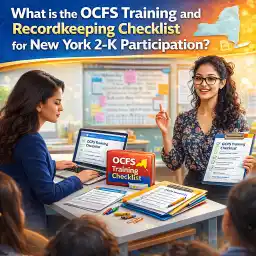
What is the OCFS Training and Recordkeeping Checklist for New York 2-K Participation?
06/17/2026Getting ready to offer New York 2-K seats means more than room and toys. You must meet OCFS rules for staff #training, clear #recordkeeping, background checks, and safe spaces. This short guide helps directors and #providers plan step-by-step so your program can compete for 2-K seats and pass moni... What is the OCFS Training and Recordkeeping Checklist for New York 2-K Participation?

What is a simple first-week training plan for staff onboarding in New York child care?
06/24/2026Starting a new staff member the right way keeps children safe and helps your team feel supported. This short plan helps New York child care directors and providers run a calm, clear Week 1 of #onboarding #training #NewYork #staff #safety. State requirements vary - check your state licensing agency... What is a simple first-week training plan for staff onboarding in New York child care?

How do I register on the Aspire Registry as a New York child care provider?
06/25/2026Welcome — this short guide shows step-by-step how to register on the #Aspire #Registry if you are a #NewYork #provider who needs to record #training. Use this with your program plan and remember: state requirements vary - check your state licensing agency. Links below point to trusted ChildCar... How do I register on the Aspire Registry as a New York child care provider?
How Can We Build Strong Partnerships with Families?
05/18/2026Working with families is one of the most important parts of early childhood care. Strong family partnerships help children learn, feel safe, and grow. In this article you will find clear, practical steps you can use today. You will also see links to helpful resources and trainings from ChildCareEd a... How Can We Build Strong Partnerships with Families?
