Paper mache can transform recycled paper into an open-ended art experience for young children. With close supervision and a developmentally appropriate setup, educators can invite children to investigate texture, form, and color. For ideas about supporting creative learning, explore ChildCareEd’s CDA Subject Area 2  Buy Now $80.00 and Art from the Heart for Preschoolers: Open Ended Art Projects that Build Self-Esteem Buy Now $35.00. These courses offer professional development; check with your own licensing agency or registry about whether any training applies to your requirements.
How can educators set up a paper mache activity for young children?
Begin with a small-scale project and prepare the materials before inviting children to the table. Protect the work surface, provide scrap paper torn into manageable pieces, and place paste in shallow containers. Offer a simple base, such as a lightweight cardboard shape or a balloon prepared by an adult. Children can choose where to place paper strips and what colors to add; the goal is exploration and individual decision-making, not producing identical finished objects. For additional ideas about supporting process art and turning craft ideas into learning activities, connect the project to children’s questions and choices.
Keep the activity brief enough to match the group’s attention and comfort with messy materials. Demonstrate how to dip, remove excess paste, and smooth a strip, then let children try with support. Offer a dry area for completed work and plan for drying time before painting or displaying projects. If a child prefers not to touch paste, provide a tool such as a wide brush or let the child direct an adult helper.
How can educators plan materials and participation?
Before the activity, assess each child’s developmental abilities, sensory preferences, and established approaches to material exploration. Prepare only the paste and paper needed for the group, keeping unused supplies out of reach. A shallow tray can contain materials, while a damp cloth and a predictable handwashing routine support an orderly cleanup. Ensure that every child has adequate workspace and can participate without crowding or reaching across another child’s project.
Provide multiple avenues for participation. A child might tear paper, select colors, indicate where a strip should go, or describe an idea while an adult applies the paste. These options preserve children’s agency while accommodating differences in sensory processing and fine-motor abilities. In a collaborative project, structure turn-taking and invite children to discuss how individual contributions shape the shared work. Observe each child’s engagement and adjust the pace, tools, or level of assistance rather than expecting uniform participation.
Which paper mache projects work well for preschoolers and toddlers?
For preschoolers, consider a collaborative paper mache bowl, a small animal form, or a textured landscape on a sturdy base. Invite children to decide whether their creation represents an animal, a place, or an imagined object. An adult should prepare or stabilize the base, while children add and arrange paper. A fish-inspired project can connect with the existing paper mache Nemo video, but let children adapt the idea rather than requiring a copy.
For toddlers, simplify participation by offering a large, stable form and helping them press on a few larger paper pieces. Keep turns brief, supervise closely, and select materials according to the children’s developmental abilities and behaviors. If a child is likely to mouth materials, choose a different art process; paper, paste, and small project components are unsuitable for that child. The related guides to safe toddler crafts and fine-motor activities can help you adapt art experiences to your group.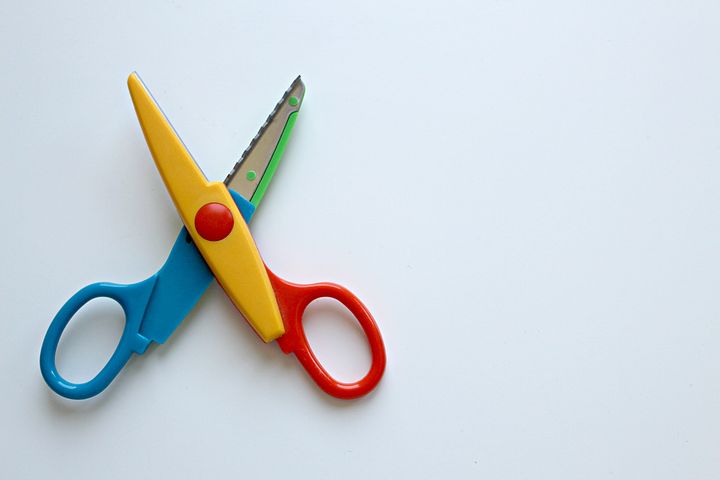
How can teachers make and use paper mache paste thoughtfully?
The existing videos compare flour-based and glue-based approaches, but recipes and ingredients vary. Review the ingredients and instructions before use, follow your program’s material and allergy policies, and prepare paste yourself rather than asking children to handle ingredients or make the mixture. Do not assume a homemade paste is edible or safe to ingest. Use only materials suitable for the children and setting, supervise continuously, and wash hands after the activity. If you are unsure whether a material is appropriate, select a different medium.
Paper mache can also prompt language and early science conversation without turning the project into a worksheet. Ask children to describe whether paper feels wet, smooth, or crinkled; predict what might happen as it dries; and explain the choices they made. Connect this exploration to open-ended art and creative reuse of materials. For broader professional development about arts and child development, see ChildCareEd’s Open Heart, Open Art Buy Now $16.00; confirm with your registry or employer whether a course applies to a specific requirement.
How can educators extend the activity and reflect on learning?
Once the project has dried, offer paint or collage materials if appropriate for the group and invite children to determine how to complete it. Pose open-ended questions such as, “What would you like to add?” or “What did you notice while the paper dried?” Document children’s words or choices, and share the process with families when useful. A finished object is only one outcome: children may also practice grasping, coordinating hand movements, communicating ideas, negotiating shared materials, and making decisions. For more craft ideas connected to learning through crafts and motor development, adapt the materials and level of support to the children you serve.
How can educators observe and document the process?
Observe how children engage with the materials: Do they experiment with strip placement, persist when a piece slips, or seek assistance when the paste feels unfamiliar? Document concise, objective observations rather than evaluating the project by its resemblance to an example. Notes about a child’s choices, language, or problem-solving can inform subsequent planning and help educators communicate the learning process to families.
Reflection can also guide the next activity. Consider whether the setup allowed children to participate independently, whether tools or group size should change, and which materials held their interest. If children return to a project over several sessions, preserve their work between turns and invite them to decide what should happen next. This keeps the experience responsive to children’s ideas while giving educators useful information about engagement and support needs.
What should educators remember about paper mache in this summary?
Paper mache works best as a supervised, flexible art experience rather than a task with one correct result. Prepare materials in advance, select a project suited to children’s ages and behaviors, and offer meaningful choices. Avoid materials that children may mouth, follow your program’s safety policies, and give projects enough time to dry. #Paper #Mache #Preschool #Creativity #Process
How To Paper Mache - FLOUR VS GLUE (YouTube)
Paper Mache Clay Recipe - The Easy Original Recipe (YouTube)
How to Make a Paper Mache Nemo Clown Fish (YouTube)
DIY Simple idea from paper | Recycled paper craft | Jewelry box
- CDA Home Visitor Subject Area 3 Part 3 Birth to 5
- CDA Home Visitor Subject Area 2 Part 3 Birth to 5
- Birth to Five CDA Credential with Portfolio Review
- Art from the Heart for Preschoolers: Open Ended Art Projects that Build Self-Esteem
- Emergent Learning & Development
- 45-Hour Infant and Toddler Curriculum
- Creating Environments that Nurture Growth and Community
- Access for All: Inclusion and the ADA
- Montessori Cultural Activities: Exploring the World Through Play and Learning
- Technology as a Classroom Tool
- Creativity & Logic Activities
- Aperitivos saludables para papá
- How to boost fine motor skills: Holiday Edition
- DIY Snow Globes: The Fine Motor Craft That’ll Keep Kids (and Adults) Busy for Hours
- Actividades de Primeros Auxilios Para Niños
- Cute Fall Picture Ideas Teachers Can Try in the Classroom
- Teaching Kids About Memorial Day Through Crafts and Activities
- Cinco de Mayo Crafts and Activities for Preschool and Daycare
- Fun Crayon Activities for Toddlers and Preschoolers
- Which Handwashing Activities Best Help Young Children Build Healthy Habits?
- How can childcare programs meaningfully explore Japanese culture with young children?
- Rainy Fall Day? 12 Indoor Activities Preschoolers Won’t Want to Stop
- Snip, Stick, Celebrate! What Easy Labor Day Crafts Can Toddlers Make?
- How Can Cut, Sort, and Glue Activities Strengthen Early Learners’ Development?
- What No-Prep Activities Can Busy Early Childhood Teachers Use Tomorrow?
- Can You See the Wind? 8 Outdoor Spring Activities That Help Children Explore It
- How Can Halloween Fine-Motor Activities Be Fun Without Being Scary?
- How Do Mazes Strengthen Pencil Control and Problem-Solving in Preschool?
- How Do Cut-and-Paste Activities Build Fine-Motor Control and Planning?
- How Can Spring-Themed Pencil-Control Activities Support Preschoolers’ Pre-Writing Skills?
