What Is Open-Ended Play?
Have you ever given a child a fancy new toy, but they ended up #playing with the box instead? This happens all the time! The toy usually has one purpose. You push a button, and it makes a sound. But the box? The box can be anything. It can be a car, a castle, a rocket ship, or a house.
This is the magic of open-ended play. It is play without a set goal or a single "right" way to do things. In open-ended play, the child is in charge. They decide what the objects are and how the game works.
Examples of open-ended materials include: 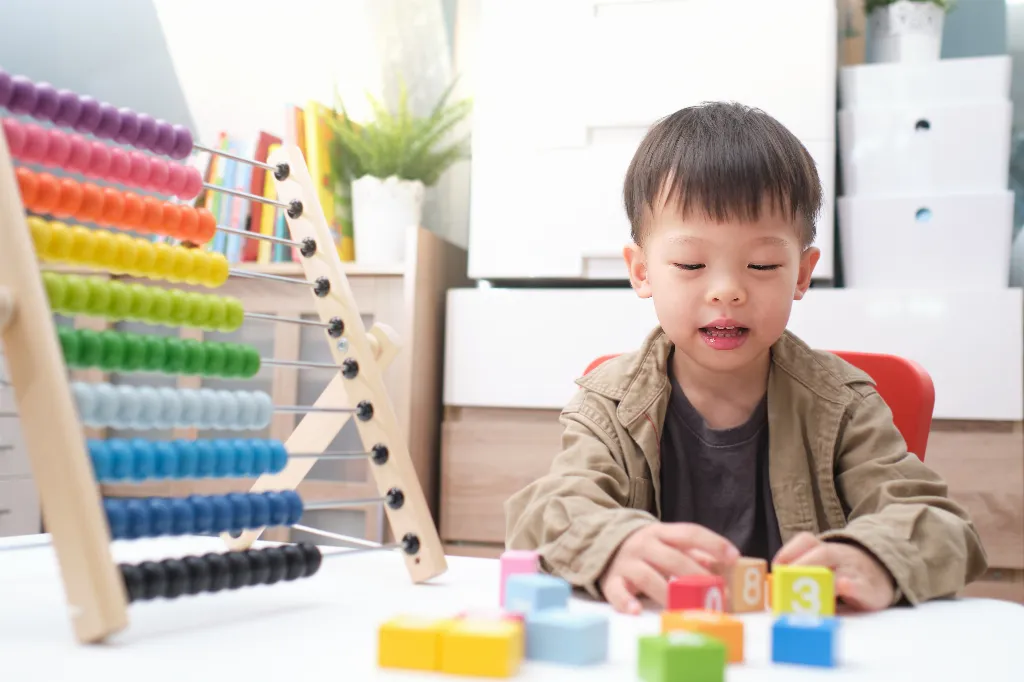
- Blocks and LEGOs
- Sand and water
- Play-dough and clay
- Dress-up clothes
- Cardboard boxes and fabric scraps
When children engage in this type of play, they are not just having fun. They are doing important work for their development.
How Does This Play Help the Brain Grow?
When a child follows instructions to build a specific Lego kit, they are learning to follow directions. This is a good skill. However, when they use a pile of mixed blocks to build a city from their own imagination, they are using higher-level thinking.
Open-Ended play builds #creativity. The child has to picture something in their mind and then try to make it real. If the tower #falls down, they have to figure out why. This is early engineering and problem-solving!
Because there are no rules, children can test new ideas without being afraid of making a mistake. There is no "failure" in open-ended play, only learning. This helps build confidence and independence.
To learn more about how play supports brain #growth, you should check out our course: The Best Promotion is Play  Buy Now $24.00. It dives deep into why playtime is essential for learning.
Why Is It Good for Social Skills?
Have you ever watched a group of children playing "house" or "restaurant"? They are practicing very complex social skills.
In open-ended play, children must talk to each other to make the game work. They have to agree on the rules. They might say, "I will be the cook, and you will be the customer." If two children both want to be the cook, they have to solve the problem.
This teaches:
- Negotiation: Learning to give and take.
- Empathy: Understanding how others feel.
- Cooperation: Working together toward a shared goal.
Closed-ended toys (like a video game or a talking doll) often focus on the child and the toy. Open-ended materials encourage children to focus on each other. This is vital for #socialemotional development.
How Does It Boost Language Skills?
When children play with open-ended materials, they talk—a lot! Because the materials don't speak for themselves, the children have to provide the sound effects, the dialogue, and the story.
A stick is just a stick until a child says, "This is my magic wand!" Then, they have to explain what the magic wand does. They use new words to describe their ideas. They practice storytelling.
Teachers can help by asking open-ended questions. Instead of saying, "Is that a dog?" (which is a yes/no question), you can ask, "Tell me about what you are building." This invites the child to use more words and complex sentences.
If you want to improve your skills in supporting literacy during play, consider taking our course: Play Safe, Think Big: Literacy Through Play Buy Now $10.00. It covers how to identify emerging literacy milestones in the #classroom.
What Are "Loose Parts" and Why Do You Need Them?
One of the best ways to encourage open-ended play is by using "loose parts." Loose parts are materials that can be moved, carried, combined, redesigned, lined up, and taken apart in many ways.
They are not expensive toys. In fact, many are #free!
Great loose parts for your classroom:
- Nature: Pinecones, rocks, sticks, shells, leaves.
- Household: Buttons, spools, bottle caps, toilet paper tubes.
- Fabrics: Scarves, ribbons, blankets.
When you add loose parts to your shelves, you invite children to invent their own games. A stone can be money in a shop, soup in a pot, or a phone.
For more ideas on this topic, read our article: Beyond ABCs: Why 'Loose Parts' Play Is the Secret Sauce in Early Childhood Education.
What Is the Teacher’s Role?
Sometimes, #teachers feel like they need to #lead the activity. In open-ended play, your job is different. You are not the director; you are the stage manager.
Your role is to:
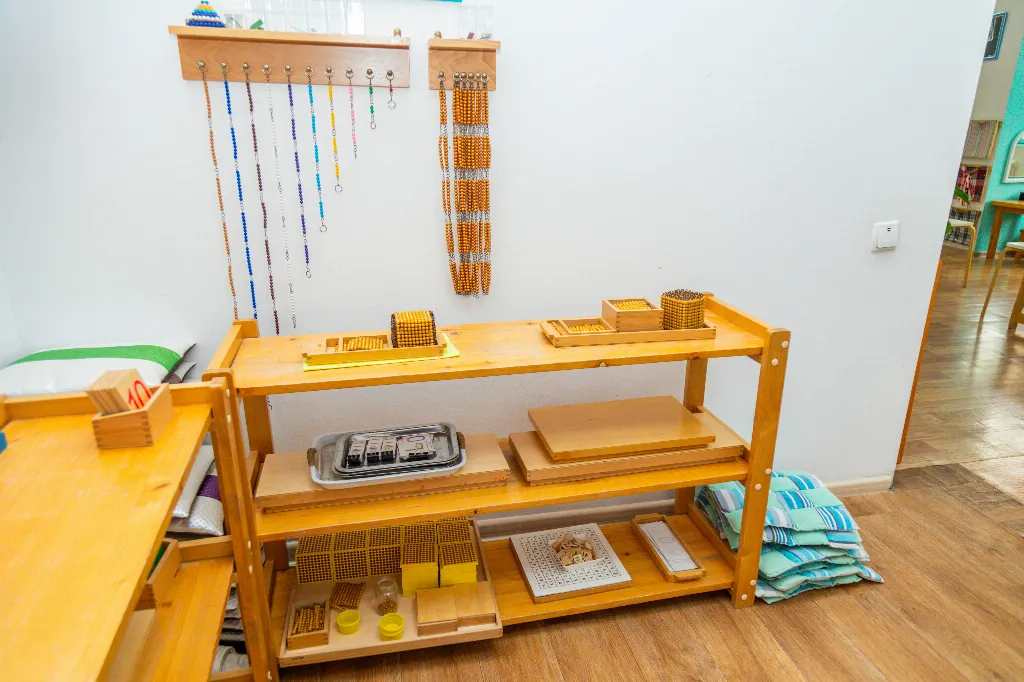
- Set the Stage: Provide #safe, interesting materials.
- Observe: Watch what the children are doing. What are they interested in?
- Support: Step in only if needed to help resolve a fight or offer a new material to extend the play.
For example, if children are building a zoo with blocks, you might simply place a basket of plastic animals nearby without saying a word. Watch how they incorporate the new items. This is called "scaffolding" their learning.
To master these #developmental strategies, explore our course: Play, Learn, Grow Buy Now $16.00. It equips you with the knowledge to create a thriving learning environment.
How Do You Handle the Mess?
This is a common question! Open-ended play can be messy. When children dump out a bin of fabric or blocks, it can look chaotic.
However, this mess is a sign of creativity. The key is to have a system for cleanup.
- Make cleanup part of the game. "Let's drive all the block-trucks back to the garage!"
- Use clear bins with pictures so children know where things go.
- Allow enough time for cleanup so it isn't rushed and stressful.
By teaching children how to care for their environment, you are teaching them responsibility.
Conclusion
Open-ended play is simple, but it is powerful. It does not require batteries or screens. It only requires imagination.
As a #childcareprovider, you have the special opportunity to give children the time and space to explore. When you let them play freely, you are helping them become thinkers, problem-solvers, and good friends.
So, the next time you see a child playing with a cardboard box, remember: they aren't just playing. They are building their future brain, one box at a time.
For a great #classroom-activity, check out our Imagination Basket resource on the Free Resources page.
Do you want more creative play ideas for your classroom? Follow us on Facebook for daily inspiration and community support!
- Safe and Sound: Creating Healthy Environments for Every Child
- 45 Hour Child Growth and Development
- 45 Hour Infant and Toddler Methods and Materials
- 45 Hour School Age Methods and Materials
- CDA Bridge Bundle: Family Child Care without Portfolio Review
- CDA Bridge Bundle: Infant/Toddler without Portfolio Review
- Classroom Setup for Child Care
- CDA Bridge Bundle: Preschool without Portfolio Review
- Texas Director Credential
- Focus on Health and Safety Training
- Bye Bye Winter: The Role of Outdoor Play in Early Childhood Development
- The Family Day Care Chronicles: Tales of Laughter, Learning, and Unexpected Adventures
- Importance of Play for Child Development
- National Grouch Day: Turning Grouches into Giggles, Teaching Kids about Handling Negative Emotions
- Eat, Play, Grow: Essential Nutritional Tips for Growing Minds
- Snack Attack! The Best Brain Foods for Growing Minds
- Cocoa, Cookies, and Cognitive Development: The Holiday Nutrition Guide for Little Learners
- Hungry for Play: The Power of Play-Based Learning in Early Education
- Frosty Fun: Trauma-Informed Play for Resilient Young Learners
- Is the 90-Hour Childcare Certification Really Worth It?
- CDA Certification en Español: Recursos y Consejos para Educadores Bilingües
- Open-Ended Activities That Help Preschoolers Learn
- How can child care programs encourage healthy risk-taking and new experiences?
- Why Do Open-Ended Toys Beat Battery-Powered Ones?
- How Can Child Care Providers Support Healthy Child Growth and Development?
- How Can Child Care Providers Respond Effectively to Temper Tantrums in the Classroom?
- Why Is Outdoor Play Essential for Healthy Child Development?
- Why Do Two Teachers Respond Differently to the Same Classroom Choice?
