A child who laughs, builds, or races across the playroom after a death may still be grieving, with feelings that change throughout the day. Offer the Feelings Faces Chart: 16 Simple Emotions Buy Now $1.50 as an optional way to point to or name a feeling, allowing the child to share as much or as little as they choose. For a deeper understanding of how children express grief and how providers can support them, explore Healing Young Hearts: Stress and Grief  Buy Now $16.00. Read on for classroom approaches that make room for both play and difficult feelings while keeping care steady and connected.
Why might a grieving child seem fine while playing?
Young children often move in and out of grief rather than expressing sadness continuously. A child may cry during a conversation, then return to blocks or pretend play minutes later. This shift does not mean the loss has been forgotten or resolved. Play can help children regulate intense feelings, maintain familiar rhythms, and explore experiences in ways that are manageable for them.
Grief also does not have one visible pattern. Some children become quiet or clingy; others are energetic, silly, irritable, or apparently unchanged. A young child may not yet have language for missing someone, understand that death is permanent, or connect a behavior change to the loss. As the American Academy of Pediatrics notes, children may show few outward signs in some settings, and grief can resurface as their understanding develops.
For providers, the key is to avoid reading a single moment as a full account of a child’s inner life. Notice the child over time, in different routines and relationships. Treat play as meaningful communication, but do not assume every play theme is a direct symbol of grief. A child’s capacity to play and their experience of loss can exist side by side.
How can providers respond without interrupting the child’s play?
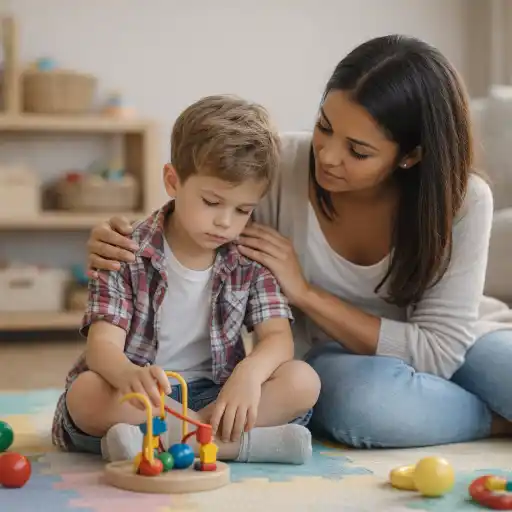
Begin with a calm, available presence. You do not need to turn play into a counseling session or ask a child to explain what every toy represents. Stay nearby, follow the child’s lead, and offer a gentle invitation to connect. For example: “I’m here if you want to talk or play together,” or “You can tell me about someone you miss whenever you want.”
If the child brings up the person who died, listen more than you speak. Reflect what you hear without interpreting: “You’re thinking about your grandpa,” or “You wish she could be here.” Use the person’s name when appropriate and family preferences are known. Avoid statements such as “I know exactly how you feel,” since each person’s experience is distinct.
- Keep open-ended materials available: drawing supplies, dolls, blocks, books, and sensory materials can offer different ways to express or regulate.
- Allow ordinary play and moments of joy; do not imply that the child should look sad to show love.
- Follow the child’s cues. If they change the subject or return to play, respect that choice and remain accessible.
- 🧸 Offer a familiar comfort object or a quiet space when the child seeks one, without making either a requirement.
These practices honor the child’s agency and support #emotional-safety without forcing disclosure.
What language and everyday routines help a child feel secure?
Clear, simple, developmentally appropriate language helps prevent confusion. When a child asks about death, answer the question honestly and briefly, then check what the child understood. For instance, “Grandma died. Her body stopped working, and she cannot come back. We can still remember and talk about her.” Avoid euphemisms such as “went to sleep” or “went away,” which can be taken literally and create fears about sleep or separation. Families may use spiritual or cultural explanations; respectfully coordinate with caregivers and make room for their beliefs while keeping the physical facts clear when needed.
Predictable routines can offer an anchor when the child’s life has changed. Keep the usual arrival greeting, meals, rest time, and transitions as consistent as circumstances allow. Let the child know ahead of time about changes and give simple choices where possible. If concentration, appetite, sleepiness, toileting, or transitions shift, respond with patience rather than punishment. These may be temporary signs of strain, not deliberate misbehavior.
Consider that loss may also bring secondary changes: a different pickup person, altered family schedule, move, or reduced availability of a caregiver. A child who seems settled during free play may find transitions or departures harder. Calm observation across the day helps identify when support is useful. Small rituals—sharing a memory, looking at a family-approved photo, or making a drawing—can be offered, never imposed.
How should programs partner with families and respect differences?
Families know the child’s relationships, language, beliefs, and preferences. Check in privately and compassionately, without demanding details: “We’re thinking of your family. What would be helpful for us to know about supporting Maya at school?” Ask what words the family uses, whether the child has questions at home, and what routines or comforting practices are important. Share specific, neutral observations rather than conclusions: “He played as usual outside, and asked about his aunt at lunch.”
Respect that families mourn in different ways and may want privacy, frequent communication, or particular memorial practices. Do not assume what a child should be told, how they should participate in a ritual, or which memories matter most. Coordinate with the family before discussing the death with classmates or introducing a group activity. Protect the child’s privacy while still arranging the practical supports needed for their day.
Within the program, agree on a simple, consistent plan: which staff members know, what language to use, how to respond if the child asks questions, and who will communicate with the family. Share information only with staff who need it to care for the child. Directors can help by allowing flexibility with family tasks and providing staff a chance to debrief confidentially. When training hours or professional development are relevant, remember: state requirements vary - check your state licensing agency.
When should a provider seek additional support?
There is no single timeline for grief, and many reactions ebb and return around birthdays, holidays, family changes, or developmental milestones. Monitor the child’s functioning over time and consult the family if a change is persistent, intense, or interfering with participation, relationships, rest, or everyday care. Repeated distressing reenactments, marked withdrawal, severe anxiety, sustained regression, or statements suggesting the child feels unsafe deserve careful attention. These signs do not allow educators to diagnose, but they do warrant a supportive conversation and possibly consultation with the child’s pediatrician or a qualified mental health professional.
Follow program policies and local procedures, and share observations factually. If there is an immediate safety concern, use established emergency and safeguarding protocols. For a traumatic death or exposure to disturbing events, the National Child Traumatic Stress Network offers caregiver information that may help adults understand when trauma-related grief needs specialized attention.
Common pitfalls to avoid include:
- Assuming playfulness means the child is unaffected—or treating every playful moment as a hidden symptom.
- Pressuring the child to talk, draw, attend a memorial, or participate in a grief activity.
- Using vague language, minimizing the loss, or promising that the child will soon feel better.
- Interpreting grief-related behavior as defiance without considering stress, changed routines, or unmet needs.
Providers can offer steady care, not clinical treatment. A trusted relationship, careful observation, and timely collaboration help connect children and families with further support when needed.
Conclusion: What should you remember when a grieving child keeps playing?
A child’s play can be both ordinary and part of how they cope. Looking fine in one moment does not tell the whole story, and looking sad is not the only valid expression of loss. Follow the child’s pace, listen when they open a door to conversation, use honest language, maintain predictable care, and partner respectfully with family members.
Notice patterns without labeling or diagnosing. Share concrete observations with caregivers and consult appropriate specialists when distress is severe, persistent, or disrupting daily functioning. Above all, let the child experience play, connection, and grief without having to choose between them. Your calm, reliable presence communicates: you are welcome here, and you are not alone.
Further professional learning: These English-language ChildCareEd courses can extend your practice in related areas:
- Healing Young Hearts: Stress and Grief Buy Now $16.00
- Trauma-Sensitive Care: Supporting Young Children with Empathy Buy Now $16.00
- Mental Health in Early Childhood Buy Now $24.00
- Bridging Intent and Response: Communication Buy Now $32.00
- ACEs and Resilience in Child Care Buy Now $24.00
References
- American Academy of Pediatrics: Supporting the Grieving Child and Family—Clinical Report
- Child Mind Institute: Helping Kids Cope with Grief
- NAEYC: Helping Young Children Grieve and Understand Death
- NAEYC: Inclusive and Nurturing Grief Support for Young Children and Families
- Northwest Children’s Impact Network: Supporting Young Children Through Grief
- Bienvenido! Welcoming All Families
- CDA Bridge Bundle: Preschool
- CDA Bridge Bundle: Family Child Care
- CDA Bridge Bundle: Family Child Care without Portfolio Review
- CDA Bridge Bundle: Infant/Toddler without Portfolio Review
- CDA Bridge Bundle: Preschool without Portfolio Review
- CDA Bridge Bundle: Infant/Toddler
- Texas Director Credential Renewal
- Texas Director Credential
- CDA Certification en Español: Recursos y Consejos para Educadores Bilingües
- 🔍 ¿Qué ves cuando observas a un niño aprender?
- 💛🧩 ¿Cómo puedo hacer que mi enseñanza sea inclusiva para los niños con autismo?
- ❄️ ¿Qué actividades al aire libre funcionan bien para los niños de Illinois en cada estación? 🌷🍂
- 10 Ejemplos de Cómo la Cultura Influye en el Desarrollo Infantil
- Proporciones de Cuidado Infantil y Tamaños de Grupo por Edad en Maryland (Guía Rápida para Centros y Hogares)
- Proporciones de Cuidado Infantil y Tamaños de Grupo por Edad en Nueva Jersey (Guía Rápida para Centros y Hogares)
- Proporciones de Cuidado Infantil y Tamaños de Grupo por Edad en Virginia (Guía Rápida para Centros y Hogares)
- Actividades de Otoño Fáciles para Preescolares esta Temporada
- Apoyo en Preescolar para Retrasos del Habla: Estrategias Simples que Ayudan
- Consejos de Supervisión Activa para Salones de Preescolar y el Juego al Aire Libre
- Cómo Trabajar en el Cuidado Infantil en Carolina del Norte: Requisitos y Pasos
- Cómo Ser Maestra de Preescolar en Dakota del Norte
- Capacitación Previa al Servicio para Proveedores de Cuidado Infantil en Dakota del Norte
- Celebrando la amistad en el cuidado infantil durante el Día de los Mejores Amigos
- Diversión fresca de verano: actividades del Día Nacional del Helado para niños
- Canciones, juegos y preguntas de círculo para niños
- Cómo simplificar la capacitación para sus empleados de daycare
- How Can You Support a Grieving Child Who Seems Fine During Play?
- How Can Child Care Providers Support a Grieving Child During Their First Holiday Season?
