Social-Emotional Learning (SEL) helps young children name feelings, calm down, make friends, and solve problems. This short guide is for directors and #teachers who want practical, kind steps to bring SEL into your daily work with #children in every #classroom. It draws on practical ChildCareEd tools and research to give you steps you can try tomorrow. For helpful resources see How Can We Support Social-Emotional Learning in Early Childhood? and How to Support Social and Emotional Learning in the Classroom. Also remember: state requirements vary - check your state licensing agency.
What is SEL and why does it matter?
- Recognize feelings (happy, sad, mad, scared).
- Calm their bodies and focus.
- Get along with others and solve problems.
- Make safe, kind choices.
Why it matters:
- 😀 Better learning: Kids who feel safe and understood can pay attention and join activities. Research and guidance from CASEL show SEL supports learning and relationships — see the CASEL guide.
- 🤝 Stronger relationships: Adults who teach feelings help children make friends and be kinder. ChildCareEd explains how routines and warm interactions build these skills (The Importance of Social-Emotional Development).
- 🛡️ Prevention and equity: Teaching SEL early can reduce behavior challenges and help children who face extra stress, a point highlighted by reviews like the RWJF brief on early social-emotional development (RWJF).
Short takeaway: SEL builds skills that help children learn now and grow into resilient adults. For simple classroom ideas, ChildCareEd’s practical posts (like Emotions in Motion) are a great place to start.
How can teachers bring SEL into daily routines?
- 😊 Greet children by name each morning. This builds trust and starts the day calm.
- 🧭 Use 3–5 simple rules (example: "Hands are gentle") and post them where children can see them.
- 📚 Read 1 feelings book a week. Ask: "How does that character feel?" ChildCareEd lists simple books and read-aloud ideas (Emotions in Motion).
- 🧠 Teach one skill at a time: 1) Name the feeling, 2) Use words, 3) Ask for help. Practice with puppets or role-play.
- 👏 Catch and label good behavior: "You used words when you felt mad — great job!"
Tools that help:
- Calm-down cards and posters — free downloads from ChildCareEd make strategies visible (Calm Down Strategy Cards Buy Now $0.00).
- Short scripts and social stories from CSEFEL and ChildCareEd help teachers practice responses (CSEFEL What Works Brief).
- Coaching and peer reflection — schedule brief team check-ins so staff can share wins and practice a tricky moment together. RAND notes coaching supports lasting change (RAND). For programs training or supervising CDA professionals, a practical companion offers role-specific strategies and training tips to help staff apply coaching and classroom routines effectively: Social-Emotional Learning in Early Childhood: Preparing CDA Professionals for Success.
Tip: Keep lessons tiny (2–5 minutes repeated daily). Small, steady steps add up.
How can programs involve families and help children who need extra support?
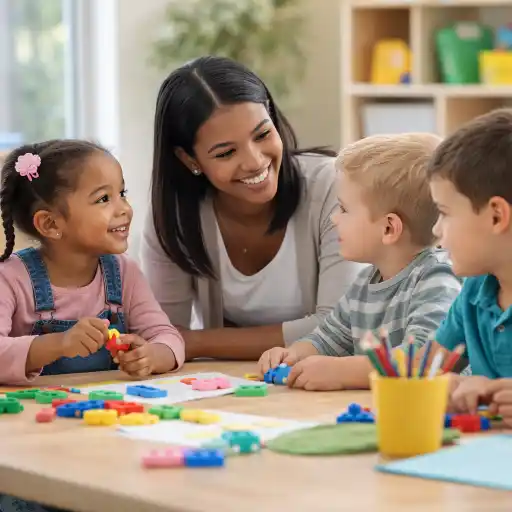
Families and community partners make SEL stronger. Use screening when needed and connect with supports. Family engagement is linked to better outcomes in research and program reviews like RAND’s report on PEDALS (RAND).
- 📞 Contact families early: Send quick notes or pictures about classroom strategies (example: a calm-down corner photo).
- 💬 Share simple home activities: 1) Name feelings during story time, 2) Practice deep breaths together, 3) Play turn-taking games.
- 🧾 Use screening tools to spot children who need more help. When screens show concerns, bring in mental health consultants or community partners. ChildCareEd resources and ECMHC guides list useful tools (ChildCareEd SEL post).
- 🤝 Create a team: teacher, director, family, and a consultant if needed. Teams help design consistent plans across home and school.
Practical steps to connect families:
- 📣 Offer a one-page tip sheet (2–3 ideas) families can try tonight.
- 🗓️ Invite families to a short, welcoming workshop on calm-down strategies or read-alouds.
- 🔄 Share progress: a weekly note on one SEL skill the class is practicing.
Remember: early years are powerful. RWJF explains how strong caregiving supports early social-emotional growth (RWJF).
What are common mistakes and how do we measure success?
Common mistakes and quick fixes:
- ❌ Mistake: Only reacting to behavior. ✅ Fix: Teach the missing skill (sharing, using words, calming) and practice it.
- ❌ Mistake: One-off training with no follow-up. ✅ Fix: Add coaching, short team meetings, and classroom observations.
- ❌ Mistake: Not involving families. ✅ Fix: Send simple home tips and invite family input—engagement improves outcomes.
- ❌ Mistake: Expecting instant change. ✅ Fix: Track small improvements and celebrate progress.
How to measure success (practical and doable):
- 🔍 Observe routines: Are children using words for feelings more often? Do transitions run more smoothly?
- 📈 Use simple checklists or rating tools each month to spot trends. Research tools like the Environment Rating Scales can guide program-level quality checks (Environment Rating Scales research).
- 🗣️ Ask families and staff: short surveys or a one-question weekly note (example: "This week I saw X use words when upset") help track impact.
- 📚 Link to evidence: CASEL and Denham’s research explain what skills to watch for and how SEL links to school success (CASEL, Denham Lab).
FAQ (short):
- Q: How much time do we need? A: Tiny, regular steps (2–5 minutes daily) add up.
- Q: Which curriculum should we pick? A: Choose one that fits your goals and adds coaching; see options in the RAND PEDALS report (RAND).
- Q: What if a child has trauma? A: Use trauma-informed practices, steady routines, and partner with mental health consultants. See ChildCareEd trauma and resilience tips (ChildCareEd).
Conclusion
SEL is a practical, evidence-informed way to help children thrive. Start with small routines, teach one skill at a time, involve families, and use simple measures to watch progress. Use free ChildCareEd tools (calm-down cards, posters, lesson ideas) and lean on coaching and community partners when a child needs more support. Remember: steady, warm adults make the biggest difference.
For tools and printable resources, visit ChildCareEd’s SEL pages: How Can We Support Social-Emotional Learning in Early Childhood? and Emotions in Motion.
SSEL, or social-emotional learning, is how children learn to:Quick wins you can use every day. Start small and repeat often. Teachers who get coaching keep using these moves long-term, as shown by program studies like the PEDALS evaluation (RAND on PEDALS).- 45 Hour Child Growth and Development
- CDA Home Visitor Subject Area 3 Part 3 Birth to 5
- CDA Bridge Bundle: Family Child Care without Portfolio Review
- CDA Bridge Bundle: Infant/Toddler without Portfolio Review
- CDA Bridge Bundle: Preschool without Portfolio Review
- Brighter Futures: Social Emotional Development
- The Right Kind of Influence for Young Children
- Staying Positive: Guidance for Preschoolers
- The Montessori Advantage in Early Childhood
- Building Social Foundations
- Supporting Social Relationships Among Young Children
- Tiny Tots, Big Learning: Crafting Curriculums for the Littlest Learners!
- CDA Certification en Español: Recursos y Consejos para Educadores Bilingües
- Teaching with Purpose
- 💖Heart & Harmony: Why Social-Emotional Learning Matters in Early Childhood
- Cómo Trabajar en el Cuidado Infantil en Carolina del Norte: Requisitos y Pasos
- What Is the Difference Between Early Childhood Education and Child Development?
- More Than ABCs and 123s: The Real Importance of Early Childhood Education
