Social-Emotional Learning (SEL) teaches children to name feelings, calm down, make friends, and solve problems. This short guide is for directors and child care providers who want simple, practical steps you can use tomorrow. You will read easy teacher moves, ways to work with families, screening tips, and how to help children with big feelings. These ideas come from trusted resources like ChildCareEd, the CSEFEL briefs, and program studies such as RAND on PEDALS. Remember: state requirements vary - check your state licensing agency. You will also see quick tips to try this week. This work helps your #SEL efforts and supports young #children as they learn about #emotions with caring #teachers in your #classroom.
What is SEL and why does it matter?
2) Why it matters:
- Children who learn SEL are calmer and more ready to learn.
- SEL lowers behavior problems and helps friendships grow (research like the PEDALS evaluation shows benefits when teachers get coaching).
- Teaching SEL early helps close gaps for children who face extra stress.
3) Quick evidence and ideas: Use short, repeated activities and warm relationships. CSEFEL offers practical scripts and small-group lessons; ChildCareEd shares printable calm-down tools and lesson ideas (Emotions in Motion).
What simple daily steps can teachers use to teach SEL?
- 😊 Greet each child by name at arrival. A 1–2 minute check-in builds trust.
- 📚 Read a feelings book and ask one question: “How does this person feel?” Use story scripts from ChildCareEd.
- 🧭 Teach one skill at a time (name feelings → use words → ask for help).
- 🧘 Practice a calm tool daily (bubble breath, counting, or 5-finger breathing). Put calm-down posters where kids can see them; ChildCareEd offers free calm-down posters and cards (Calm Down Posters).
- 👏 Praise effort and label behavior: “You used words when you were mad — great job!”
2) Use play and role-play to practice skills. The Pyramid Model and CSEFEL materials show classroom-ready activities; see the CSEFEL brief for teacher tips (CSEFEL What Works).
How can programs partner with families, screen children, and get help?
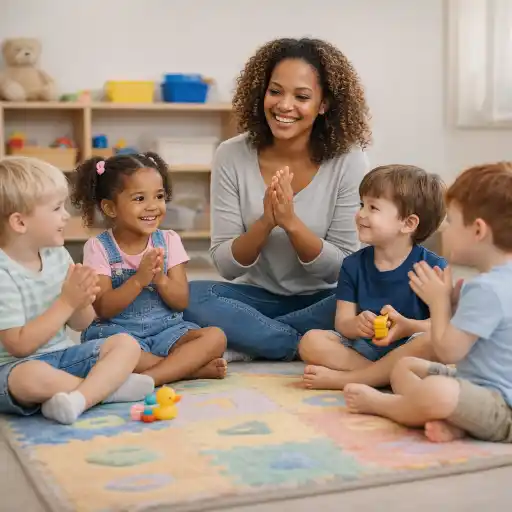
1) Family partnerships matter. Share one simple activity families can do at home (read a feelings book, practice a calm breath). Try these steps:
- 📞 Contact families early and often: quick notes, photos, or a weekly tip.
- 💬 Offer brief workshops or handouts. Use ChildCareEd family resources and training pages (ChildCareEd SEL resources).
- 📝 Use screening tools to spot kids who need more support. See the ECMHC screening guide for choices (CECMHC screening tools).
2) When to bring in mental health consultants: frequent big meltdowns, hurting others, or no response to classroom supports — team with specialists and use referral steps (see RAND and ECMHC links).
3) Plan for sustainability: put SEL in your mission, schedule coaching time, and budget for training. Programs that pair curriculum with coaching show stronger and steadier results (see PEDALS findings).
How do we support children with trauma or challenging behavior and avoid common mistakes?
1) Use trauma-informed practices: focus on predictable routines, safety, and trustworthy adults. ChildCareEd explains trauma-aware steps and calming strategies (Why Trauma-Informed Care).
2) Quick actions teachers can use now:
- 🛟 Stay calm, get to child level, and use simple choices.
- 🧭 Use visual schedules and warnings before transitions.
- 🤝 Build one-on-one trust with short, regular check-ins.
3) Common mistakes and how to avoid them:
- ❌ Only respond to behavior → ✅ Teach and practice the missing skill ahead of time.
- ❌ One-off training for staff → ✅ Provide ongoing coaching and peer support (research like RAND shows coaching helps).
- ❌ Not involving families → ✅ Share one home tip and ask about home routines.
4) Use screening and data. If tools (like ASQ:SE or DECA) show concerns, make referrals early. Helpful tool lists are at CECMHC and assessment pages like Pearson.
Practical steps to try this week:
- 😊 Add a 2-minute morning check-in for arrivals.
- 📚 Read one feelings book and ask, “How is that person feeling?”
- 🧘 Practice one calm breath tool during circle time.
- 🗣️ Send one simple tip to families about naming feelings.
Quick FAQ
- Q: How much time does SEL take? A: Tiny daily steps (2–5 minutes) work best.
- Q: What if a child has trauma? A: Use trauma-informed routines and partner with mental health consultants.
- Q: Which screening tools to use? A: See the ECMHC guide for good choices (CECMHC).
- Q: How do we keep staff practicing SEL? A: Provide coaching, time to plan, and celebrate small wins.
Conclusion
1) SEL in early childhood is doable and powerful. Short, warm routines and repeated practice teach children lifelong skills. 2) Pair classroom moves (greetings, stories, calm tools) with family partnership and screening to support children who need more help. 3) Use trauma-informed approaches for children with big needs. For lesson plans, calm-down posters, and trainings, visit ChildCareEd resources like Emotions in Motion and the SEL trainings page (Brighter Futures  Buy Now $16.00).
Your steady, kind work matters. Small, consistent steps from caring adults make big differences for young #children learning #SEL and #emotions in the #classroom with thoughtful #teachers.
1) SEL means teaching children skills to: identify feelings, manage strong feelings, get along with others, and make good choices. Young children learn these skills best when adults show them with kind words, short practice, and clear routines. See the ChildCareEd overview for classroom ideas: How to Support Social and Emotional Learning in the Classroom.1) Start small. Short, regular moves add up. Try 2–5 minute routines that are easy to repeat.- 45 Hour Child Growth and Development
- You're Not My Friend Anymore: Learning Conflict Resolution
- CDA Home Visitor Subject Area 3 Part 3 Birth to 5
- Bienvenido! Welcoming All Families
- CDA Family Child Care Credential with Portfolio Review
- CDA Bridge Bundle: Family Child Care without Portfolio Review
- CDA Bridge Bundle: Infant/Toddler without Portfolio Review
- CDA Bridge Bundle: Preschool without Portfolio Review
- Texas Director Credential
- Celebrating International Women's Day
- The Montessori Advantage in Early Childhood
- Building Social Foundations
- The Family Day Care Chronicles: Tales of Laughter, Learning, and Unexpected Adventures
- Frosty Fun: Trauma-Informed Play for Resilient Young Learners
- CDA Certification en Español: Recursos y Consejos para Educadores Bilingües
- Normas de Licenciamiento de Cuidado Infantil en Virginia para Centros Diurnos Infantiles y Hogares Diurnos Familiares
- Proporciones de Cuidado Infantil y Tamaños de Grupo por Edad en Virginia (Guía Rápida para Centros y Hogares)
- Cómo Trabajar en el Cuidado Infantil en Carolina del Norte: Requisitos y Pasos
- How Emotions Help Children Build Social Connections
- Canciones, juegos y preguntas de círculo para niños
- How can child care programs best support school-age children’s social and emotional development?
- Can we tame the ‘monsters’ of big emotions in young children?
- How Can Intergenerational Learning Between Children and Older Adults Improve Early Childhood Practice and Community Well‑Being?
- How can child care programs effectively support school-age children's social and emotional development?
- How Can You Create a Classroom That Teaches Kindness Without a Lesson Plan?
- Happy or Sad? Preschool Activities That Help Children Read Emotional Clues
- How Can Child Care Providers Teach Feelings to Preschoolers Through Simple Activities?
